
Last updated November 25, 2026
 Sweep & inspection
 Caps & crowns
 Flue relining
 Masonry repair
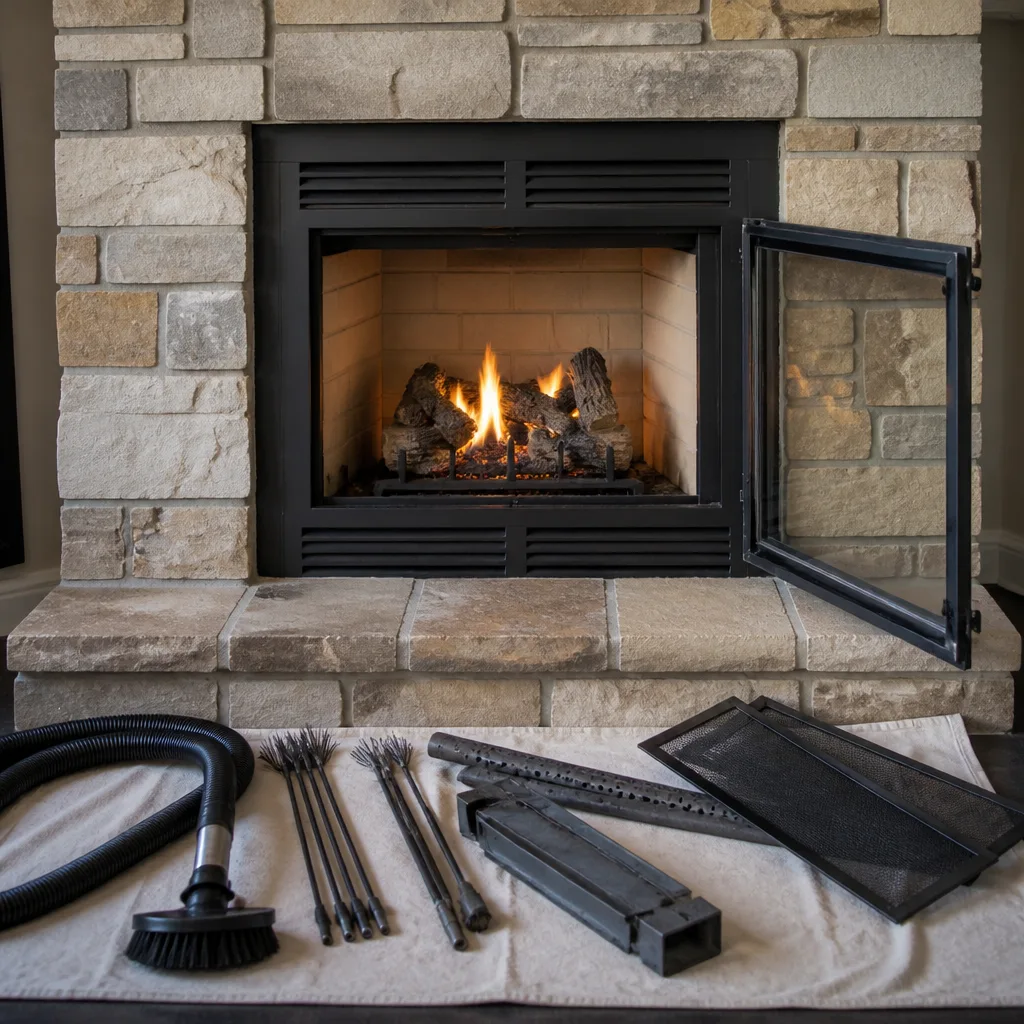 Gas fireplace service
Level 1 sweep and inspection to the NFPA 211 annual standard - flue, crown, cap, and flashing checked and photographed
Chimney sweep logs do not sweep chimneys. They loosen some creosote - which then falls where a brush and vacuum still have to collect it.
Chimney Cleaning Cost Breakdown: The Sandy Homeowner’s Reference for 2026
Two quotes land in your inbox for a chimney cleaning in Sandy. One says $79. The other says $299. It’s tempting to assume one of them is playing games with you. Usually, neither is. The two numbers are describing different scopes of work: a quick brush-out of a firebox versus a measured, diagnostic sweep of the full flue with documentation at the end. The confusion isn’t about price at all. It’s about vocabulary. “Chimney cleaning” gets used for a twenty-minute task and for a multi-hour one, and most homeowners are never told which their chimney actually needs. This reference walks through what each tier includes, what drives the cost up or down in Sandy specifically, and how to read an estimate so you can tell a legitimate finding from an upsell.
Styles & brands we work with
- Sweep & inspection
- Caps & crowns
- Flue relining
- Masonry repair
- Gas fireplace service
Quick Answer
A standard chimney sweep in Sandy typically runs $150 to $275, depending on chimney height, flue configuration, and how much creosote has built up. A Level 1 inspection usually adds $75 to $150, a Level 2 camera inspection adds $200 to $400, and common repairs like a crown reseal or cap installation run $200 to $650. The written estimate you receive after an on-site look is the real number for your house.
Table of Contents
- Why Sandy Chimney Cleaning Quotes Vary So Much
- What a Full-Service Sweep in Sandy Should Include
- Cost Variables in Sandy Homes: Height, Flue, and Appliance Type
- The Real Cost of Skipping a Cleaning
- Level 1 vs. Level 2 Inspection: What Each Adds
- How to Read a Written Estimate in Sandy
- When to Book and What to Expect
- Common Mistakes to Avoid
- When to Call a Professional
- Frequently Asked Questions
- The Bottom Line
Why Sandy Chimney Cleaning Quotes Vary So Much
The word “cleaning” hides four different jobs under one label. When a contractor quotes you $79, they may be quoting a brush sweep of a single-story masonry fireplace with easy roof access and light soot. When another quotes $299, they may be quoting a mid-terrace chimney with an offset flue, a wood stove insert that has to be disconnected to access the flue, and moderate creosote that requires a chemical treatment before brushing. Both contractors are being honest. The scope is what changed.
In Sandy, we run into this mismatch regularly. A lot of homes have a fireplace that’s been decorative for years and is now being brought back into service. Others have wood stove inserts installed in the nineties and never inspected since. Those two chimneys need very different visits, and the quote should reflect that.
Here’s the practical takeaway: when you get a chimney cleaning quote in Sandy, ask three questions before you compare it to another number.
- What does the sweep cover? Just the firebox, or the full flue up to the crown?
- Does it include an inspection? A bare sweep and a sweep with a Level 1 inspection are two different products.
- What’s not included? Ask specifically about caps, crown inspection, and whether creosote removal above soot stage is an add-on.
Once those answers are on the table, quotes start to line up with each other. If you’d rather skip the guesswork, call us at (855) 658-5256 and we’ll tell you plainly what a chimney sweep for your setup typically involves. We answer 24/7 and estimates are free.
What a Full-Service Sweep in Sandy Should Include
A true full-service sweep isn’t just a brush down the flue. Below is a line-item view of what a well-scoped sweep includes at each price tier, what’s typically bundled, and what deserves to be itemized separately.
Entry tier ($150 to $200)
- Drop cloths and floor protection at the firebox
- Manual brush sweep of the flue from the top or bottom, depending on access
- Grate and firebox cleanout
- Visual check of the firebox, damper, and smoke chamber
- Basic written note about anything flagged
Standard tier ($200 to $275)
- Everything in the entry tier
- Level 1 inspection included (visual check of accessible components)
- Creosote classification by stage so you know what you’re working with
- Cap and crown check from the roof, with photos if anything is questionable
- Written report you can keep for insurance or resale documentation
What belongs as a separate line item
- Chemical creosote treatment for glazed (stage 3) creosote, typically $150 to $400 depending on how much of the flue is affected
- Wood stove insert removal and reinstallation, typically $100 to $250
- Level 2 camera inspection, typically $200 to $400
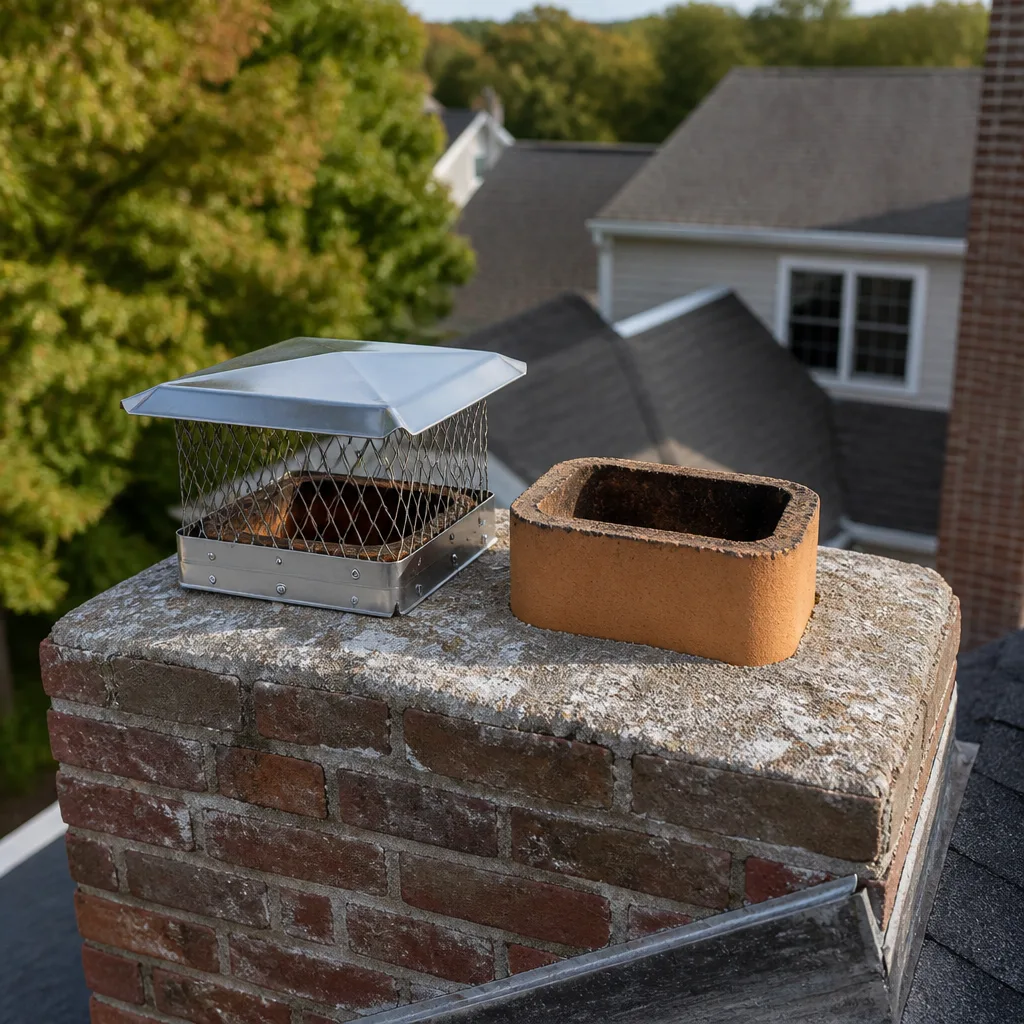
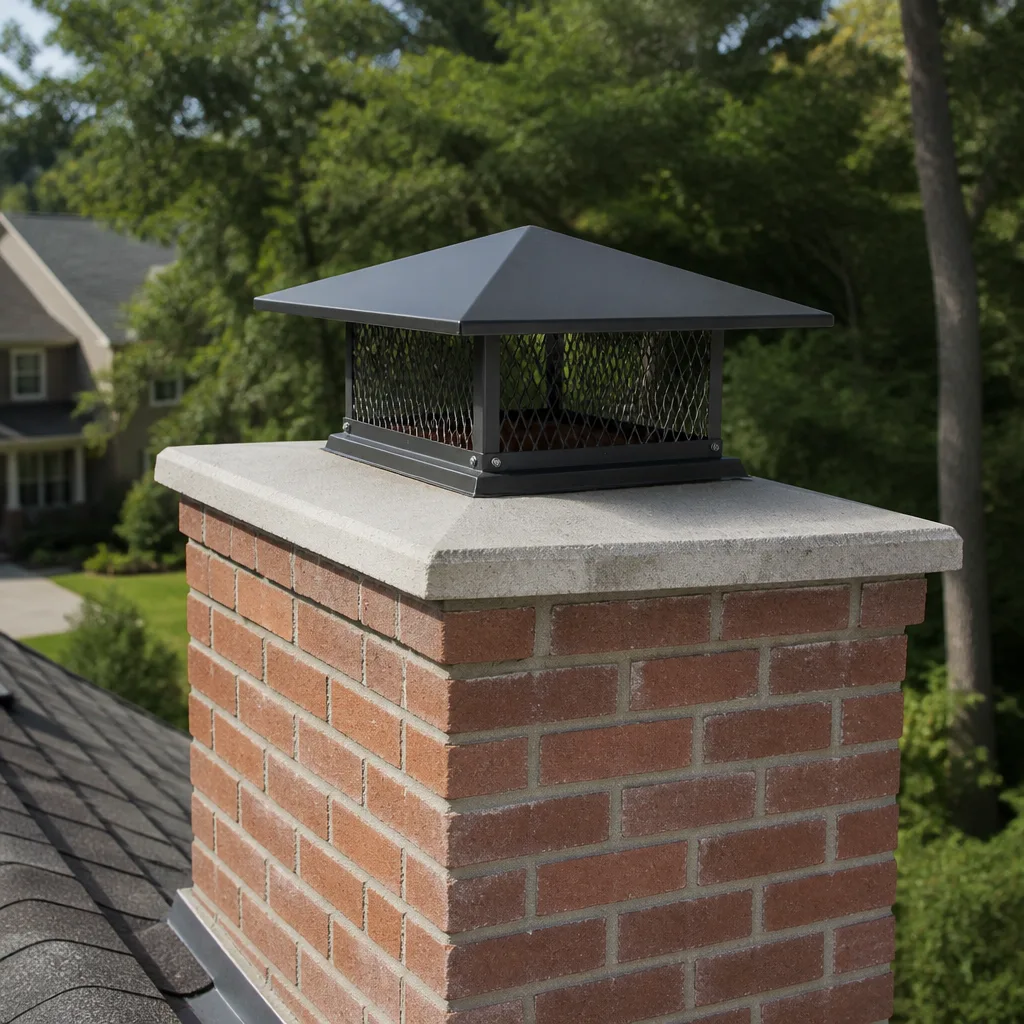
- Cap installation or crown repair, typically $250 to $650 using Famco and Copperfield components
If a sweep quote shows up bundled with a “free inspection” and a list of repairs you didn’t ask about, slow down. That’s the reverse of how it should work. The sweep should lead to information, not to a sales pitch. And if it does point to a repair, the components should be named in the estimate, so you can look them up and see what’s being installed on your house.
Cost Variables in Sandy Homes: Height, Flue, and Appliance Type
Not all chimneys take the same time to clean. In Sandy, four factors show up again and again that push the job one direction or the other.
Chimney height
Multi-story homes and chimneys that rise well above the roofline take longer to access and sometimes need equipment staged differently. A one-story fireplace chimney might sweep in 45 minutes. A two-story chimney with a steep pitch around it can take twice that.
Offset flues
An offset flue has a jog in it, usually at a smoke chamber or a mid-run bend where the original builder routed around an obstruction. Offsets are common in mid-century Sandy homes and in additions where a chimney was tucked against an existing wall. They force a more careful sweep because a straight brush can’t just drop through. They also make a camera inspection genuinely useful rather than decorative, since the offset is where debris and creosote collect.
Wood stove inserts vs. open fireplaces
An insert usually has to come out, or at least have its flue connection broken, before the flue can be swept properly. That’s real labor time and it’s why insert sweeps cost more. Open fireplaces are more direct: the firebox is accessible from the room and the flue can be swept through it.
North Utah’s heating season
Sandy gets cold enough that most households burn heavily from late fall into early spring. That’s a longer creosote-accumulating window than in milder parts of the country, which is why our technicians often find a full season’s worth of buildup by the time a homeowner books. Our technicians have up to 9 years of experience and know what to expect from a Sandy chimney depending on how much the household actually burns.
Every one of these variables gets folded into the written estimate. Nothing is decided on the roof with a clipboard. We inspect it, we explain it, we fix it right.
The Real Cost of Skipping a Cleaning
The temptation to skip a year is honest. If the fireplace worked fine last winter and you only burned on weekends, why pay for a sweep? Here’s a straight cost comparison, without scare tactics.
Routine cleaning runs $150 to $275. Deferred cleaning has a different cost arc depending on what the creosote load is doing.
- Light soot, one missed season: you’re still paying the same cleaning price. No meaningful penalty. This is why a homeowner with a lightly-used fireplace can often wait a year and be fine.
- Moderate creosote (stage 2): the sweep now needs chemical treatment before brushing, which adds roughly $150 to $400. That’s a 2x bump for the same chimney in the same shape, caused only by waiting.
- Glazed creosote (stage 3): this is where repairs start to enter the picture. Glazed creosote is harder to remove and can damage a clay tile liner over time. Restoration work in this scenario often runs $800 to $2,500, depending on how much of the flue needs attention.
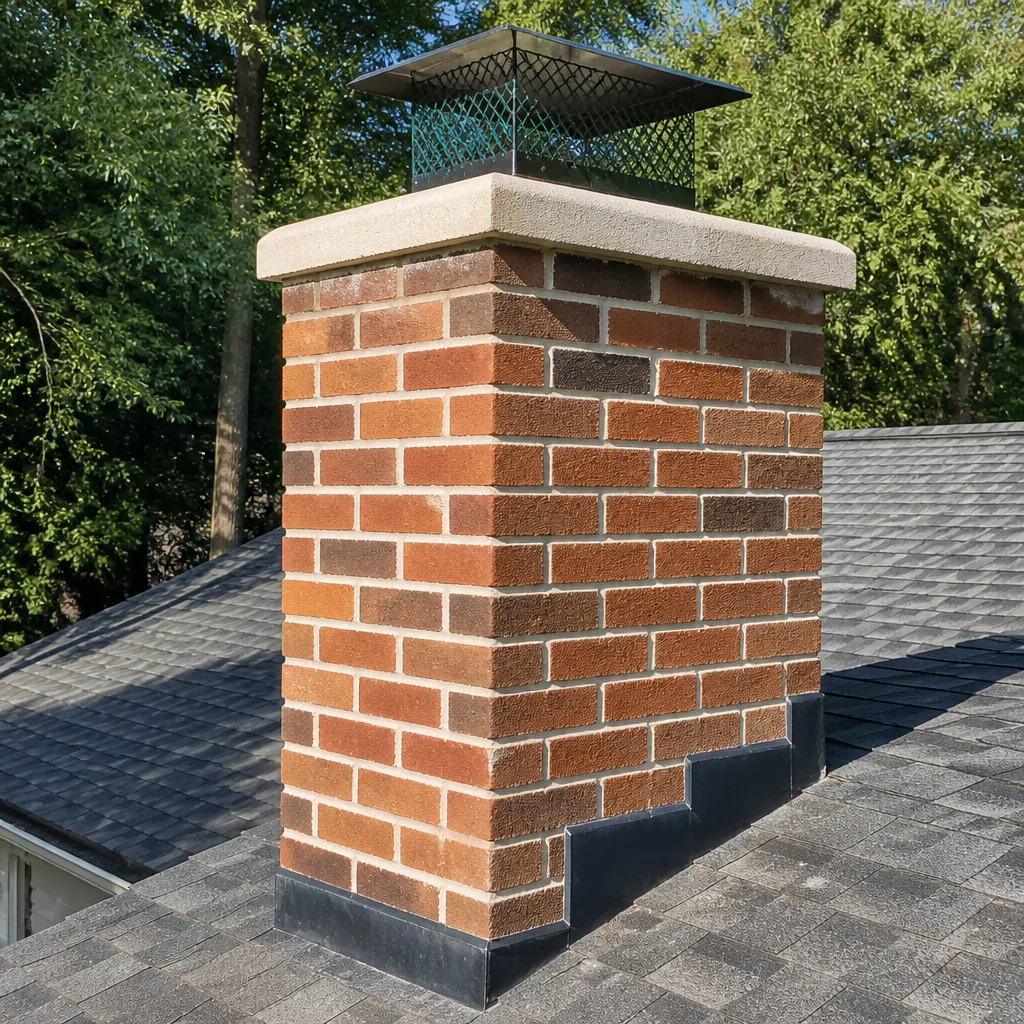
- Cracked crown or missing cap: water gets in and freeze-thaw cycles in a Sandy winter make small cracks grow. What was a $250 crown reseal can turn into masonry repair if it’s left long enough.
None of this is a prediction about your chimney. It’s the shape of the cost curve. The honest answer to “should I skip this year?” is: it depends on the creosote stage, and the only way to know is to check. A chimney inspection is a formal, standalone service for exactly this reason. You get information before the next fire, not after the problem has grown.
Level 1 vs. Level 2 Inspection: What Each Adds
Inspection levels come from a standard reference used across the chimney trade. The three levels aren’t quality tiers; they’re scopes of access. Here’s what each means in practice for a Sandy homeowner.
Level 1 inspection ($75 to $150 as an add-on)
A visual check of everything reachable without special tools. The firebox, damper, smoke chamber, accessible flue portions, and the chimney exterior at the roofline. This is what’s usually bundled with a routine sweep, and it’s the right level for a chimney that’s been maintained and is used routinely.
Level 2 inspection ($200 to $400)
Adds a camera run through the full flue length, plus access to areas that a Level 1 can’t see. Offsets, flue tile joints, and the top of the smoke chamber. This is the appropriate level in several common Sandy scenarios:
- You’ve just purchased the home and don’t know its chimney history
- You’re switching fuel types, or reactivating a fireplace that’s been out of use
- You’ve had a chimney fire, even a small one
- You’re seeing symptoms like smoke in the room, draft problems, or water stains
- An insert was installed and you have no record of the liner condition
Why the camera matters
A visual level 1 can look fine from the firebox and still miss a cracked flue tile behind an offset. The camera is the difference between “probably fine” and “we saw it.” That’s also why the report matters: with photos and a written summary, you have documentation you can hand to an insurer or a real estate agent, instead of a verbal “looks good to me.” We offer formal inspections as their own service for exactly that reason.
How to Read a Written Estimate in Sandy
A written estimate is a small document with a lot of signal in it. Here’s a numbered walkthrough of what a good one looks like, so you can judge what’s in front of you.
- Scope of work stated in plain language. Not “chimney service,” but “sweep flue from crown to firebox, 22 feet, 6-inch flue, existing cap inspected and photographed.”
- Materials named by brand and spec. If a repair is part of the estimate, the components should be identified. A metal cap from Famco or Copperfield is a specific product. “Cap install” is not. Named materials mean you can check them.
- Labor hours laid out. Not always required, but a real estimate will typically show estimated time for a multi-part job. If the estimate is one line item for a whole array of work, ask what each piece costs.
- Warranty terms in writing. How long, covering what, and who honors it. This should be on the estimate, not explained verbally.
- What’s excluded. Every estimate should say what isn’t included. If you don’t see that section, ask for it.
- The written estimate is the final price. Nothing gets added without your approval on a revised estimate. If a contractor finds something mid-job and wants to add work, they should stop, show you the evidence, and quote the addition in writing.
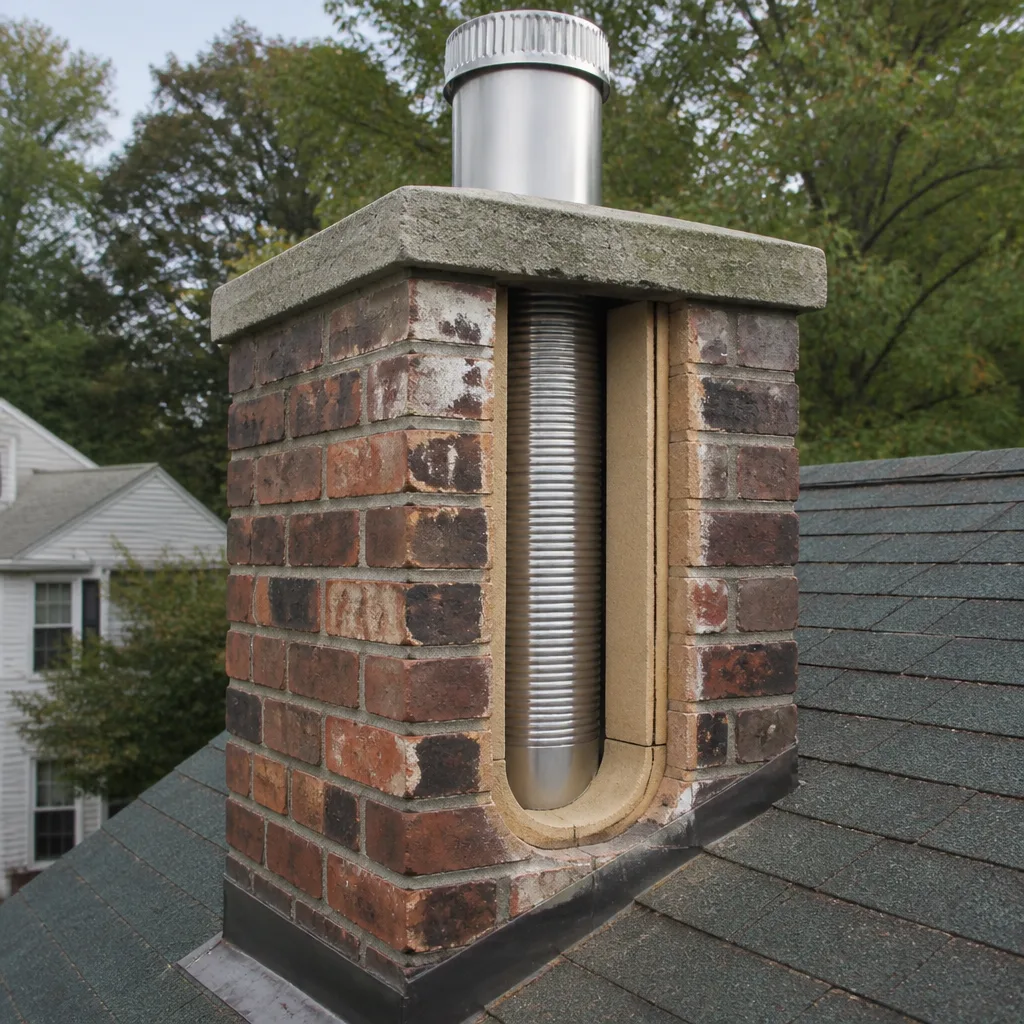
If a repair is recommended using HeatShield ceramic resurfacing to restore a damaged liner, the estimate should say so and note the qualifying conditions. That’s an alternative to full relining in some cases, though not all, and a good estimate will tell you which camp your chimney is in rather than just listing the most expensive option.
When to Book and What to Expect
The best time to book a sweep in Sandy is before the first fire of the season, not after the first week of heavy burning. Early fall is the sweet spot: the chimney is at its quietest, creosote from last year is fully settled, and any repairs can be planned with breathing room.
Here’s how a typical visit goes, in order:
- You call and describe the setup. Type of appliance, roughly how often it’s used, and whether the chimney has ever been inspected.
- We schedule the sweep. Fast dispatch, 7am-7pm, Sunday through Friday. We’re closed on Saturday.
- On arrival, floor protection goes down first. Drop cloths at the firebox before anything else.
- The sweep runs. Brush down the flue, cleanout of the firebox and smoke shelf, and a check of the cap and crown from the roof if access allows.
- Inspection findings explained in plain language. Creosote stage, any concerns, and what the options are. You get a written report.
- Estimate for any recommended work. In writing. You decide whether to book it.
Nothing is recommended without a reason you can see for yourself, whether that’s a photo, a camera run, or an explanation of what the technician observed. And if something can wait a season, we say so. We’d rather you trust the next recommendation than book a repair you didn’t need.
A high-tension component inside any fireplace chimney is the damper and the flue, but the truly dangerous parts of a chimney system are the high-temperature components above the firebox and the roof-level structure. Never lean into a flue to inspect or clear it yourself, and never attempt cap or crown work on a pitched roof without fall protection. Those are jobs for a trained professional with the right equipment.
If you’re also looking at the firebox itself, or the firebox surround, that’s a separate scope handled by fireplace repair, and it’s reasonable to have both looked at on the same visit to save an assessment trip.
Common Mistakes to Avoid
- Comparing quotes without comparing scope. A $79 sweep and a $299 sweep aren’t the same product. Ask what’s included before deciding one is overpriced. Two sentences of comparison often close the gap entirely.
- Trusting a “free inspection” that comes with a repair list. A free inspection is often a lead-gen visit with a sales goal. A paid inspection is information. In Sandy, the second one is what you actually want when you’re trying to understand a chimney.
- Booking a sweep without a cap. If your chimney has no cap, birds and rain get in. A missing cap is one of the most common reasons for premature liner wear, and it’s a $250 to $450 fix.
- Cleaning only the firebox and calling it done. The flue is where the creosote actually lives. A firebox-only pass isn’t a sweep, no matter what the receipt says.
- Waiting for symptoms. Smoke in the room or a draft problem usually means the issue has already developed. The cost comparison for catch-and-clean versus catch-after-repair is lopsided. Sweep on a schedule, not on a symptom.
- Assuming an insert is fine because the fire draws. Draw is about draft, not liner condition. A wood stove insert can draw beautifully while its liner is degrading behind an offset. Only a camera or liner inspection tells you the real story.
- Skipping a wood stove inspection because “it was fine last year.” Creosote accumulates over a season. A clean chimney last spring is not a clean chimney this fall.
When to Call a Professional
Some chimney situations are DIY-friendly only in the sense that you can reasonably clean the firebox and hearth yourself. Anything involving the flue, the damper, the cap, or the crown is a professional job, and here’s why. The flue is a high-temperature path with confined access and, in older clay-tile chimneys, structural sensitivity. Brushing the wrong way, or hitting a tile with the wrong tool, does damage that requires liner work to repair. And roof-level access on a pitched Sandy roof is a fall-risk scenario.
Call a professional when you see any of the following:
- You haven’t had the chimney swept or inspected in two or more seasons
- You’re reactivating a fireplace that hasn’t been used in a year or more
- You’ve had a chimney fire, even a brief one
- Smoke is coming into the room when you burn
- You notice water stains on the ceiling near the chimney or on the firebox brick
- Your chimney has no cap, or the cap is loose or damaged
- You’re buying a home and don’t know the chimney’s history
Sandy Chimney Sweep offers free estimates in Sandy – call (855) 658-5256. We answer 24/7. A call outside dispatch hours is booked into the next opening, Sunday through Friday, 7am to 7pm. Every job starts with an inspection and a written price.
Frequently Asked Questions
A standard sweep in Sandy runs $150 to $275, depending on chimney height, flue configuration, and creosote load. A sweep bundled with a Level 1 inspection is typically $200 to $275. Add-ons like chemical creosote treatment or insert removal push the total higher, and the written estimate after an on-site look sets the final price. Call (855) 658-5256 for an exact quote – estimates are free.
Not always, and that’s the honest answer. A camera inspection is what tells you. In qualifying chimneys, HeatShield ceramic resurfacing can restore a damaged liner without full relining, and that’s a much lower cost. When a full reline is needed, it’s usually because the flue has lost structural integrity, not just surface damage. Ask for the camera evidence before approving either. Call (855) 658-5256 and we’ll show you what the inspection found.
Annually is the general standard, and Sandy’s long heating season makes that a useful baseline rather than a minimum. Homes that burn heavily, or use a wood stove insert as primary heat, may benefit from a mid-season check. Homes that burn a handful of fires a year may stretch that slightly, provided the flue is still clear. Call (855) 658-5256 if you’re unsure whether you’re due.
Creosote accumulates without you tracking it. Light soot becomes moderate creosote, moderate becomes glazed, and the cleaning itself goes from a standard sweep to a chemical treatment plus a sweep. The chimney doesn’t fail overnight from one skipped season. The concern is the run of skipped seasons, because that’s when a $200 sweep becomes an $800 to $2,500 restoration. Call (855) 658-5256 to get the current state checked – estimates are free.
Yes, usually. Height adds access time and sometimes requires different equipment staging. A two-story chimney with a steep-pitched roof around it takes meaningfully longer than a single-story fireplace with easy roof access, and that labor time is reflected in the estimate. Offset flues add another degree of complexity on top of that. Call (855) 658-5256 with the details of your setup and we can tell you what to expect.
Yes, when the inspection is done as a formal service rather than a quick look-alongside-a-sweep. We provide written documentation, including photos where relevant, that you can reference for insurance, real estate, or ongoing maintenance planning. Ask for it by name when you book: a documented chimney inspection with findings, not a verbal summary. Call (855) 658-5256 to schedule one.
The Bottom Line
Chimney cleaning costs in Sandy aren’t arbitrary. They track scope: what’s swept, what’s inspected, what’s documented, and what the specific chimney demands. A standard sweep runs $150 to $275, a Level 1 inspection adds $75 to $150, a Level 2 camera inspection adds $200 to $400, and common repairs run $200 to $650 depending on materials. Deferred cleaning doesn’t save money – it just moves the cost to a later, larger repair. A written estimate names the materials, states the labor, and holds the final price. Sandy Chimney Sweep handles the full chimney lifecycle, from the firebox to the chimney cap & crown, using professional-grade components from DuraFlex and HeatShield where they’re the right fit. From the firebox to the crown, one specialist handles it all.
Ready to know exactly what you’re working with before the first fire of the season? Call (855) 658-5256 for a free estimate. We answer 24/7. Fast dispatch from 7am to 7pm, Sunday through Friday. Whether you’re reactivating an old fireplace or just due for the annual sweep, Sandy Chimney Sweep will inspect it, explain it, and fix it right. You’ll get a written estimate before any work begins, and nothing gets recommended without evidence you can see for yourself.
Written by the team at Sandy Chimney Sweep.
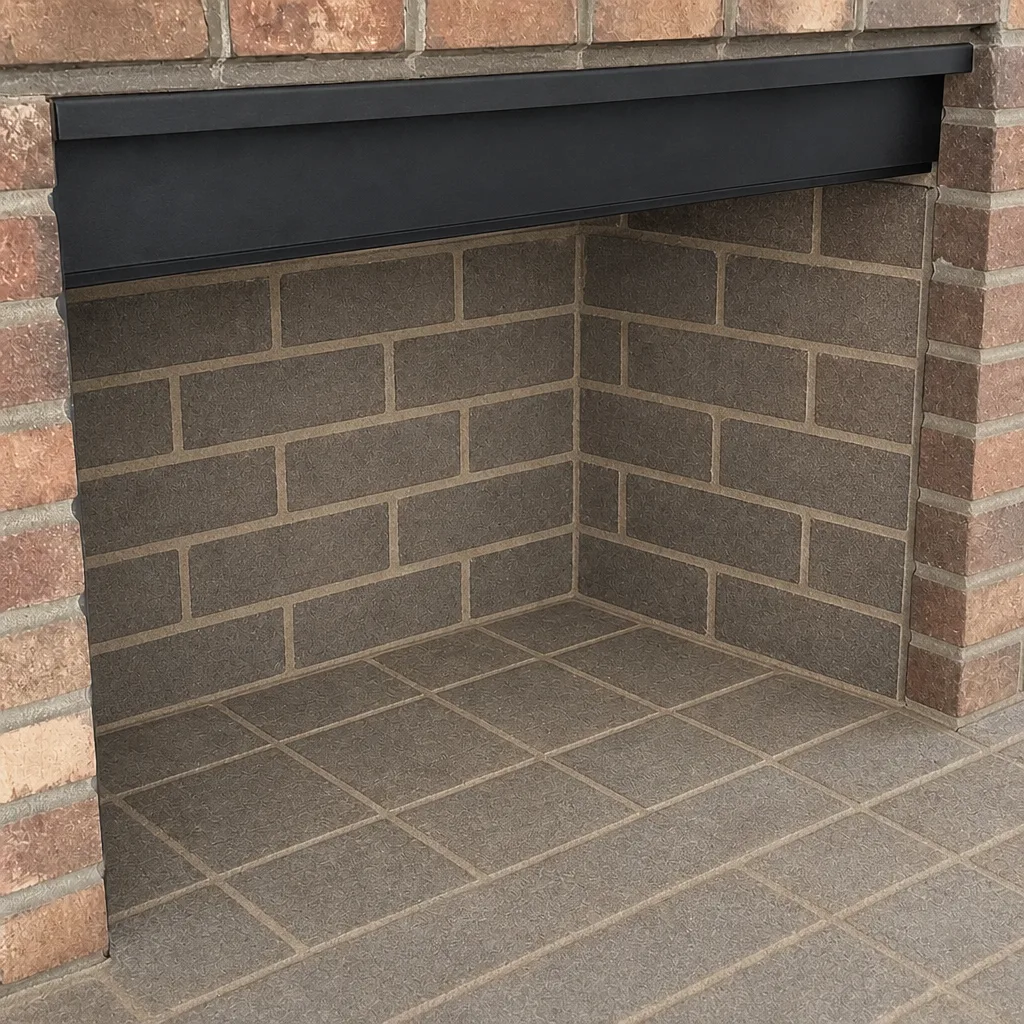
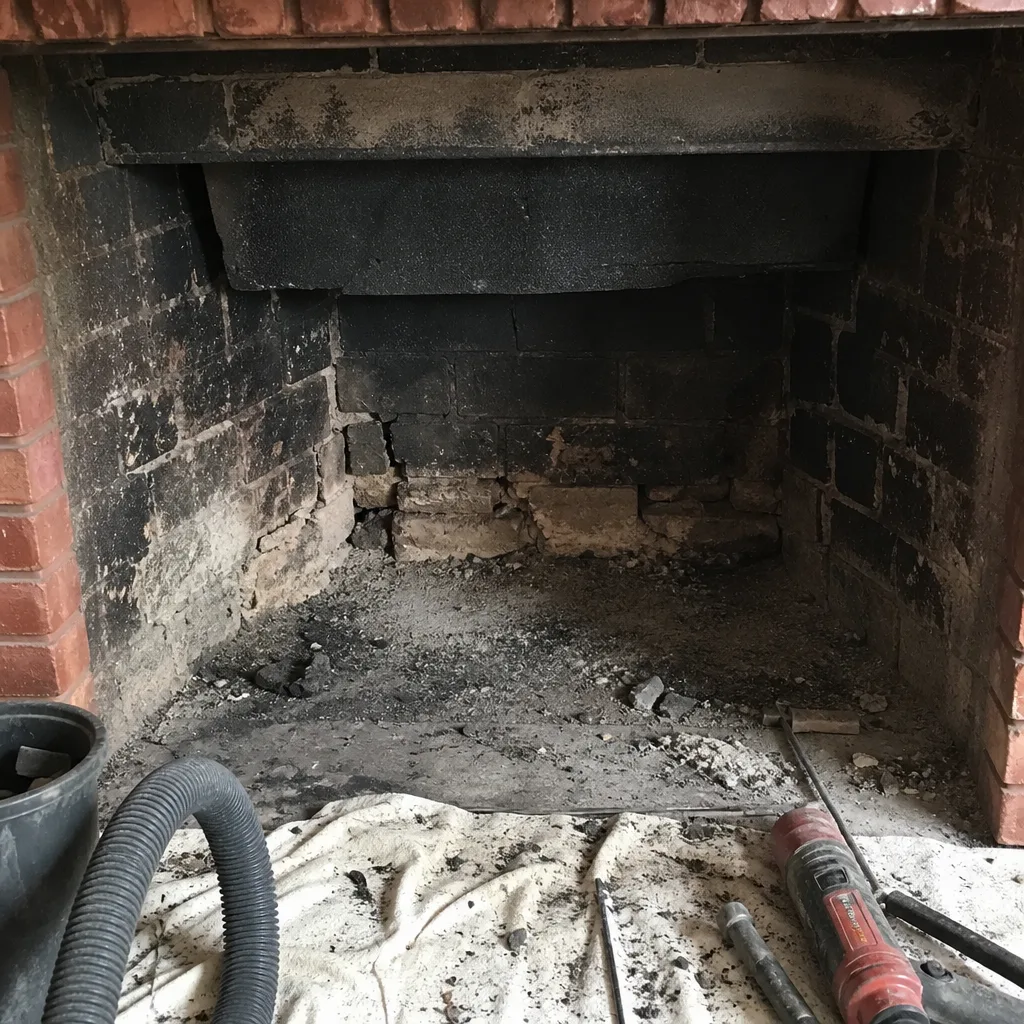
See the difference
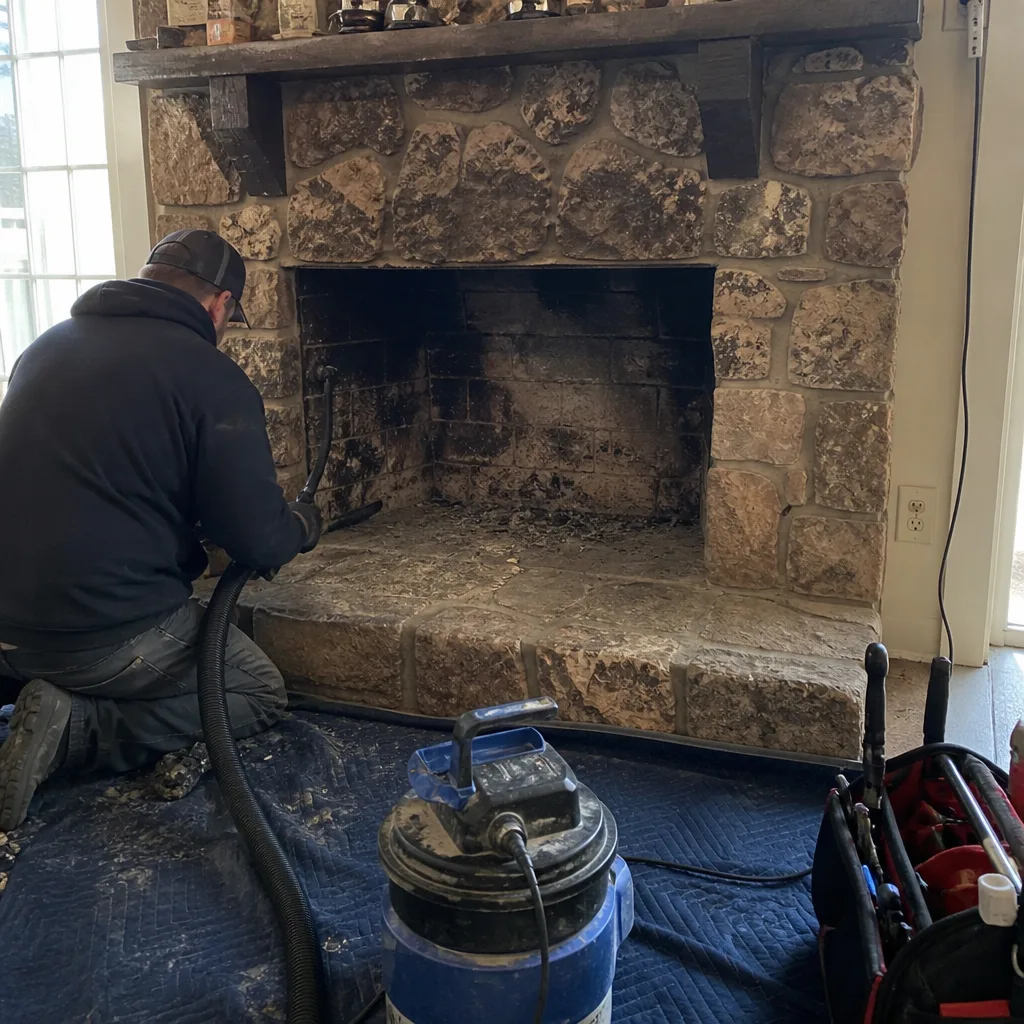 Before
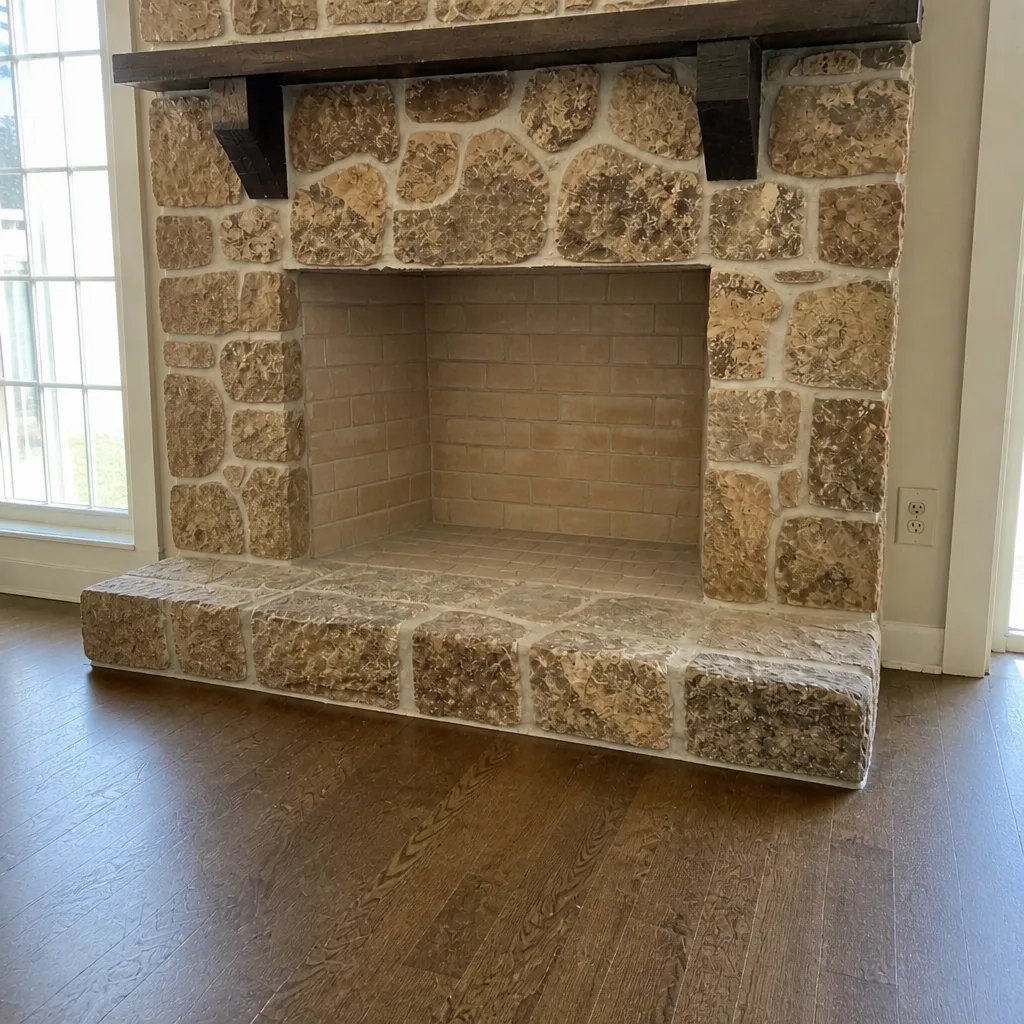 After
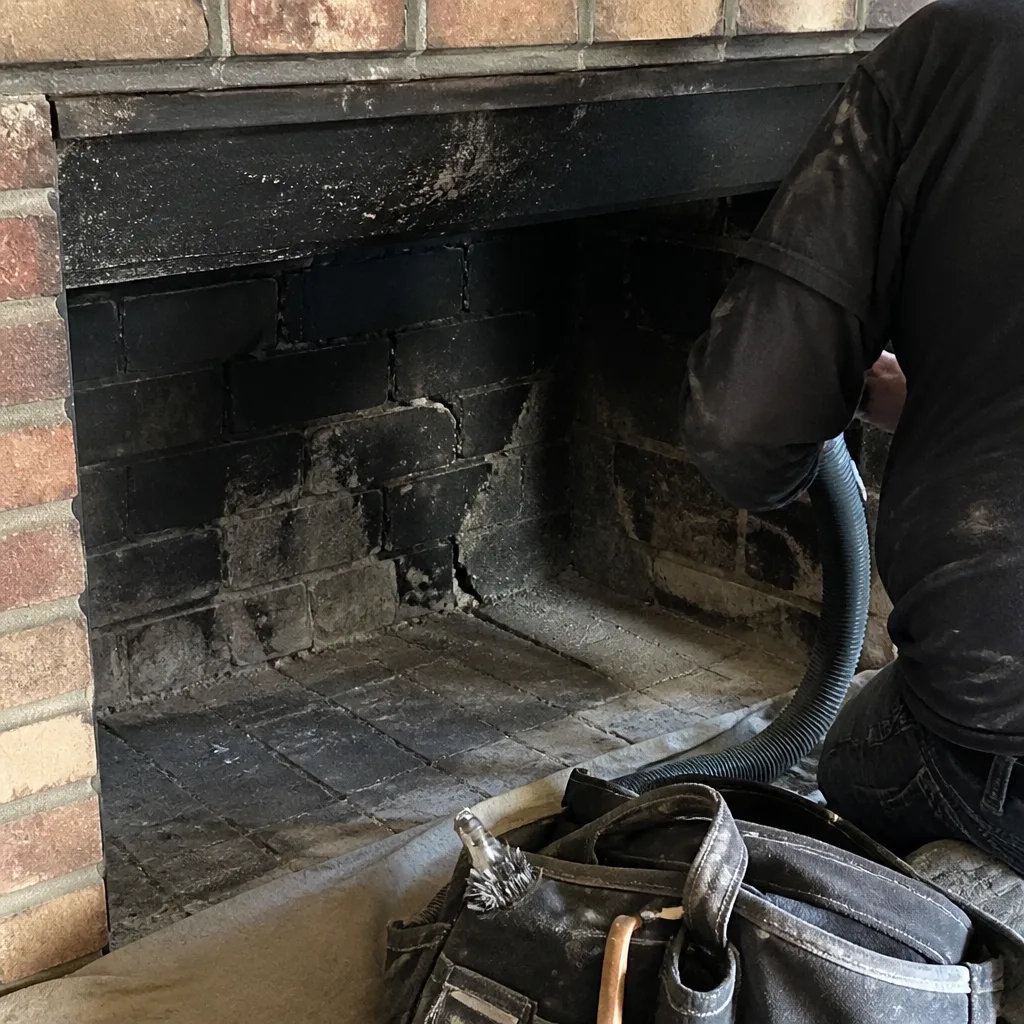 Before
 After
 Before
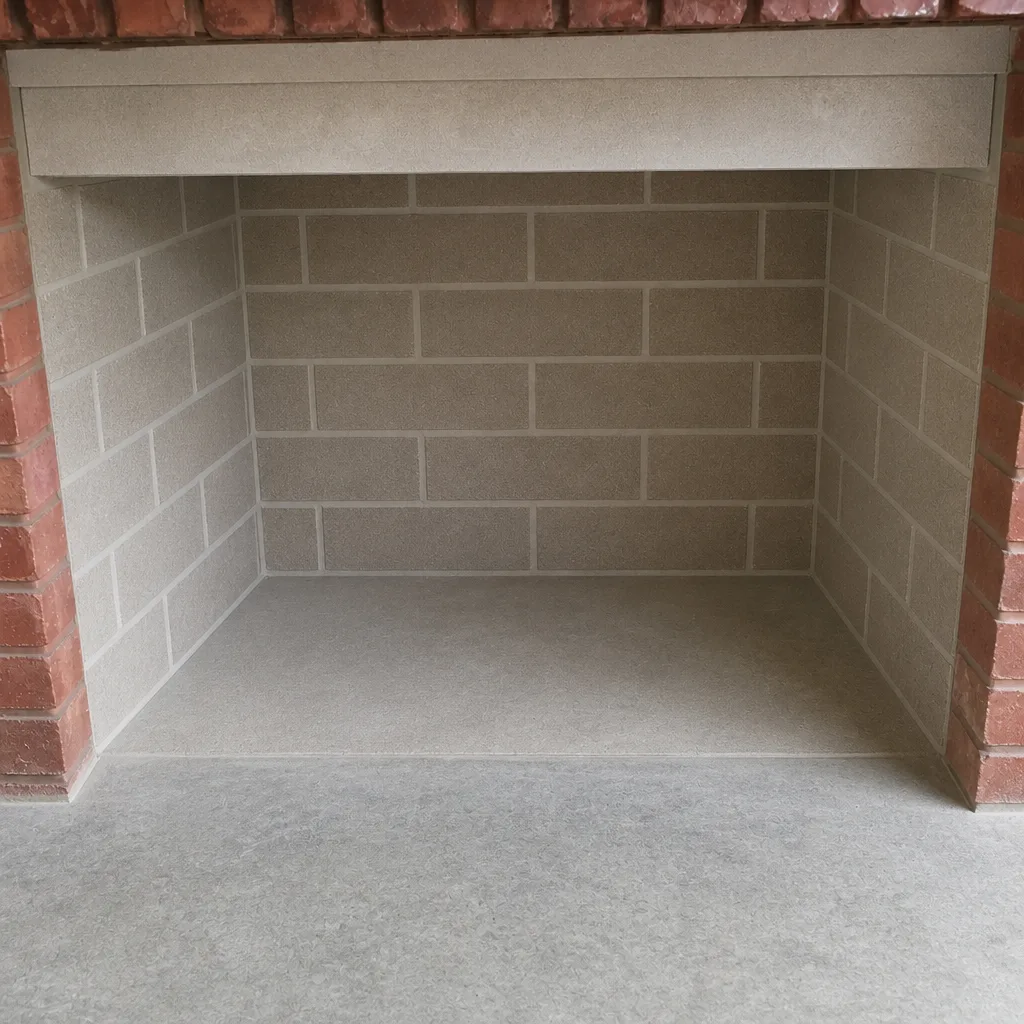 After