
Last updated November 25, 2026
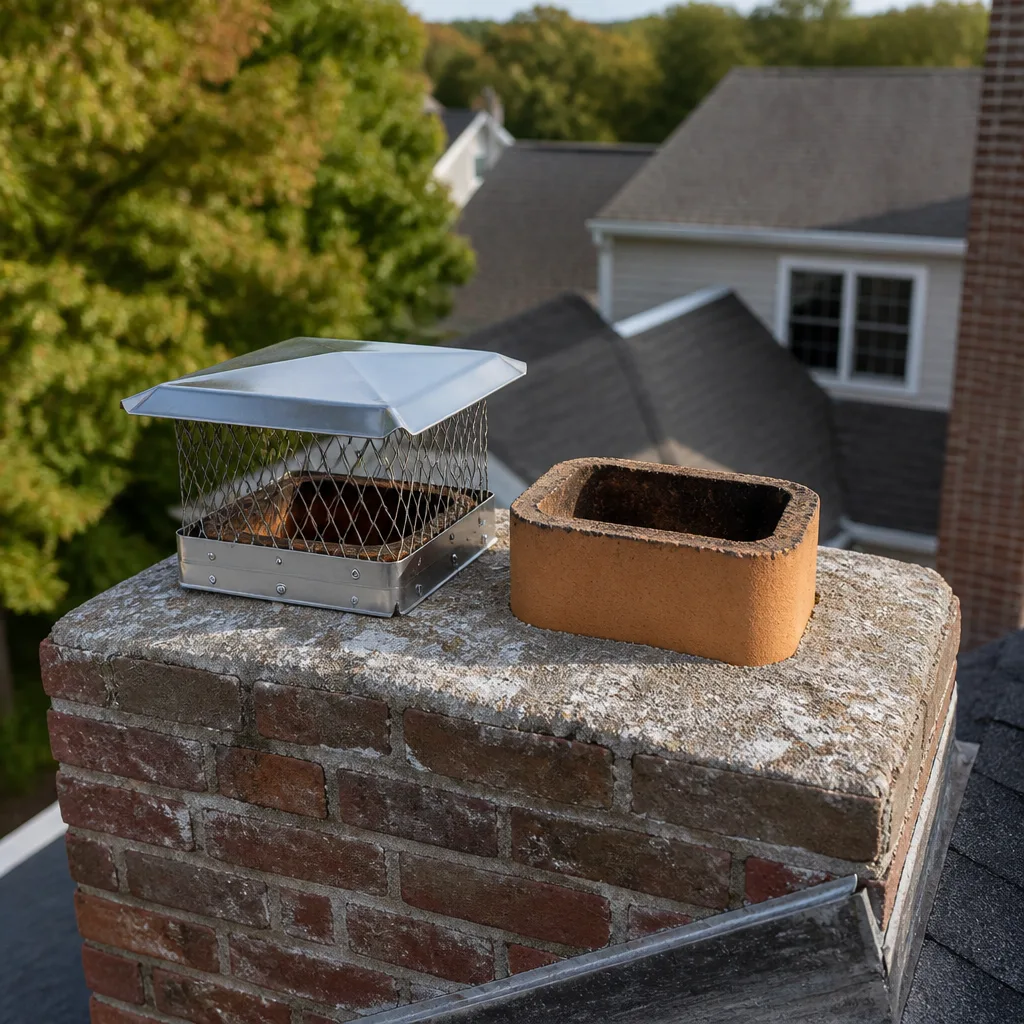 Sweep & inspection
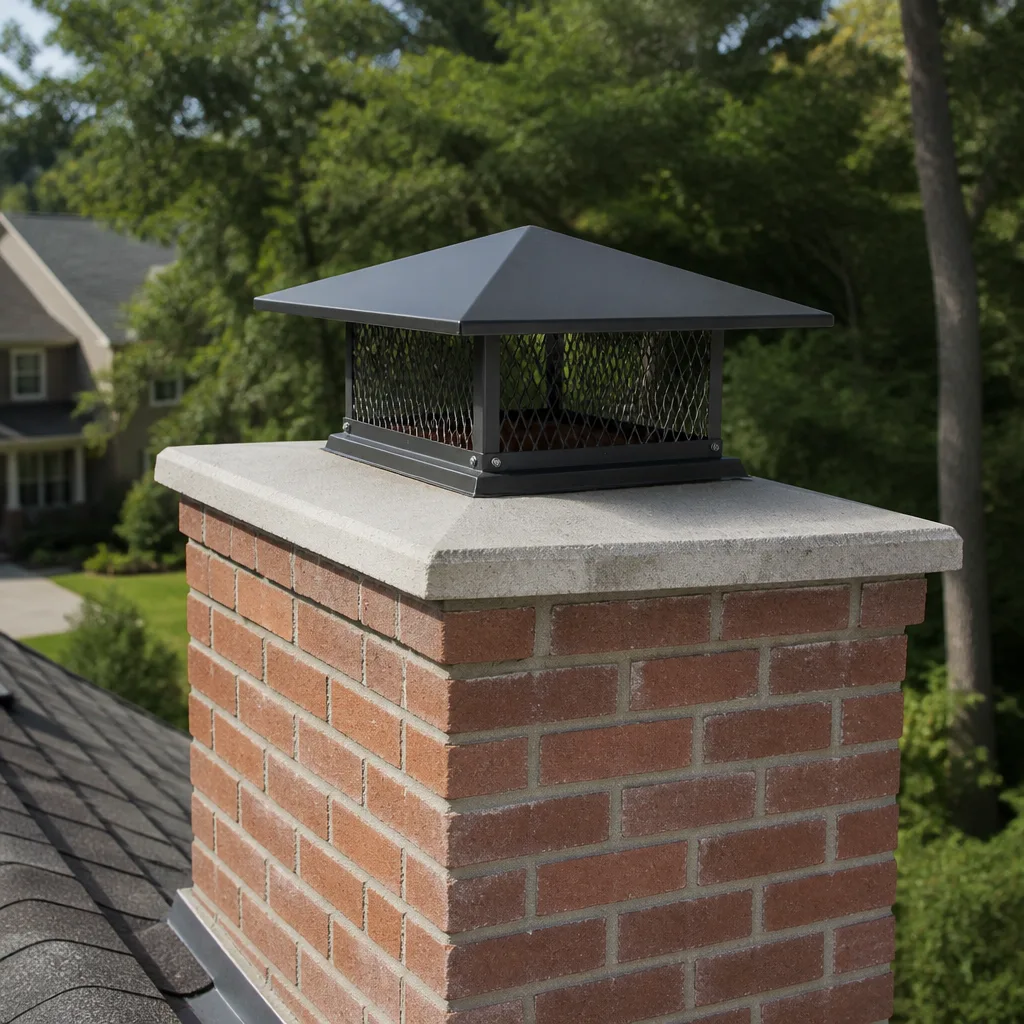 Caps & crowns
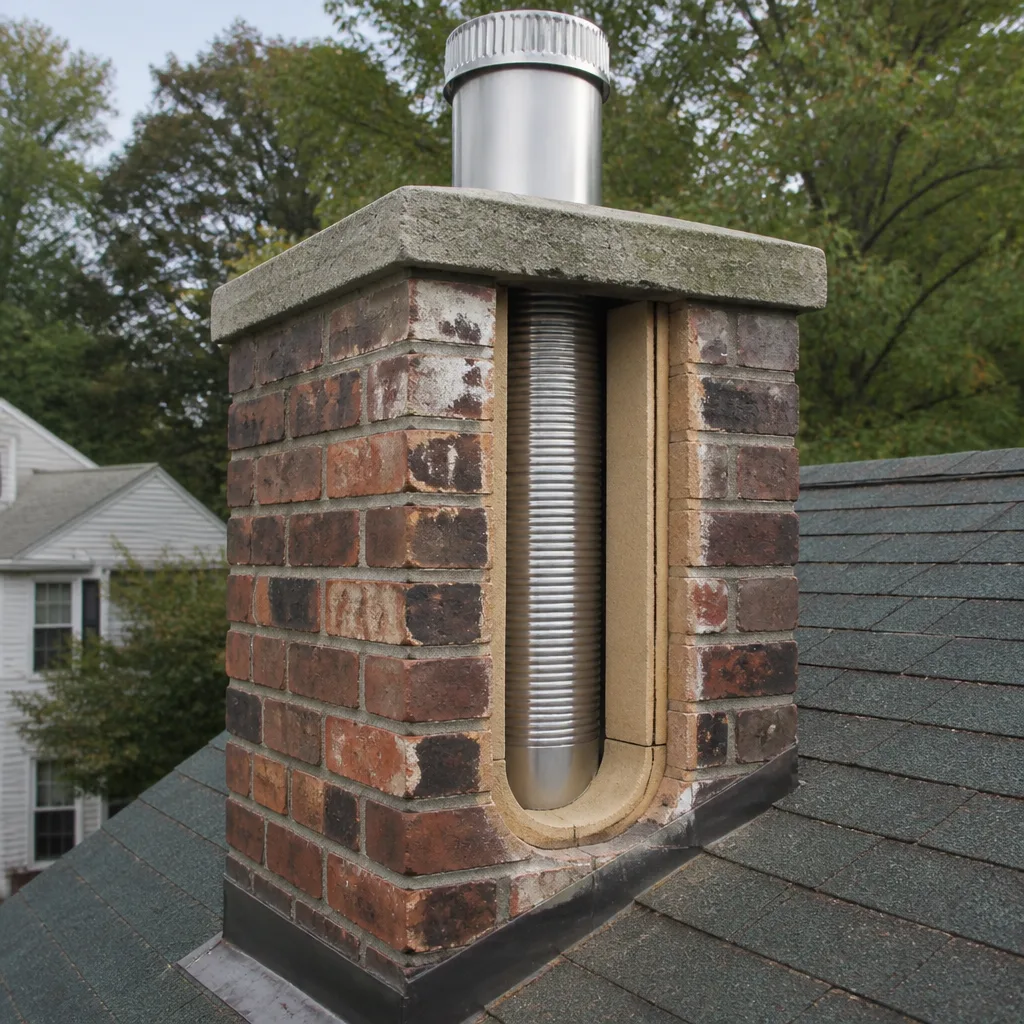 Flue relining
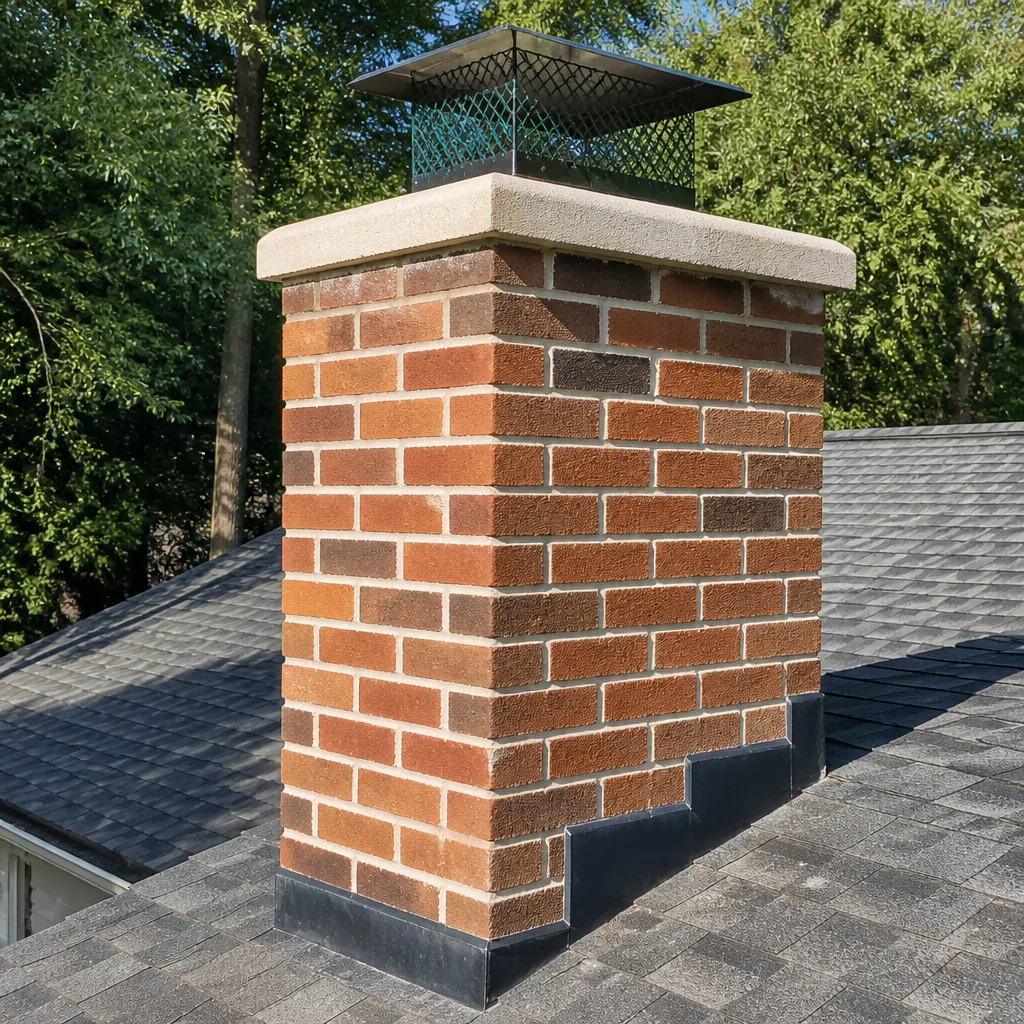 Masonry repair
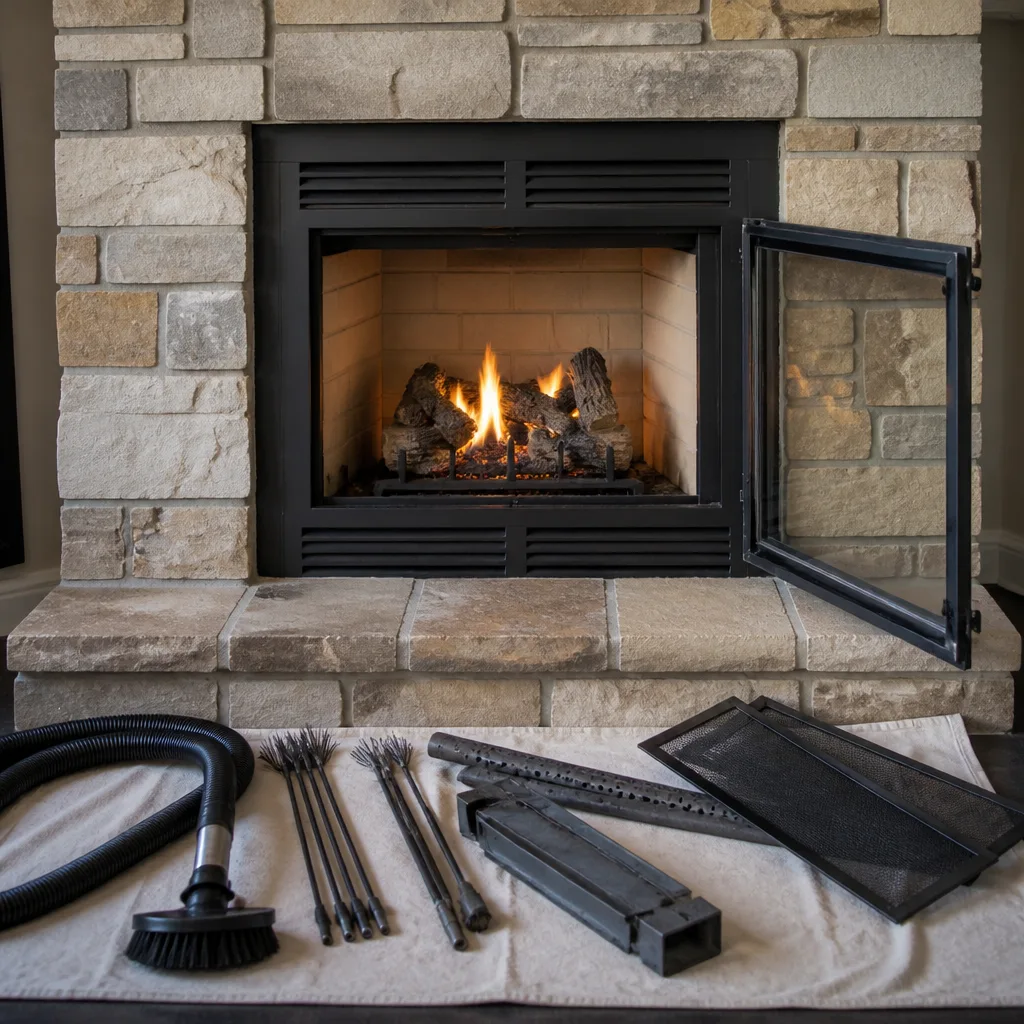 Gas fireplace service
Level 1 sweep and inspection to the NFPA 211 annual standard - flue, crown, cap, and flashing checked and photographed
Chimney sweep logs do not sweep chimneys. They loosen some creosote - which then falls where a brush and vacuum still have to collect it.
Chimney Cleaning Emergency Preparedness Guide for Sandy Homes
Most people picture a chimney fire as something loud and obvious, flames licking out the top, everyone running for the hose. The reality is quieter and far more dangerous. Many chimney fires burn hot and slow inside the flue with almost no visible sign from outside, and the homeowners who get hurt or lose a house are usually the ones who spent the first minute doing the wrong things first: grabbing a phone, running to the yard, hunting for water. No single action changes the outcome of a chimney fire more than closing the damper early, because it starves the fire of the oxygen it needs to spread. That first minute is what this guide is about. It’s written for Sandy homes, where cold winters and heavy fireplace use make the risk a real part of the season, and it covers what to do, in what order, before, during, and after a chimney fire event.
Quick Answer
Chimney fire preparedness in Sandy means knowing a fixed sequence of actions and rehearsing them before the first fire of the season. In a fire, close the damper and the glass doors first to cut off oxygen, get everyone out, then call 911. Never put water on a chimney fire. After any chimney fire, the chimney needs a Level 3 inspection before it’s used again, even if it looks fine from the outside.
Styles & brands we work with
- Sweep & inspection
- Caps & crowns
- Flue relining
- Masonry repair
- Gas fireplace service
Table of Contents
- The Chimney Fire Action Sequence: What to Do, In Order
- How to Tell a Chimney Fire from Normal Draft Noise
- Pre-Season Emergency Prep Checklist for Sandy Homes
- Why Glass Doors and Detector Placement Matter
- After the Fire: Why a Level 3 Inspection Comes Before Reuse
- Documenting a Chimney Fire for Insurance
- Carbon Monoxide: The Quieter Emergency
- Common Mistakes to Avoid
The Chimney Fire Action Sequence: What to Do, In Order
A chimney fire is a sequence problem, not a knowledge problem. Almost every homeowner knows the general idea. What’s missing is the order, and hesitation and wrong-order responses are exactly what turn a containable event into a structure fire. We’ve seen this pattern enough times to write the sequence down plainly, and it’s worth rehearsing with your household so nobody has to think it through in the moment.
Here is the protocol, in order:
- Close the damper. This is the single most important action. The damper is the plate above the firebox. Closing it cuts the air supply that feeds the fire inside the flue. If you have glass doors, close them too.
- Get everyone outside. Once the damper is closed, move every person out of the house. Account for pets. Do not stop to gather belongings.
- Call 911. Report that you have a chimney fire. Give your address clearly. The fire department would rather respond to a fire that’s already cooling than arrive late to one that spread into the framing.
- Stay out and stay reachable. Don’t re-enter to check. Leave the chimney alone and wait for the fire department.
Notice what’s not on the list: water. Never throw water into a hot firebox or flue. The thermal shock can crack firebrick, warp a metal liner, and send scalding steam back at you. What’s also not on the list is running outside first. That’s the mistake the opening of this guide warned about, and it costs the 60 to 90 seconds that matter most.
For Sandy households, one local wrinkle is worth flagging. Homes in the neighborhoods up toward the benches often have taller chimney runs because of the architecture and the grade, and taller flues draw harder. That stronger draft feeds a fire faster, which makes closing the damper early even more important. Rehearse the sequence once a season. It takes two minutes and it’s the most useful two minutes of chimney preparation you’ll spend.
How to Tell a Chimney Fire from Normal Draft Noise
A chimney fire is not the same as the normal sounds of a working fireplace. Normal draft noise is a steady, low whoosh or a gentle rumble that settles once the fire is burning cleanly. A chimney fire has a distinct signature, and it’s usually several signals at once rather than just one.
- A loud roaring or rumbling that sounds more like a freight train or a low-flying jet than a household fireplace. This is the most common way people describe it.
- Popping, cracking, or a rapid tapping sound, often compared to the noise of many small things lifting off. This is often creosote igniting in stages.
- Dense, dark smoke pouring from the chimney top, or a sudden change from light smoke to heavy smoke.
- A strong, hot, burning smell that’s sharper than normal wood smoke.
- Visible sparks or flames at the top of the chimney, or glowing at the cap.
- Warped or discolored metal on the chimney cap, damper, or stovepipe after the fact, which is a sign a fire burned hotter than the system was designed for.
Here’s where Sandy’s climate earns a mention. Cold, dry winters and the long burning season mean creosote builds up faster than many homeowners expect, especially when wood is burned green or the fire is routinely run low and smoldering. Creosote is the fuel a chimney fire feeds on, and the difference between a small flare and a serious event usually comes down to how much of it is lining the flue. That’s why regular sweeping isn’t a chore; it’s the preventive step that removes the fuel before it ever has a chance to ignite. If you’re not sure what your flue holds, a proper chimney sweep tells you exactly what’s in there and how much.
Draft noise alone isn’t a fire. But roaring plus heavy smoke plus a hot smell is a fire until proven otherwise. Treat the combination as real and act on the sequence above.
Pre-Season Emergency Prep Checklist for Sandy Homes
Preparedness is a set of objects in the right places, not a vague intention. Before the first fire of the season, walk your home and confirm each of these. This is the list we’d give any Sandy homeowner getting their fireplace ready for winter.
- Chimney swept and inspected. Book the sweep before burning season, not after. A clean flue with a documented inspection is the baseline for everything else on this list.
- Working smoke and carbon monoxide detectors. Test them. Replace batteries. Know which rooms they protect.
- A UL-rated chimney fire suppressant within reach. These are designed to be tossed into the firebox to help smother a fire. Confirm the rating on the label and store it near the hearth, not in the garage.
- A fire extinguisher rated for your needs, checked and in date, mounted or stored near the fireplace area.
- Glass doors in good working order. The latch should close cleanly. A glass door that won’t shut can’t do its job.
- A rehearsed action sequence. Every adult in the home should be able to state the order: close the damper, get out, call 911.
- Known clear exits. Confirm every exit in the house opens freely, and pick a meeting spot outside.
- A document file for insurance. Keep your inspection reports and sweep records together, digital or paper, so a post-event claim is easier to assemble.
The glass door deserves its own line because it does double duty. In normal use it keeps sparks and embers off the floor and improves efficiency. During an event, it’s a barrier, and closing it along with the damper is part of cutting the oxygen supply. If your doors are cracked or the latch is loose, that’s a fireplace repair worth scheduling before winter rather than after.
Sandy gets real cold snaps, and homeowners who reactivate a fireplace after years of sitting idle are the ones most likely to be caught unprepared. If you haven’t burned in a while, start with an inspection. You should know exactly what you’re working with before the first fire of the season.
Why Glass Doors and Detector Placement Matter
The two most underestimated pieces of chimney emergency equipment are the glass doors and the carbon monoxide detector, and both depend on placement. Doors that exist but don’t seal do little. A detector in the wrong room warns you later than one in the right room.
On the doors: their role in an emergency is simple and physical. They cut oxygen flow to the firebox and they contain embers and sparks. Check the gaskets, the latch, and the glass for cracks. A door that wobbles shut isn’t a barrier. If the hinges are loose or the glass is compromised, fix it.
On detectors: place a carbon monoxide detector in the main living space and in or near any room that shares air with the fireplace. CO is invisible and odorless, and a blocked or damaged flue can send it into the house whenever the fire is burning. Because CO settles where people sleep and gather, the goal is early warning in the rooms you actually occupy, not one detector tucked in a hallway closet. Smoke detectors belong on every level and near sleeping areas; that’s a general home-safety baseline, and anyone in the trade will tell you to confirm it independently.
The other equipment question we get is about the chimney cap. A missing or damaged cap lets rain, snow, birds, and debris into the flue, and all of that degrades the system over time. A properly fitted cap is part of the fire-safety picture, not just a cosmetic one. If yours is broken or gone, our chimney cap & crown service covers the top of the system the same way sweeping covers the interior. From the firebox to the crown, one specialist handles it all, which means nobody points fingers when something needs fixing.
None of this replaces the trained eye. Placement and gear are what you control; the inspection is what tells you the flue is sound in the first place.
After the Fire: Why a Level 3 Inspection Comes Before Reuse
After any chimney fire, the chimney needs a Level 3 inspection before it’s used again, and this holds even when the outside looks untouched. Chimney fires damage from the inside out. The heat can crack firebrick, weaken mortar joints, warp or crack a metal liner, and leave charred creosote that isn’t visible from below. Reusing a chimney after a fire without that inspection is how a contained event becomes a slow, hidden problem that surfaces the next time you light a fire.
Here’s how the post-event process works in Sandy homes:
- The Level 3 inspection. A Level 3 is the most thorough tier of chimney inspection. It involves accessing concealed areas of the chimney and may include removing certain components or sections to examine the flue and structure directly. It’s the right level after a fire because the damage isn’t necessarily in plain view.
- Documentation. The inspection should produce a written assessment of what was found, including the condition of the flue and any damage from the event. You’ll want this for your records and your insurer.
- Repair before reuse. Depending on what’s found, repair can range from resurfacing a damaged liner to replacing a section of the system. Liner damage is where materials matter. HeatShield ceramic resurfacing can often restore a liner without a full relining in qualifying chimneys, and where a flexible liner is needed, DuraFlex flexible liner systems handle configurations that rigid systems can’t. Using products made for the trade, the kind professionals rely on, keeps a repair built to last.
- A final clearance. Don’t relight until the specialist who inspected it clears it for use.
This is the part of post-fire protocol that’s easy to skip and hard to undo. A chimney that “seems fine” has no way of telling you about a hairline crack in a liner or a compromised mortar joint. The inspection is how you know, before you use it again, with written evidence you can see for yourself.
Documenting a Chimney Fire for Insurance
A chimney fire claim goes more smoothly when you have the right documents, and the single most valuable one is a detailed post-event report from a certified sweep. Insurers aren’t looking for a vague note; they’re looking for a clear record of what was found, what it means, and what the recommended repair is.
A post-event report from a qualified sweep should include:
- The date and nature of the event, as reported and as evidenced by the inspection.
- The inspection level performed, and what was accessible.
- A written description of the damage found, including the condition of the flue, firebox, damper, and surrounding structure.
- Photographs or documentation of anything relevant, where the inspector captured them.
- Recommended repairs, with the materials specified (for example, a resurfaced liner or a replacement liner) and the reasoning behind each recommendation.
- The inspector’s professional identification. A certified sweep’s report carries weight because the recommendation traces to a qualified professional, not a guess.
Our advice for Sandy homeowners: keep your inspection reports and sweep records together in one place, before anything happens. A formal inspection is a standalone service with us, not a sales upsell disguised as a free look, and the documented assessment it produces is exactly the kind of record that makes a claim or a real estate transaction easier. If you’ve had an event, get the report done before you start any repairs, because the insurer wants the picture of what the fire did, not what the fix looks like afterward.
Carbon Monoxide: The Quieter Emergency
Not every chimney emergency is a fire roaring up the flue. Some of the most serious are silent. Carbon monoxide is produced whenever fuel burns, and a chimney that’s blocked, cracked, or backdrafting can push CO into your living space instead of up and out. The fireplace looks like it’s working. The CO detector is the only thing that tells you otherwise.
The signs of a CO problem are easy to dismiss: headaches, dizziness, nausea, and fatigue that clear when you leave the house. If a detector sounds, treat it as a real event. Get everyone into fresh air, call for help, and don’t run the fireplace until the cause is found. A blocked flue from nests, a closed damper, soot buildup, or a cracked liner can each send CO indoors, and none of them announce themselves.
This is why the annual inspection covers more than fire safety. It checks the whole venting path, and it’s how a CO problem gets found before a detector has to warn you. In Sandy, the burning season is long and the stakes are high, so an inspection that confirms a clear, intact flue is the quiet half of your emergency prep.
Common Mistakes to Avoid
- Running outside before closing the damper. Closing the damper first starves the fire of oxygen; that’s the action that matters most, and skipping it to look for help from outside costs the seconds you can’t get back.
- Throwing water into the firebox. Water on a hot chimney can crack firebrick and warp a liner, and it can flash back as steam. Don’t.
- Relighting after a chimney fire without a Level 3 inspection. “It looks fine” isn’t evidence. The damage is often inside the flue, and the inspection is what finds it.
- Putting a CO detector in only one remote spot. A detector tucked in a closet or hallway warns you later than one placed where people actually live and near the fireplace room.
- Skipping the pre-season sweep because the fire “worked fine last year.” Creosote builds silently. A clean flue is the fuel reduction that keeps a small flare small.
- Leaving damaged glass doors in place through winter. A door that won’t seal can’t cut oxygen or contain embers. Fix the latch and glass before the season.
- Burning green or unseasoned wood in Sandy’s dry climate. It builds creosote faster than dry wood. Burn seasoned wood and keep the flue clean.
See the difference
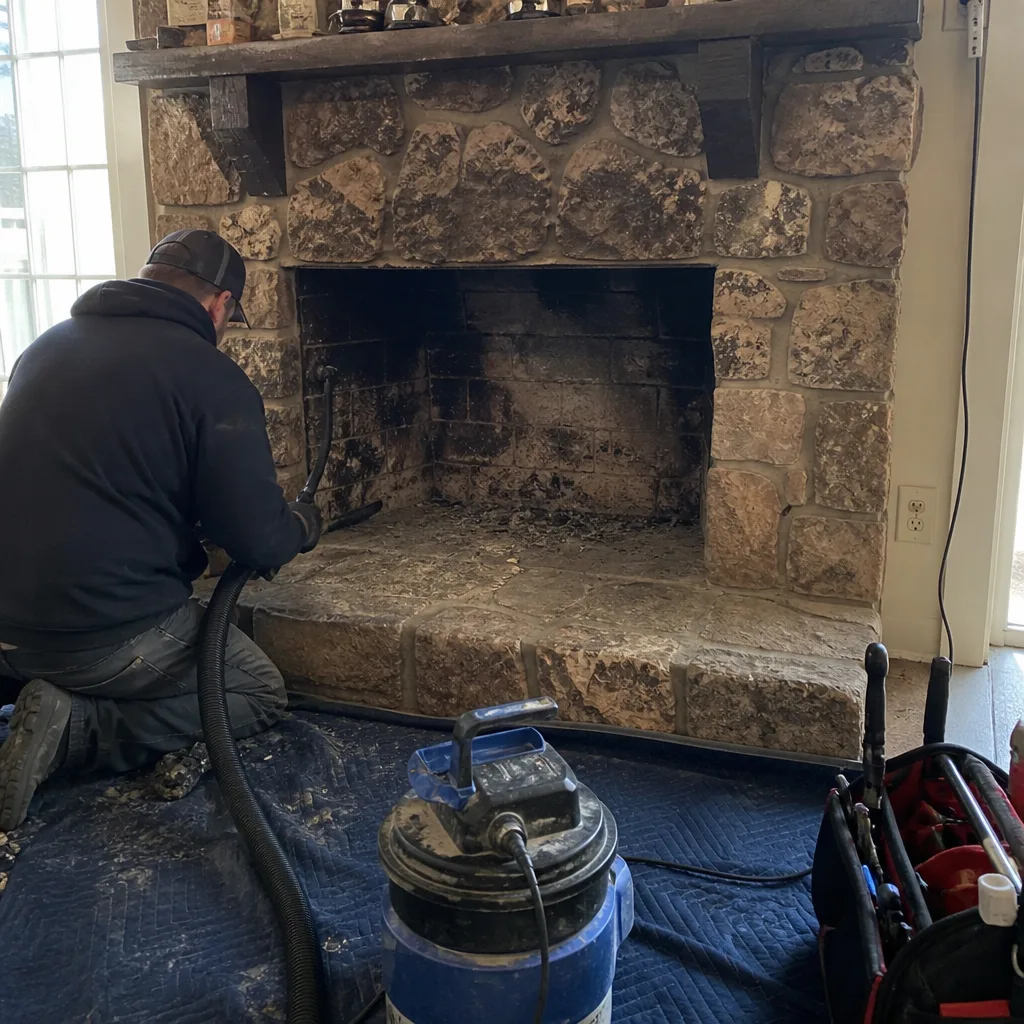 Before
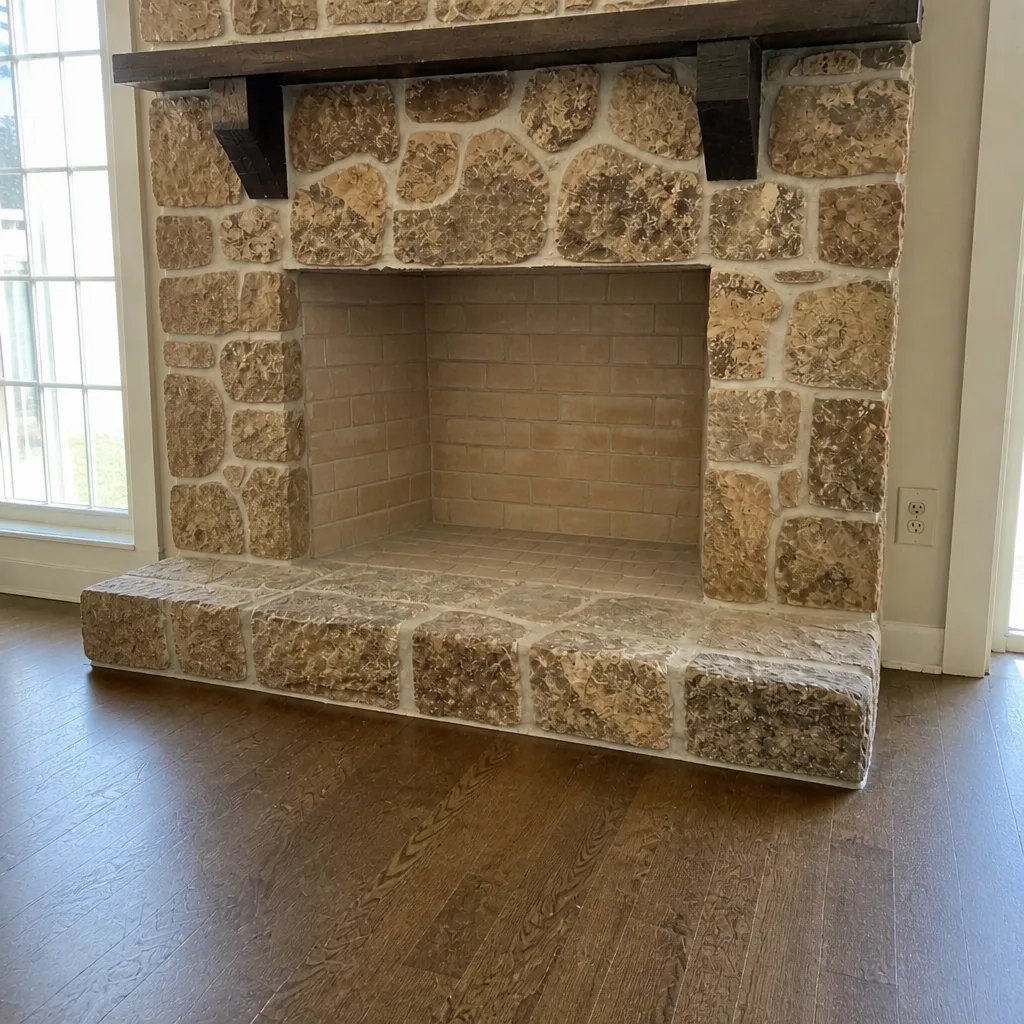 After
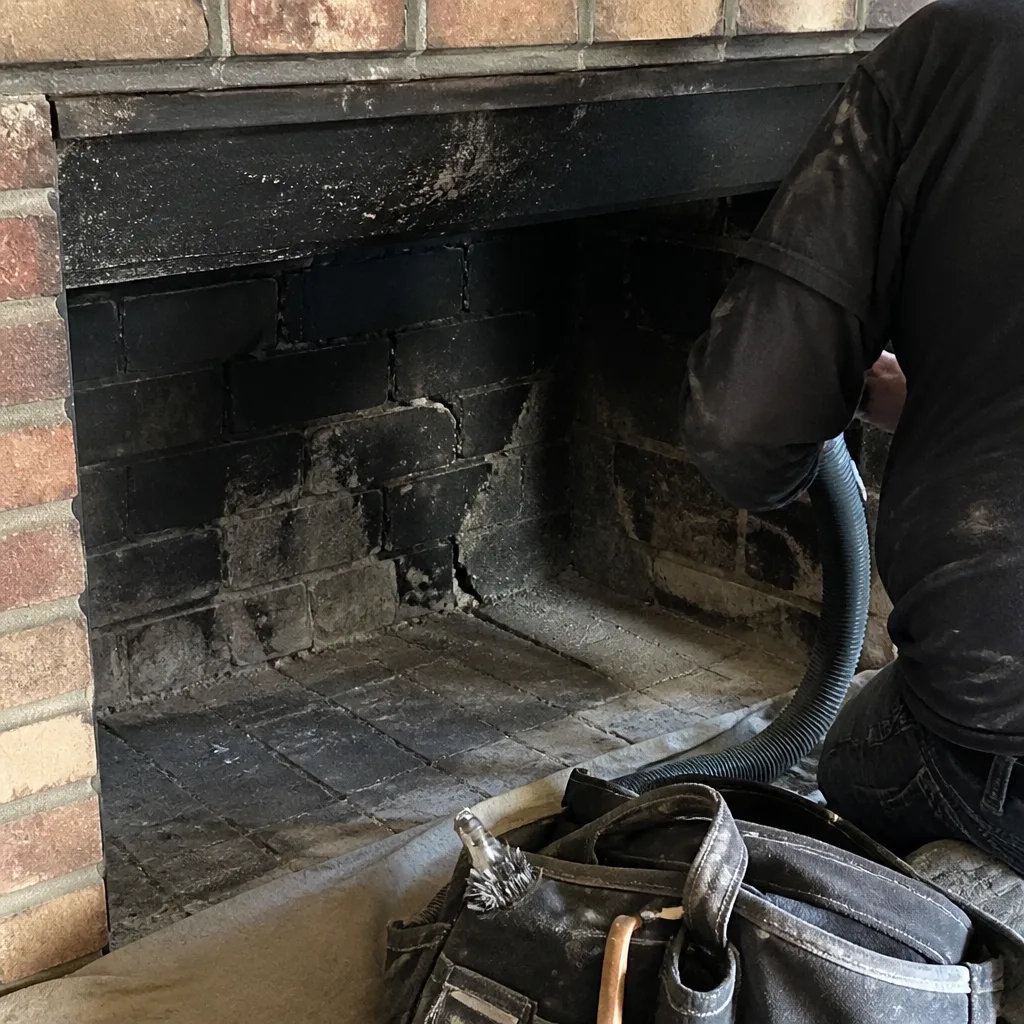 Before
 After
 Before
 After
When to Call a Professional
Some chimney work is routine; some isn’t worth handling yourself. Call a professional when you smell a strong burning odor that doesn’t clear, hear roaring or popping from the flue, or see heavy smoke, sparks, or glowing at the top of the chimney. Call after any chimney fire, before the system is used again, for the Level 3 inspection. Call if a CO detector has sounded, if you suspect a draft problem, or if the glass doors or damper aren’t working. And call before the first fire of the season if you haven’t had the chimney swept. Working with a chimney system is working with high heat and the products of combustion, and it’s a job for someone trained to read what’s inside the flue. At Sandy Chimney Sweep, we inspect it, we explain it, and we fix it right, using products from brands like Olympia Chimney, Gelco, and Famco that are made for the trade. Sandy Chimney Sweep offers free estimates in Sandy. Call (855) 658-5256. We answer 24/7. Fast dispatch from 7am to 7pm, Sunday through Friday.
Frequently Asked Questions
Close the damper first, then close the glass doors, then get everyone out and call 911. Closing the damper starves the fire of oxygen and is the single most important action. Don’t throw water on it, and don’t run outside before closing the damper. Call (855) 658-5256 for an exact quote for a post-event inspection. Estimates are free.
A chimney fire sounds like a loud roaring or rumbling, often with popping or cracking, and is usually paired with heavy smoke and a sharp hot smell. Normal draft noise is a steady, low whoosh that settles. If you hear roaring plus heavy smoke plus a hot smell, treat it as a fire. Call (855) 658-5256 to book an inspection.
Yes. A Level 3 inspection is the right level after any chimney fire because the damage is often inside the flue and not visible from outside. Reusing a chimney without that inspection risks a hidden problem becoming a serious one. Call (855) 658-5256 to schedule. Estimates are free.
The general rule is at least once a year, and more often if you burn heavily or notice creosote building. Sandy’s long, cold burning season makes annual sweeping the baseline before the first fire. If you’re unsure, have it checked. Call (855) 658-5256 to book a sweep.
In or near the main room that shares air with the fireplace, plus the main living and sleeping areas. Placing one only in a distant hallway warns you later than one where people actually are. If a detector sounds, get fresh air and call for help. Call (855) 658-5256 to have the flue checked. Estimates are free.
It should include the date and nature of the event, the inspection level performed, a written description of the damage, any photographs, the recommended repairs with materials named, and the inspector’s professional identification. That record makes a claim or transaction easier. Call (855) 658-5256 to book a documented inspection. Estimates are free.
The Bottom Line
Chimney emergency preparedness in Sandy comes down to a rehearsed sequence and the right setup before the season starts. Close the damper first, get everyone out, call 911, and never put water on a chimney fire. Distinguish a real fire from normal draft noise by the combination of roaring, heavy smoke, and a hot smell. Know your gear, place your detectors where they’ll warn you early, and get the flue swept and inspected before the first fire. If a fire does happen, a Level 3 inspection comes before any reuse, with a documented report you can hand to your insurer. And the quiet emergency, carbon monoxide, is reason enough to keep the system in order. If you’ve had an event or just want to know what you’re working with, call us. We inspect it, we explain it, we fix it right. Find the full scope of what we do on our main page: Sandy Chimney Sweep.
Written by the team at Sandy Chimney Sweep.