
Last updated November 25, 2026
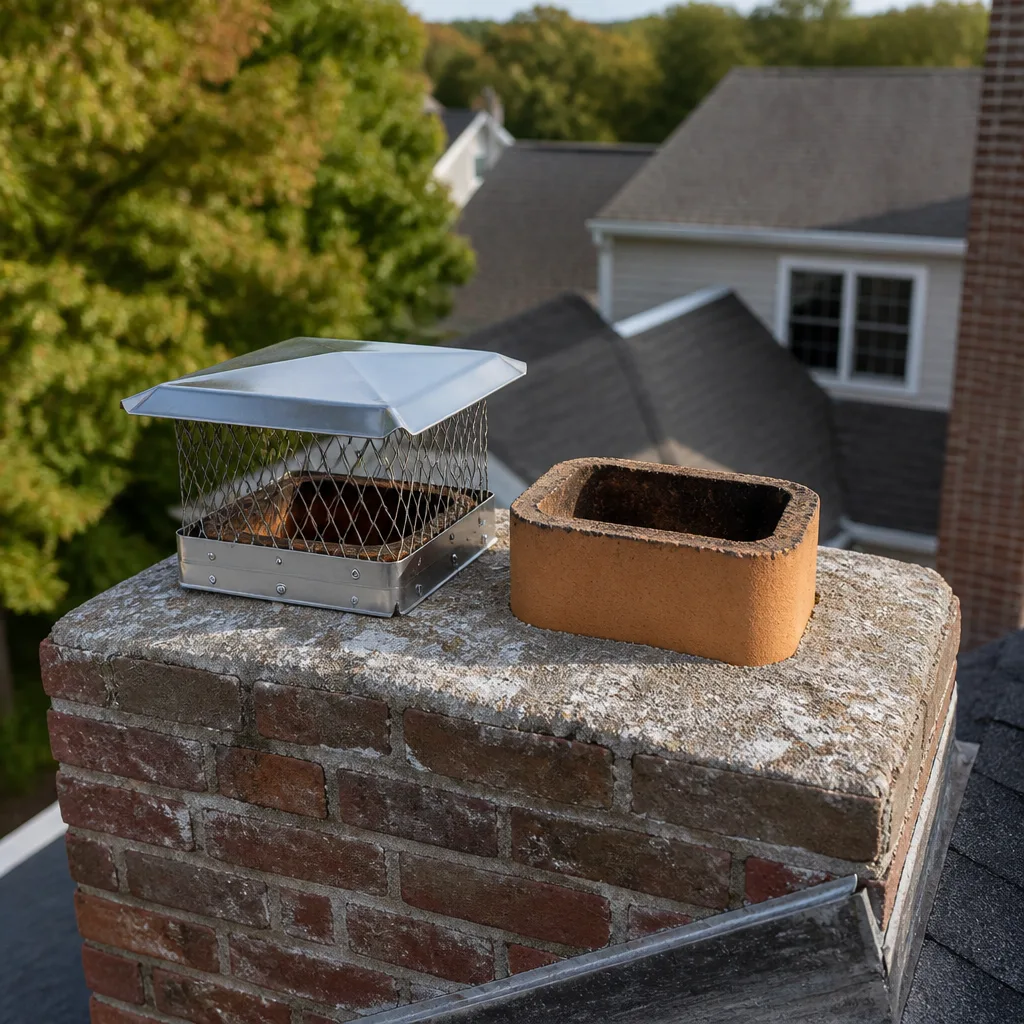 Sweep & inspection
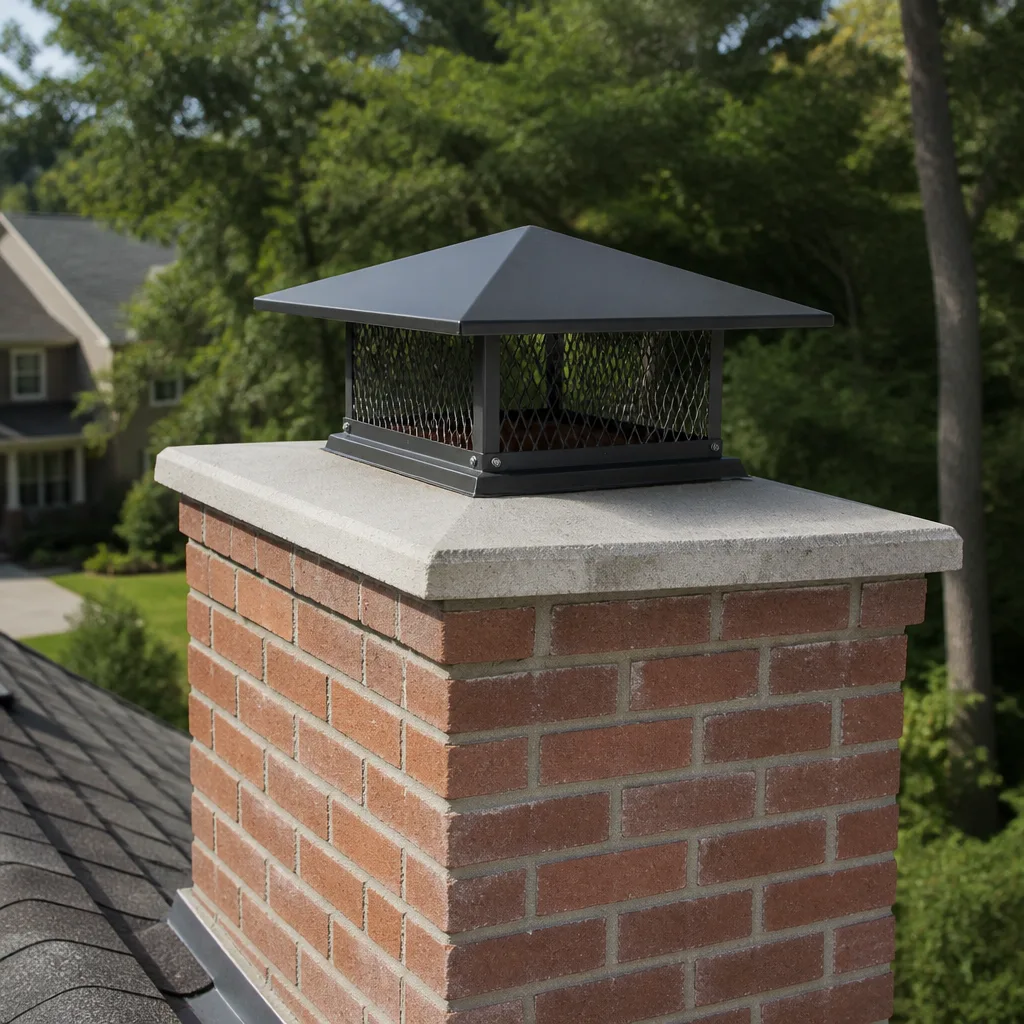 Caps & crowns
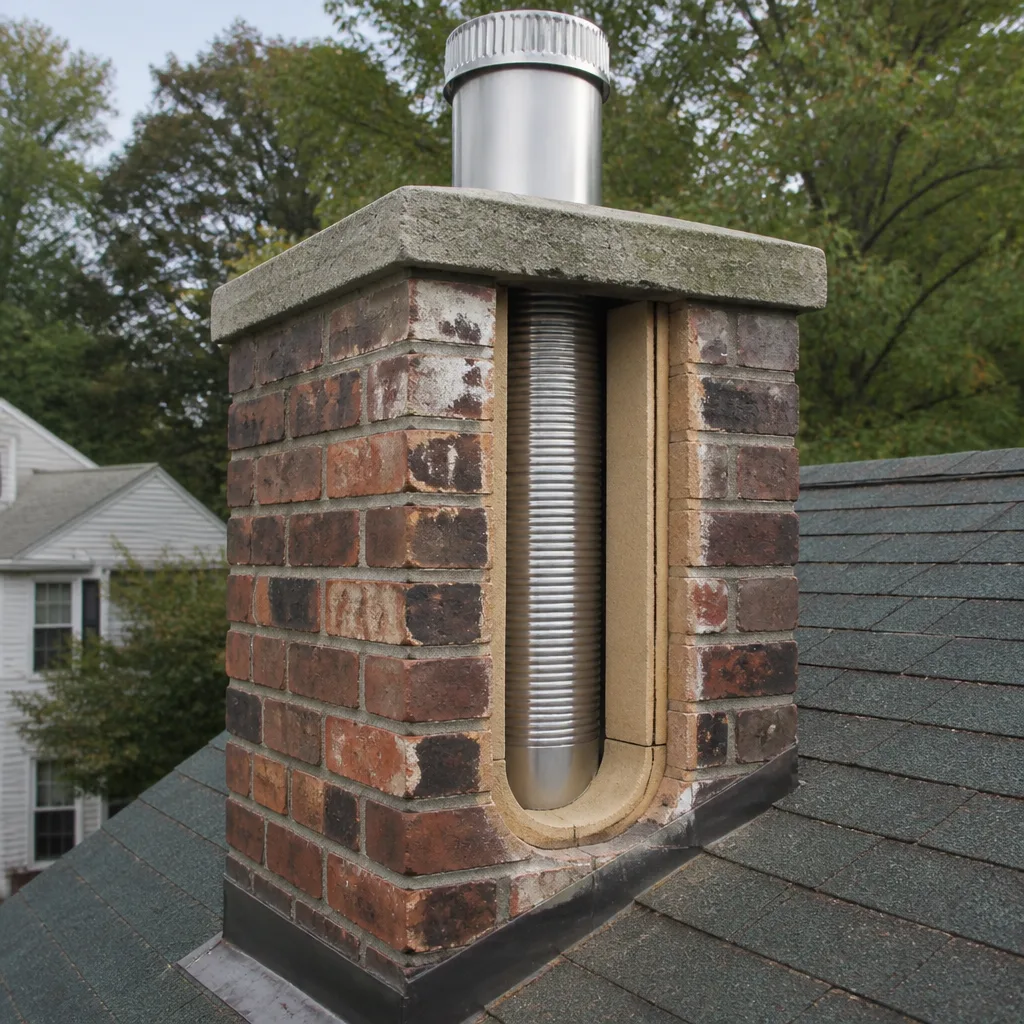 Flue relining
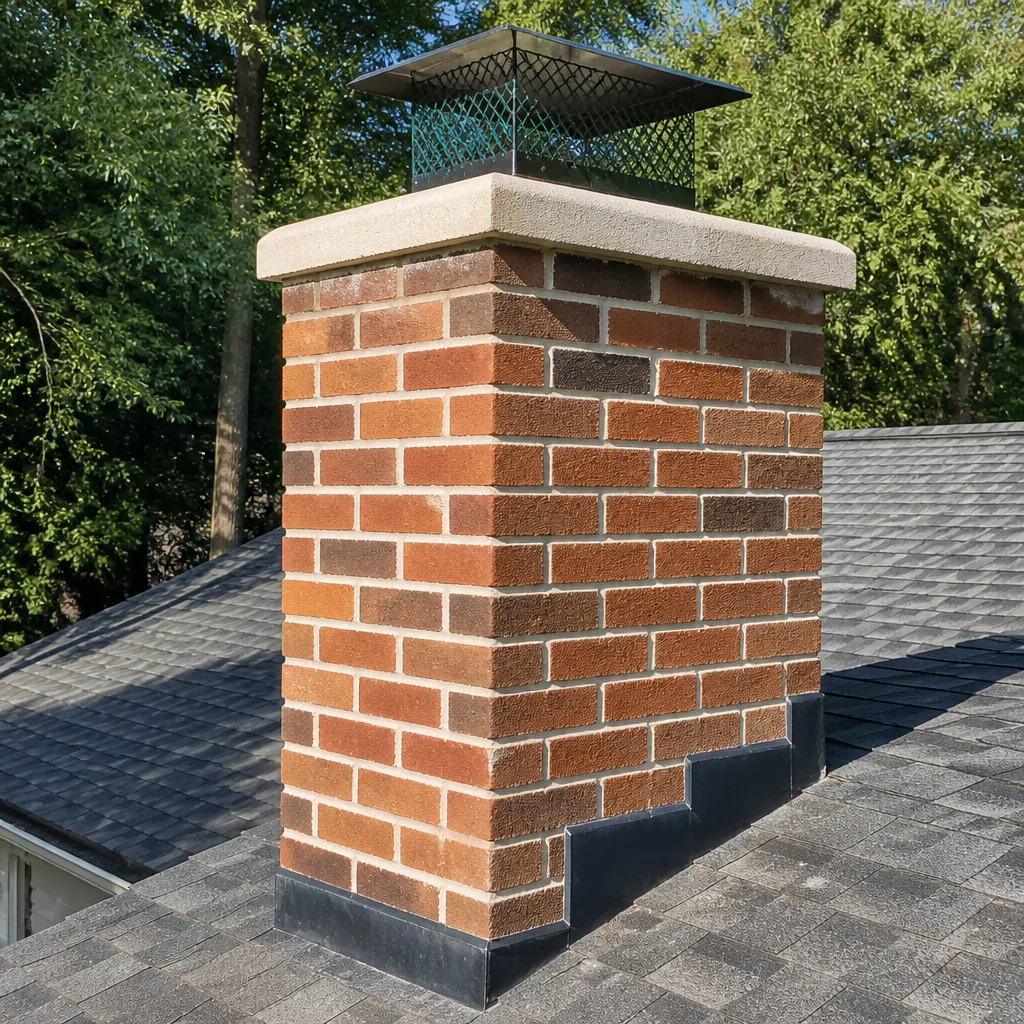 Masonry repair
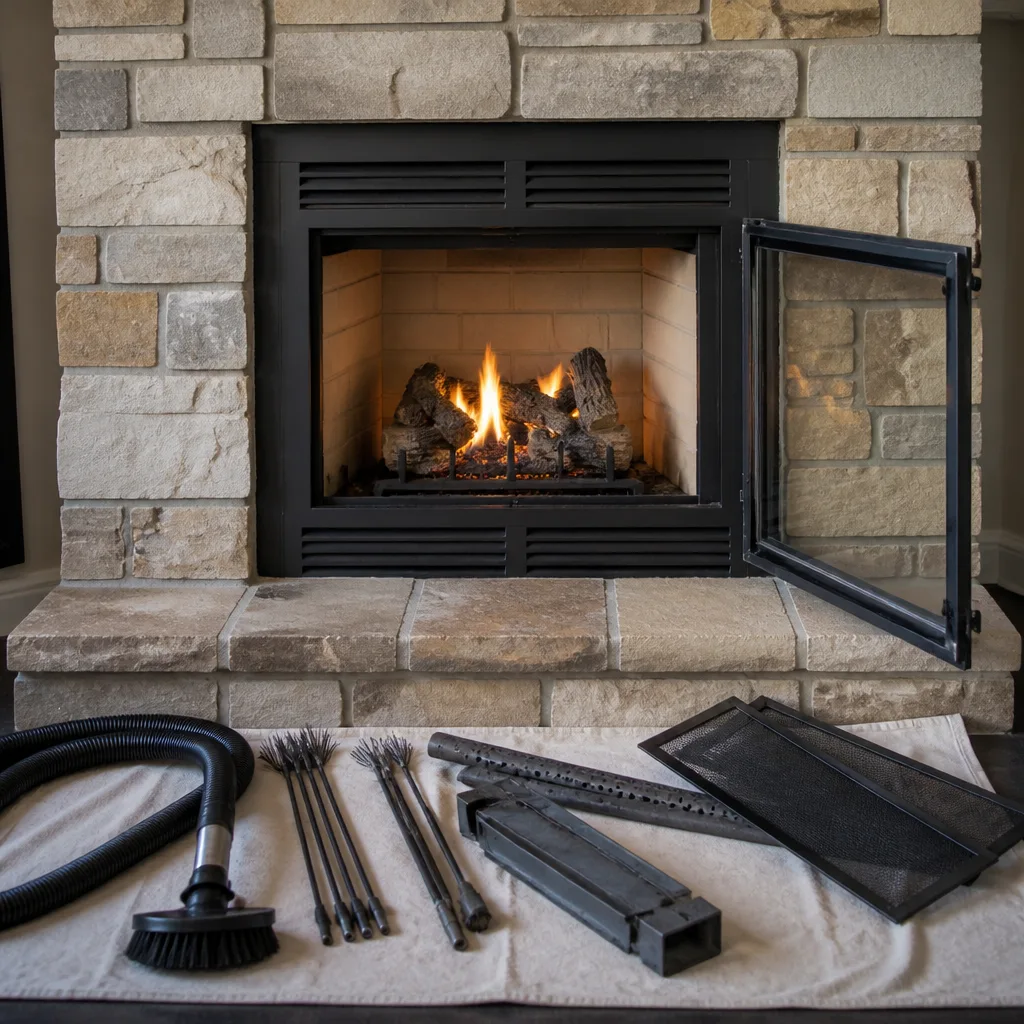 Gas fireplace service
Level 1 sweep and inspection to the NFPA 211 annual standard - flue, crown, cap, and flashing checked and photographed
Chimney sweep logs do not sweep chimneys. They loosen some creosote - which then falls where a brush and vacuum still have to collect it.
Seasonal Chimney Cleaning Care for Sandy: Year-Round Homeowner’s Guide
Most homeowners in Sandy clean their chimney once a year, right before winter, and that’s the whole plan. The trouble is the damage that costs the most doesn’t happen during burn season. It happens in July and August, when monsoon moisture works its way into a cracked crown and a hairline mortar joint while the fireplace sits cold and forgotten. By the time the first frost arrives, that moisture has frozen and thawed a few times and widened every gap it found. This guide lays out a year-round chimney care calendar built for how Sandy actually works: two high-stakes transition windows, with a quiet summer threat sitting in between.
Quick Answer
Chimney care in Sandy runs on three pressure points, not four equal seasons: a spring sweep after the burn season ends, summer moisture protection for the masonry and cap, and a pre-season sweep and inspection in early fall before the first fire. Winter is for monitoring, not major work. Staggering the tasks this way keeps you out of the October scheduling crunch and catches water damage while it’s still cheap to fix.
Styles & brands we work with
- Sweep & inspection
- Caps & crowns
- Flue relining
- Masonry repair
- Gas fireplace service
Table of Contents
- Why Sandy Chimneys Age Differently Than the Calendar Suggests
- Summer: The Monsoon Moisture Window Most Homeowners Ignore
- Early Fall: The Pre-Season Window That Beats the Crunch
- Winter: Mid-Season Monitoring During Heavy Burn Periods
- Spring: The Post-Season Sweep and Why April Matters
- Building Your Annual Chimney Task Calendar
- Common Mistakes to Avoid
- When to Call a Professional
Why Sandy Chimneys Age Differently Than the Calendar Suggests
A chimney in Sandy faces a specific set of pressures that a generic “clean it once a year” schedule doesn’t account for. The burn season here runs long. Homeowners in Sandy tend to fire up the fireplace in October and keep it going through March, sometimes later, and hard cold snaps push people to burn more wood in a shorter stretch. That means two things happen at once: creosote builds up faster than a light-use household would expect, and the masonry takes a moisture beating it doesn’t get to dry out from until the weather breaks.
The other local pressure is summer. Sandy sits at the base of the mountains, and from roughly July through September the monsoon pattern brings sudden, heavy, short-duration rainstorms. That’s different from steady winter snow. A quick deluge finds every crack in a crown, every gap where the flashing meets the roofline, and every soft mortar joint in the stack. If water gets in and the masonry can’t dry out, it sits there. Then the first hard freeze of fall expands it, and the crack grows.
Here’s the asymmetry that matters. Most people plan their chimney work around winter, because that’s when they use the fireplace. But winter is when the least protective work happens, and summer is when the most damaging moisture work happens. The high-value maintenance windows are the two shoulder seasons plus that overlooked summer stretch.
- Pre-burn season (September): sweep out the accumulated creosote, inspect the whole system, confirm it’s safe before the first fire.
- Summer (July-August): protect the masonry and cap from monsoon moisture and the freeze-thaw damage that follows.
- Post-burn season (April): clear the winter’s creosote out before it hardens further, and address anything the burn season wore down.
- Winter: monitor, don’t schedule major work. Watch for warning signs and book the spring visit.
Understanding that shape is what lets a Sandy homeowner stop treating chimney care as a single frantic fall errand and start treating it as a light, evenly spread calendar.
Summer: The Monsoon Moisture Window Most Homeowners Ignore
The biggest chimney threat in Sandy between June and September isn’t fire. It’s water. Monsoon-season rainstorms dump a lot of moisture in a short time, and the parts of your chimney that are supposed to keep that water out are the cap and the crown. When either one has a problem, water finds the masonry, the mortar, and eventually the flue.
What the moisture actually does
Masonry is porous. Bricks and mortar absorb water, and when that water freezes, it expands and pushes the material apart. A small crack in a crown or a spalled brick face that seems harmless in July can be a widening gap by November. The freeze-thaw cycle does the heavy lifting, and Sandy gets plenty of freeze-thaw transitions as fall turns cold at night and warm again by afternoon.
Water coming down the flue also damages what’s inside it. A clay tile liner with a crack lets moisture reach the chimney’s outer structure and the framing around it. That’s the kind of slow damage you don’t see until it’s a repair instead of a maintenance item.
Summer tasks that actually protect the chimney
- Get the cap checked. A chimney cap & crown that’s loose, cracked, rusted, or missing is the single most common summer problem we find. A working cap keeps rain, debris, and animals out of the flue.
- Look at the crown. The crown is the concrete or masonry top that sheds water away from the stack. Cracks in the crown let water into the chimney’s core. Sealing or repairing a cracked crown in summer, before the freeze, stops the damage chain.
- Check the flashing and the roofline. Where the chimney meets the roof, the flashing is what keeps water from sneaking in around the base. Loose or failed flashing shows up as staining or dampness on the ceiling or framing.
- Watch for interior warning signs after a big storm. Water stains on the firebox walls, a musty smell near the hearth, or dampness on nearby drywall after a monsoon downpour all point to a moisture path that needs attention.
This is where a formal inspection earns its keep. We put our findings in a written, documented report you can keep for insurance, real estate, or your own maintenance records, so you know exactly what condition the cap, crown, and flashing are in before the fall.
Early Fall: The Pre-Season Window That Beats the Crunch
Ask most Sandy homeowners when they think about their chimney and the answer is October. That’s also when everyone else thinks about it. The result is a scheduling pileup right when the weather turns and people want their first fire. September is the smarter window by a wide margin.
Why September beats October in Sandy
By September, the burn season is still a few weeks off, but the summer monsoon pattern has largely wound down, so you’re not chasing active storms. The big fall freeze hasn’t started, which means anything we find that needs sealing or repair can still be done before the cold sets in. And you avoid the crowd of homeowners all trying to book at the same time.
Doing the pre-season chimney sweep and inspection in September also gives you time to act on what turns up. If the inspection shows a cracked crown or liner issue, you have weeks to schedule the repair instead of scrambling before the first cold night. A trained eye finds what a flashlight from the hearth never will.
What the pre-season sweep and inspection covers
- Creosote removal: sweeping out the flue before burn season means the system starts clean and safer.
- Full inspection: from the firebox to the crown, checking the flue, damper, firebox, smoke chamber, cap, and crown. This is a formal inspection, not a free glance dressed up as one.
- Draft check: confirming the chimney will pull smoke properly once it’s in use.
- A written assessment: documented findings you can act on and keep.
If an inspection turns up liner damage, we don’t jump straight to relining. In qualifying chimneys, HeatShield ceramic resurfacing can restore the liner instead of replacing it, which is a level of repair a sweep-only company simply can’t offer. That said, nothing gets recommended without camera evidence you can see for yourself, and we’ll tell you plainly when a repair can safely wait until spring.
Winter: Mid-Season Monitoring During Heavy Burn Periods
Once the fire is going regularly, the chimney’s job changes. In winter it’s handling constant heat and a steady stream of combustion byproducts. Mid-season care is less about booking work and more about paying attention, because the signs of a problem show up now even though the repairs can usually wait.
What to watch during heavy burn stretches
Sandy winters throw hard cold snaps and temperature inversions, and those push homeowners to burn harder and longer. More burning means more creosote. It also means more chances for a chimney to reveal how well it’s drafting. A fireplace that suddenly smokes back into the room, a draft that’s weaker than it used to be, or a smell that lingers after the fire’s out are all signals to note.
- Smoke coming back into the room: a sign the draft has changed or the flue is becoming restricted.
- A strong, lingering smell when the fire’s out: often points to creosote or an airflow problem.
- A visible buildup on the firebox walls: creosote gathering faster than expected for the amount of wood you’re burning.
- Dampness or staining during a winter thaw: a moisture problem that started in summer and is now showing through.
- Unusual sounds or a loosened cap after a windstorm: worth checking once the weather allows.
What not to do mid-season
Don’t push a hard burn season on a system that skipped its fall inspection. If you fired up in October without a pre-season sweep, and the fire is burning poorly or smelling strong, the answer isn’t to burn hotter to clear it. That’s the point to book a mid-season check rather than assume it’ll sort itself out. Most winter work we do is diagnostic, so you go into spring knowing exactly what needs attention.
When you’re ready to book that check, calling is simple. Call (855) 658-5256. We answer 24/7. Fast dispatch from 7am to 7pm, Sunday through Friday.
Spring: The Post-Season Sweep and Why April Matters
The burn season has a long tail in Sandy. Fires keep going into March, sometimes April on a cold year. That’s exactly why spring timing matters: you want to sweep after the burning stops but before the creosote has all summer to settle and harden.
Why April is the right month
Creosote that builds through the winter is softer and easier to remove sooner after the burn season ends. Let it sit through a hot, dry summer and it firms up on the flue walls. By fall, the same sweep has to work harder against a harder deposit. A spring sweep clears the system while it’s still cooperative, and it gives you a clean baseline heading into the moisture season.
Spring is also when the post-burn inspection pays off. The burn season stresses the whole system. This is the moment to catch a liner that’s cracking, a crown that took freeze-thaw damage over the winter, or a firebox that’s showing wear. Catching those in spring means you have the whole summer to schedule repair work, using materials like a DuraFlex flexible liner system where a rigid liner won’t fit the chimney’s configuration.
Spring tasks for a heavily used fireplace
- Book the sweep. Clear the winter’s creosote out of the flue and smoke chamber.
- Schedule the inspection. Check the firebox, damper, flue, cap, and crown for what the burn season wore down.
- Get the report in writing. Document the findings so you can plan repairs and keep records.
- Note any fireplace repair needs. A damper that no longer seals, a cracked firebox brick, or worn mortar around the firebox all fall under fireplace repair.
- Put the summer moisture tasks on your calendar. Cap check and crown check belong in July or August, not October.
This is where working with one specialist across the whole system saves you from juggling contractors. From the firebox to the crown, one specialist handles it all, so the spring findings don’t get lost between a sweeper and a mason.
Building Your Annual Chimney Task Calendar
A year-round chimney plan is really just a staggered task list, so nothing falls into the October emergency pile. Here’s a simple calendar you can adapt to how you use your fireplace.
The Sandy chimney care calendar
- April: Post-season sweep and inspection. Clear the winter’s creosote and document the system’s condition.
- May: Review the inspection report. Schedule any repairs that need doing, especially liner work or firebox repair.
- July: Cap and crown check. Confirm the cap is intact and the crown isn’t cracked before monsoon season peaks.
- August: Flashing and moisture check. Watch for interior water signs after heavy rain, and seal the masonry if it needs it.
- September: Pre-season sweep and inspection, in writing. Do this before the burn season and before the fall booking crunch.
- October through March: Burn season monitoring. Note any draft changes, smoke backdrafts, or lingering smells, and book the spring visit.
How to tailor it to your use
Heavy burners (fires most nights through the cold months) should stick to the schedule and consider a mid-season check if anything changes. Light users can compress the calendar, but the two transition sweeps and the summer moisture check still matter. A fireplace you’re reactivating after years of neglect deserves a full inspection before the first fire, not just a quick sweep.
If you’d rather have the plan handled for you, we can walk your system top to bottom and put it on a schedule that fits how you burn. We inspect it, we explain it, we fix it right.
Common Mistakes to Avoid
- Waiting until October to think about the chimney. October is the busiest month for chimney work in Sandy, and it’s the worst time to discover a repair need. Book the pre-season sweep in September instead.
- Skipping summer moisture checks entirely. The crown and cap failures that cause fall repair bills get set up in July and August. A cracked crown lets water in, and water plus freeze-thaw turns a small crack into a big problem.
- Assuming a quick look from the hearth counts as an inspection. You can’t see the flue interior, the crown, or the smoke chamber from the living room. A formal inspection is a standalone service for a reason.
- Lettng creosote harden all summer. Spring sweeping clears softer deposits; waiting until fall means fighting harder, denser buildup.
- Relining as the automatic answer to liner damage. In qualifying chimneys, HeatShield ceramic resurfacing can restore a damaged liner without a full reline. Ask whether your chimney qualifies before assuming the expensive route is the only one.
- Not keeping the inspection report. A written, documented assessment is useful for insurance, real estate, and your own maintenance planning. Ask for it in writing.
- Burning through the winter without checking anything. A draft change, a lingering smell, or a smoking fire in December is a warning sign. Note it and book a check rather than burning harder.
When to Call a Professional
Some things are a scheduling question and some are a safety question. Call a professional if you’ve gone a full burn season without a sweep, if you’re reactivating a fireplace you haven’t used in a long time, or if you notice smoke coming back into the room, a strong lingering smell when the fire’s out, or water stains near the firebox after a storm. Call if a crown looks cracked or a cap is loose, or if a winter cold snap or inversion made you burn harder than usual and you’ve never had the system checked. Anything to do with the flue interior, the liner, or the firebox is a job for a trained technician, not a DIY project. The flue and firebox handle combustion byproducts and can hide structural problems, so a proper trained professional check is the right call. Sandy Chimney Sweep offers free estimates in Sandy. Call (855) 658-5256, and we’ll inspect it, explain what we found, and tell you what needs doing now versus what can wait.
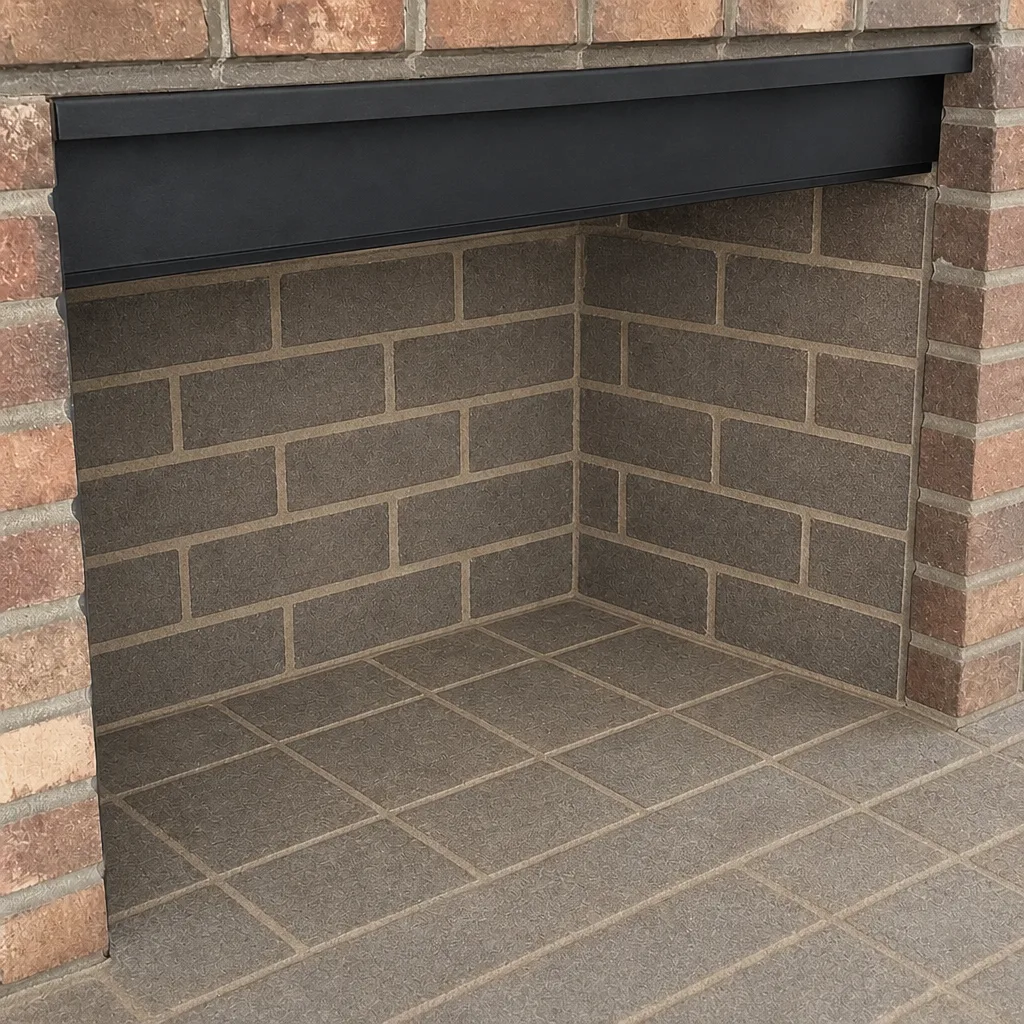
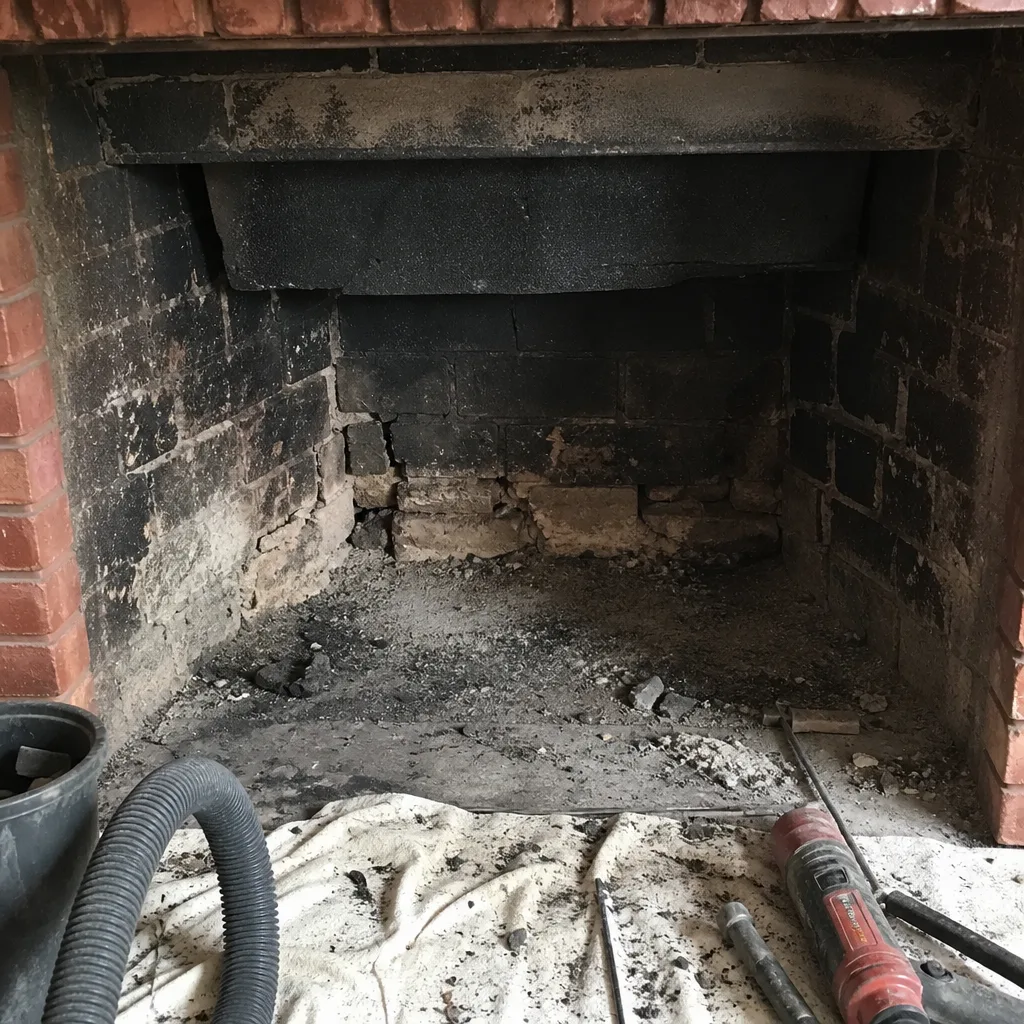
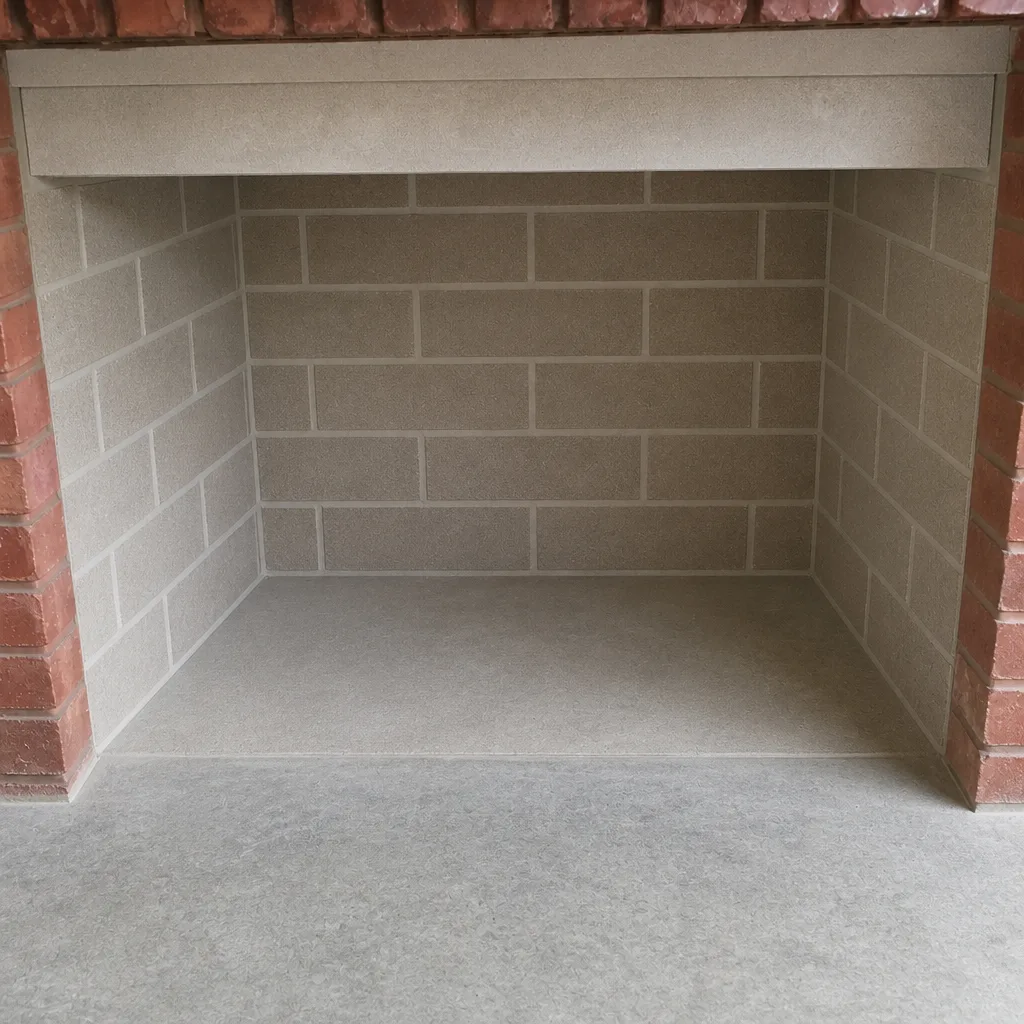
See the difference
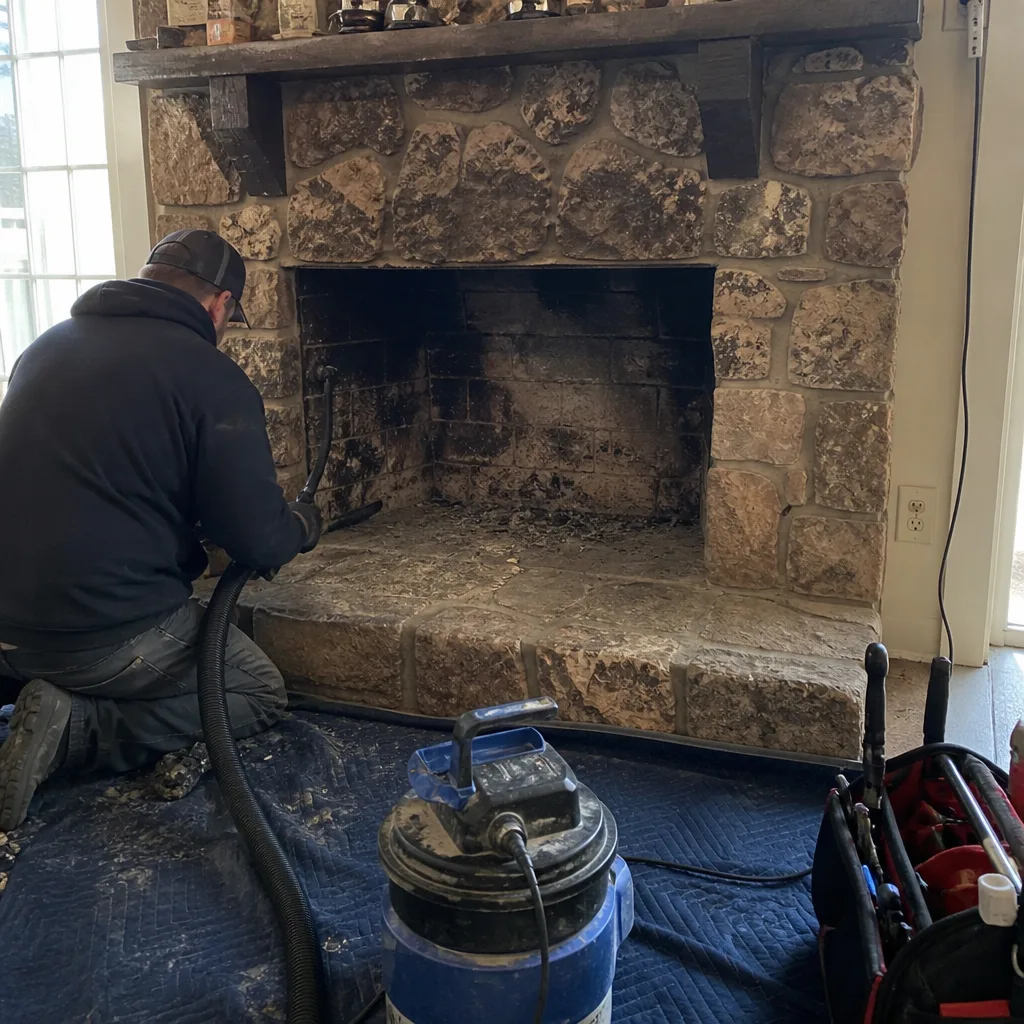 Before
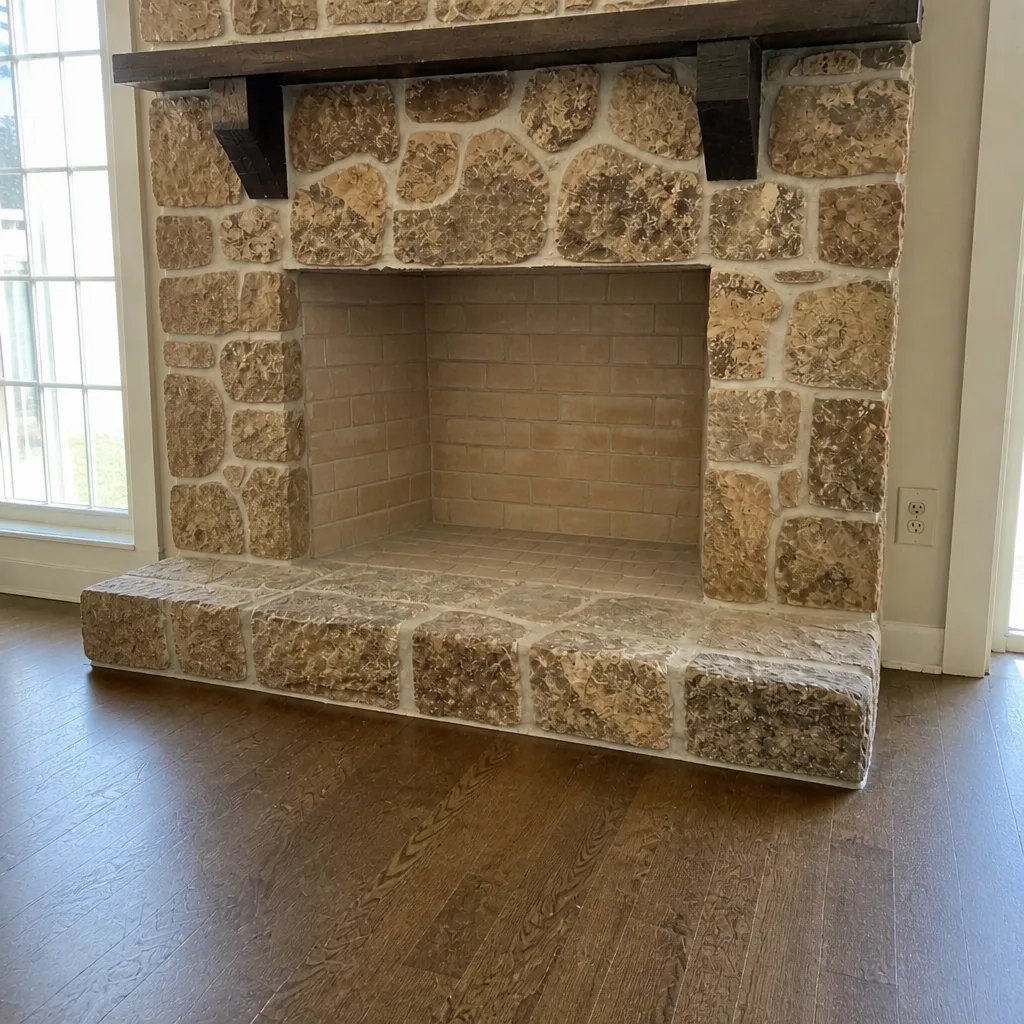 After
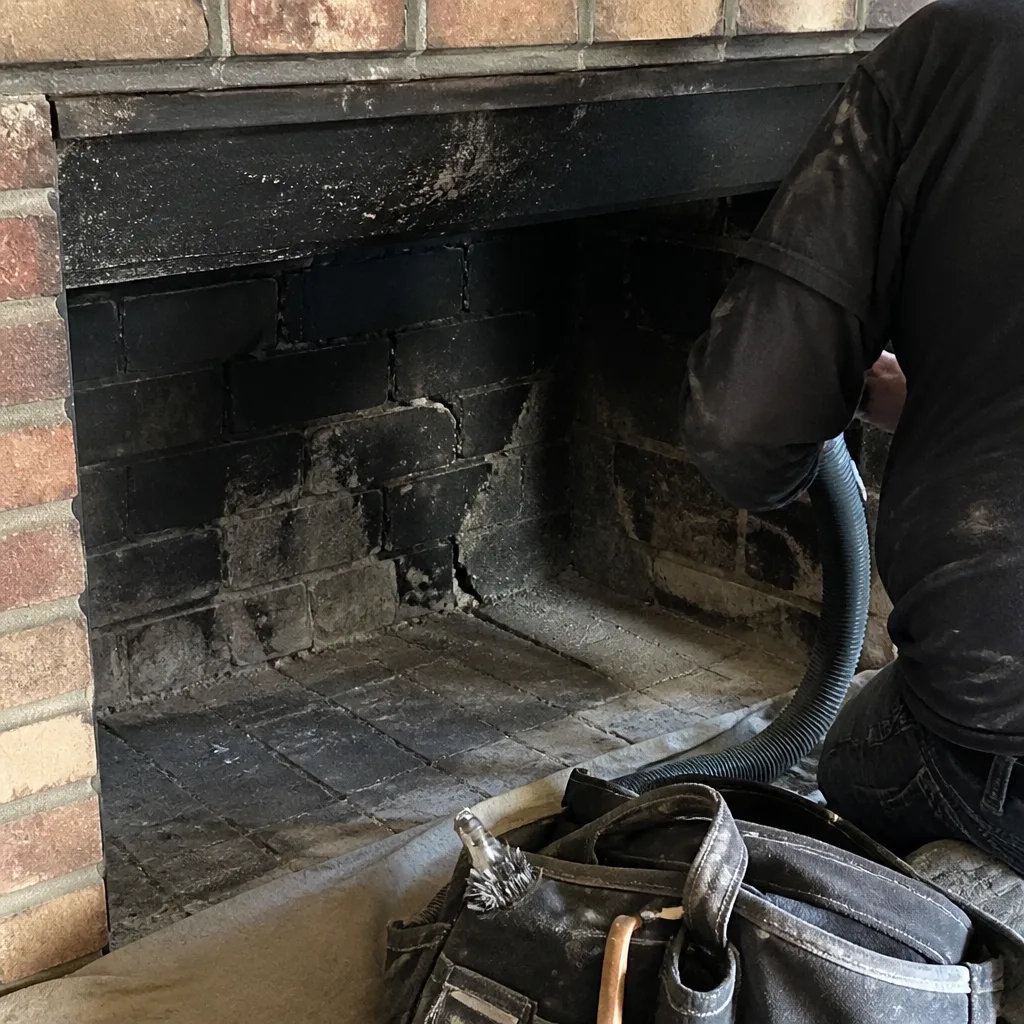 Before
 After
 Before
 After
Frequently Asked Questions
Most homes that burn regularly should be swept once a year, and the smarter timing in Sandy is a spring sweep after the burn season plus a fall inspection before the first fire. Heavy burners may want a mid-season check if they notice draft problems or creosote building faster than expected. Call (855) 658-5256 and we’ll tell you what fit your usage.
Monsoon-season moisture from July through September is the primary threat to Sandy masonry, because water gets into cracks and then freeze-thaw widens them once the cold arrives. Checking the cap and crown in summer catches that damage before it sets in. That’s the work that prevents the fall repair bill.
In qualifying chimneys, HeatShield ceramic resurfacing can restore a damaged liner instead of replacing it with a full reline. That’s a real option a lot of sweep-only companies can’t offer. Nothing gets recommended without camera evidence you can see for yourself. Call (855) 658-5256 for a free estimate.
Yes. A sweep cleans the flue of creosote, and an inspection is a separate, standalone assessment of the whole system from the firebox to the crown, delivered as a written report. They often happen together in a pre-season visit, but they’re distinct services. We offer inspection as a dedicated service so you know exactly what you’re working with.
Skipping a season lets creosote build up in the flue, and skipping summer care lets moisture damage to the cap and crown go unchecked before the freeze. Neither one announces itself. The next burn season is when the signs show up, often as a poor draft or a repair that’s grown larger than it needed to be. Call (855) 658-5256 for a free estimate and a clear plan.
Because creosote that builds through the winter is still softer in April and easier to remove. Let it sit through a hot, dry summer and it firms up on the flue walls, so the fall sweep has to work harder to clear it. A post-burn sweep in April clears the system while it’s easier and gives you a clean baseline for the moisture season.
The Bottom Line
Chimney care in Sandy isn’t a fall chore. It’s a light calendar spread across the year that puts the important work where it does the most good: a spring sweep and inspection after the burn season, summer protection against monsoon moisture on the cap and crown, and a pre-season sweep in September before the first fire. Winter is for monitoring, not major work. The point isn’t to give you more to do. It’s to keep you out of the October pileup and to catch water damage while it’s still a small fix instead of a repair. If you’d like your system put on a calendar and inspected, explained, and handled in one place, call (855) 658-5256 for a free estimate.
If you’d like to start with the basics, the Sandy Chimney Sweep team can walk you through a full-system check and a written improvement plan.
We work with trusted trade brands including Olympia Chimney, Famco, Copperfield, and DuraFlex, so the parts and liner systems on your chimney match what certified specialists use nationwide. Our technicians have up to 9 years of experience, and we inspect it, explain it, and fix it right. We answer 24/7. Fast dispatch from 7am to 7pm, Sunday through Friday.
Written by the team at Sandy Chimney Sweep.