
Last updated November 25, 2026
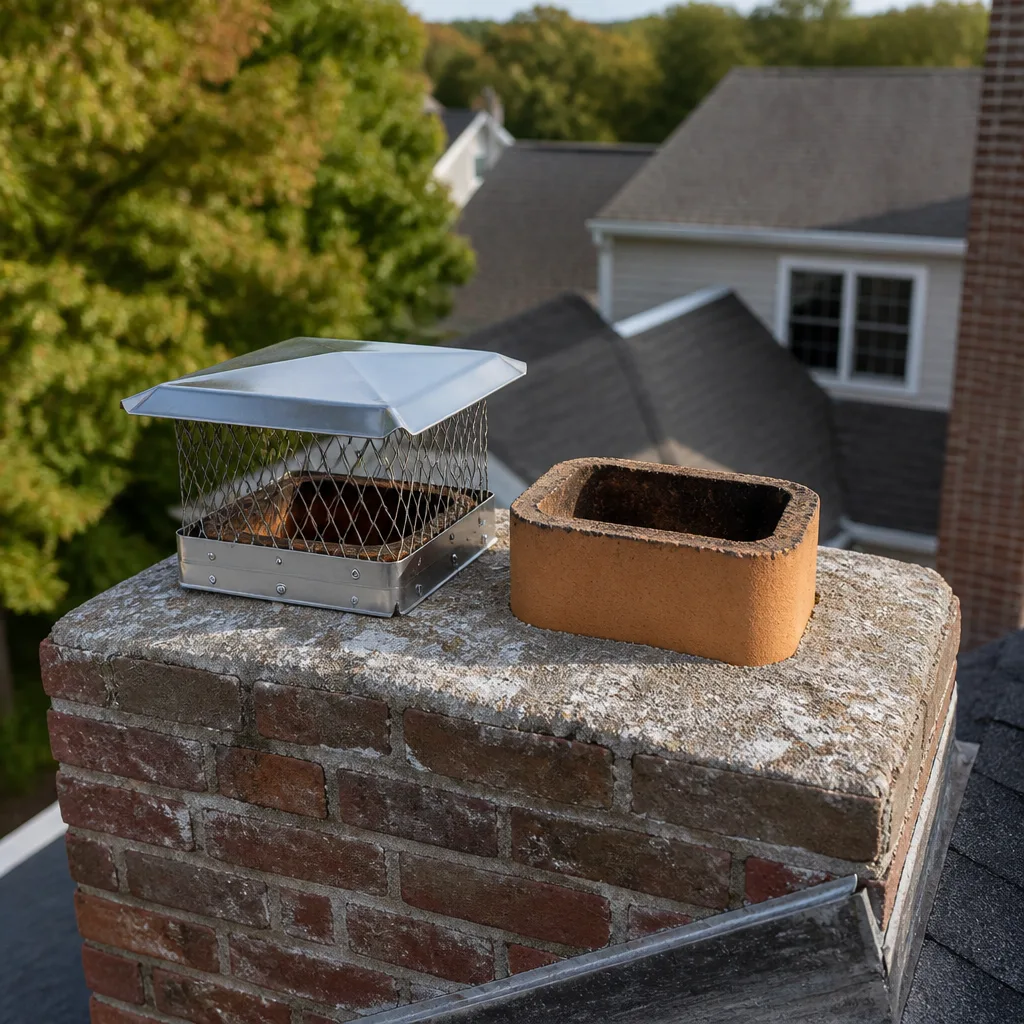 Sweep & inspection
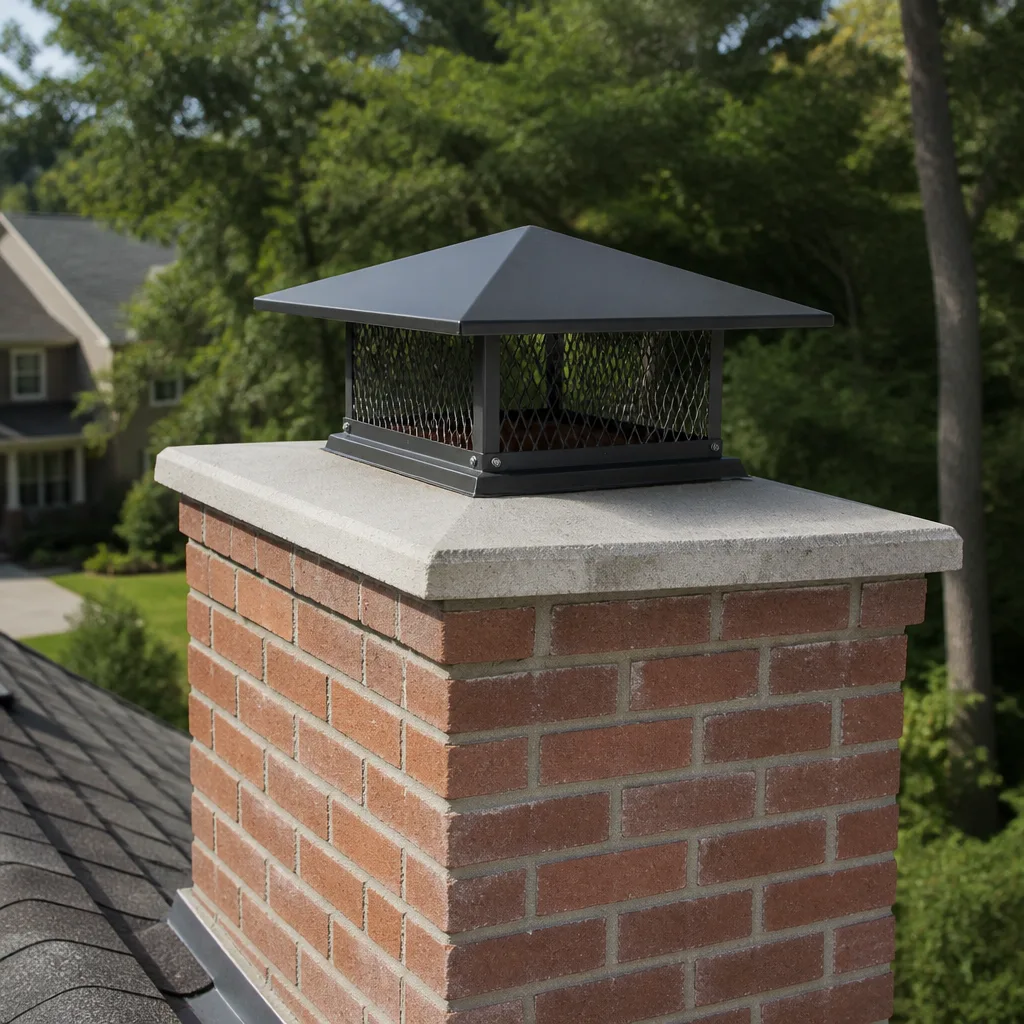 Caps & crowns
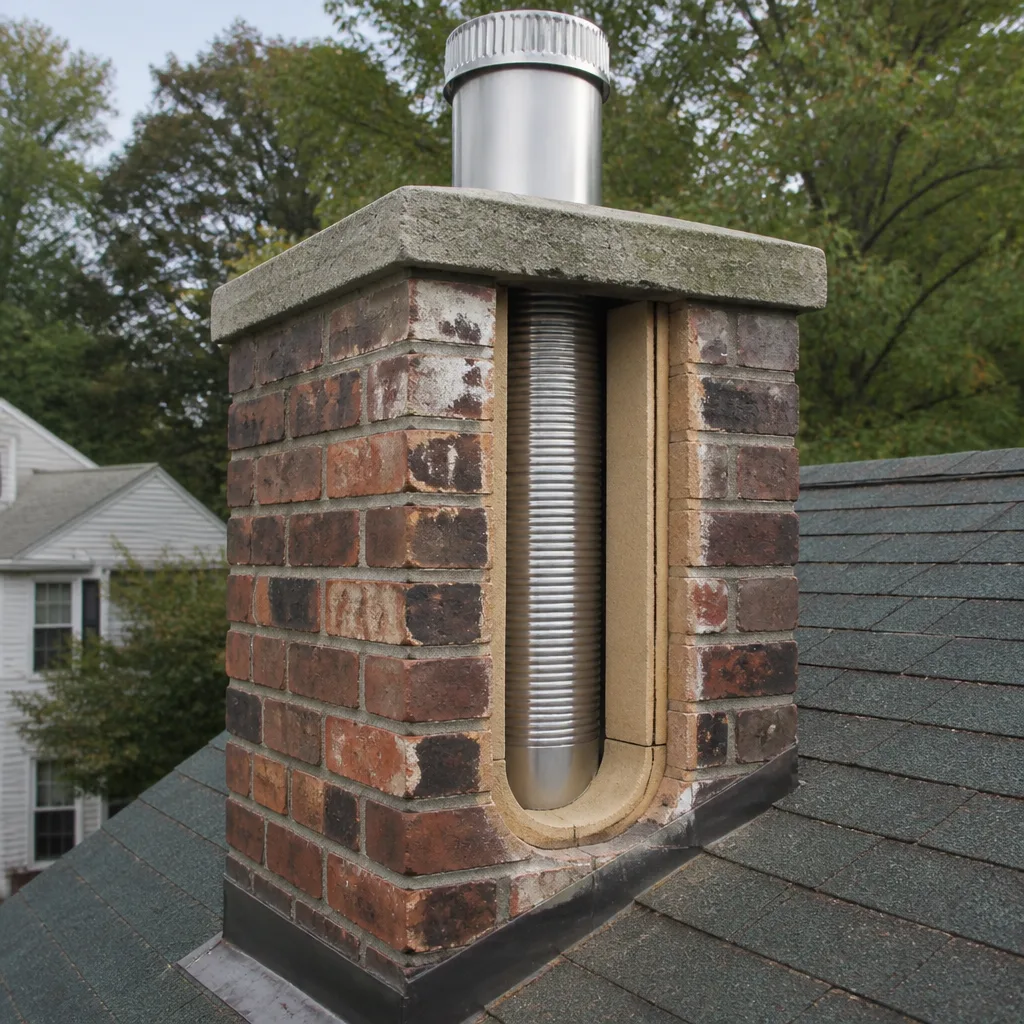 Flue relining
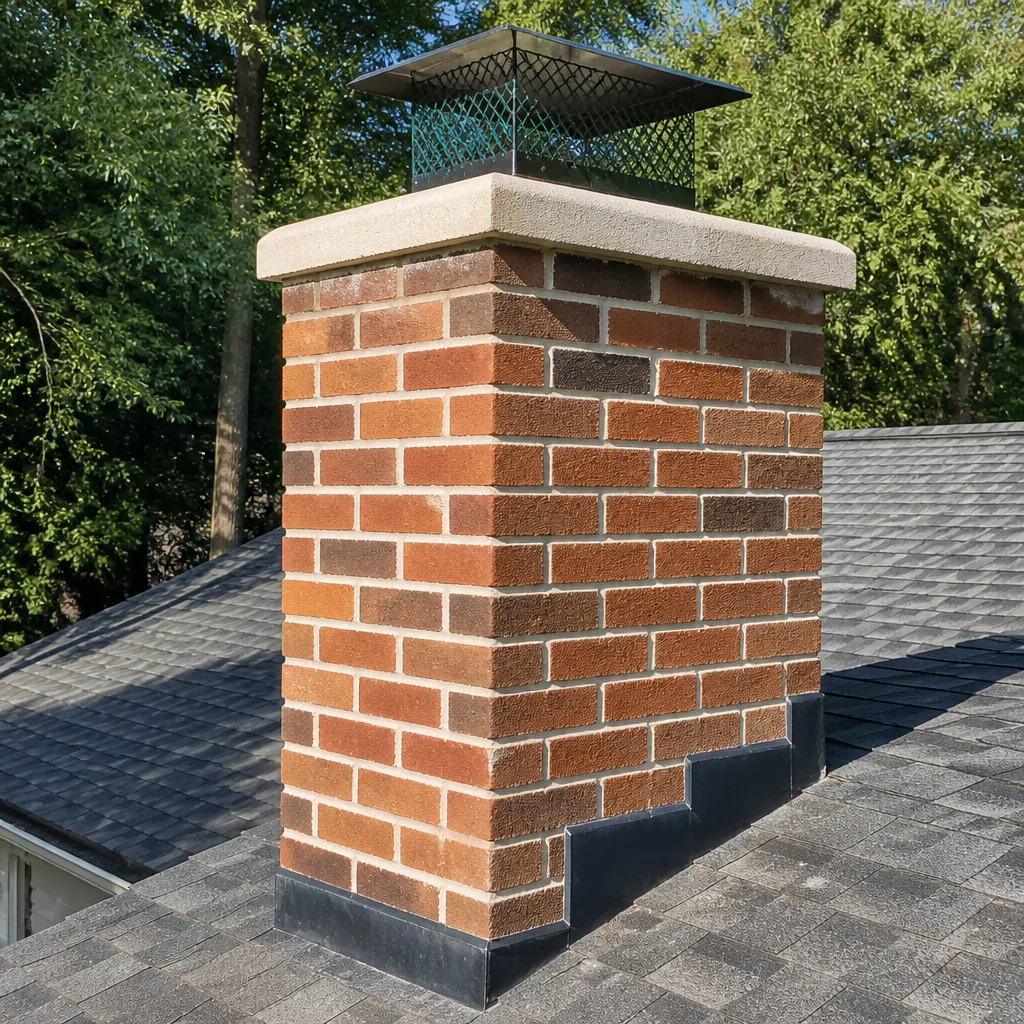 Masonry repair
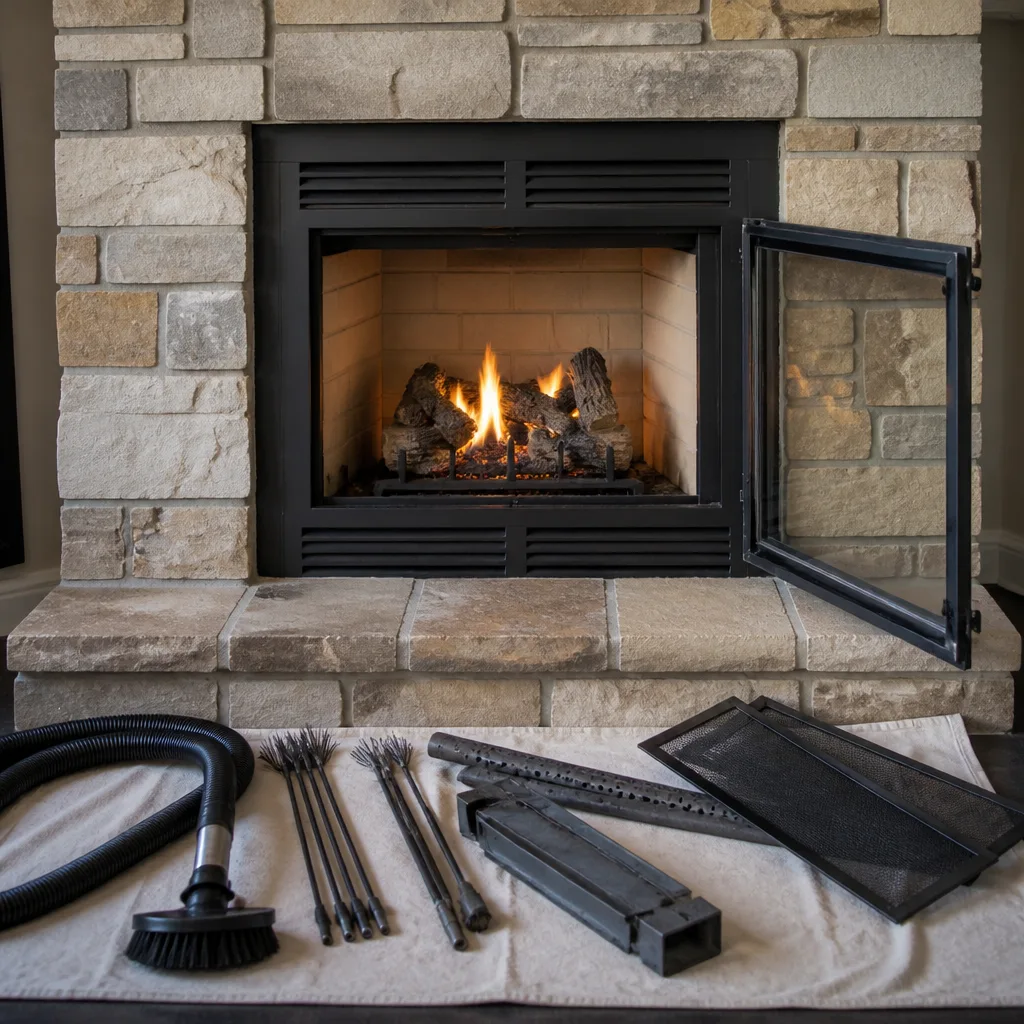 Gas fireplace service
Level 1 sweep and inspection to the NFPA 211 annual standard - flue, crown, cap, and flashing checked and photographed
Chimney sweep logs do not sweep chimneys. They loosen some creosote - which then falls where a brush and vacuum still have to collect it.
Chimney Cleaning Permits, Codes & Inspections in Sandy, UT: What You Need to Know
Most Sandy homeowners assume chimney work never needs a permit. For a routine cleaning, that’s true. The moment a liner gets replaced, an insert goes in, or a cap gets swapped on certain system types, the rules change completely. The chimney work that gets flagged during a Sandy home sale usually isn’t the cleaning. It’s the unreported liner repair or insert installation done three owners ago without a permit, now your problem to resolve at closing. This guide covers what actually requires a permit in Sandy and Salt Lake County, how the inspection levels work, and how a proper report protects you whether you’re buying, selling, or just keeping your family safe. We’ll walk through the code framework, the permit-versus-no-permit line, and what happens when unpermitted work surfaces at the worst possible time.
Quick Answer
Routine chimney cleaning and standard inspections in Sandy, UT do not require a permit. Liner replacement, fireplace insert installation, and most structural chimney repairs do require a permit through Sandy City’s building department, which enforces the International Residential Code (IRC) Chapter 10 and International Fire Code (IFC) standards Utah has adopted statewide. An NFPA 211 Level 2 inspection is triggered by a change of ownership, an appliance change, or a chimney event like a fire or earthquake, and a proper written inspection report is what protects you during a home sale or an insurance claim.
Styles & brands we work with
- Sweep & inspection
- Caps & crowns
- Flue relining
- Masonry repair
- Gas fireplace service
Table of Contents
- What Chimney Work Needs a Permit in Sandy?
- How Utah’s IRC Chapter 10 and IFC Standards Apply in Sandy
- The Three NFPA 211 Inspection Levels and When Each Is Triggered
- What Happens When Unpermitted Chimney Work Surfaces During a Sandy Home Sale
- Why Unpermitted Work Can Sink a Chimney Fire Insurance Claim
- Sandy’s Climate and Housing Stock: Why Chimney Systems Age the Way They Do
- How a Permitted Chimney Repair Actually Moves Through Sandy
- Keeping Records That Protect You at Resale
What Chimney Work Needs a Permit in Sandy?
Cleaning and inspection are maintenance. Repair and replacement are construction. That distinction is the whole game, and it’s where most homeowners get surprised. Sandy City’s building department issues permits based on the scope of work, not the trade name on the truck, so a “chimney cleaning company” doing a liner swap still needs a permit for that liner.
Here’s how the line typically falls in Sandy and across Salt Lake County:
- No permit typically required: routine sweeping, Level 1 and Level 2 inspections, minor mortar repointing on accessible joints, replacing a spark arrestor screen, and light firebox cleanup.
- Permit typically required: full liner replacement or relining, installation of a new fireplace insert or appliance, changes to the flue configuration, structural masonry repair, and cap replacement on factory-built or listed chimney systems where the cap is part of the listed assembly.
- Permit and sometimes engineering review: chimney height changes, removal or partial removal of a chimney, and any modification that affects the structural load path of a masonry chimney.
One wrinkle that catches people: a cap replacement on a masonry chimney is usually a straightforward accessory swap. On a factory-built system, the cap is often part of the listed assembly, and swapping to a non-listed cap voids the listing and can require a permit and inspection to stay compliant. If you’re not sure which type you have, that’s exactly the kind of question a proper inspection answers before anyone touches the roof. We inspect it, we explain it, we fix it right – and we tell you plainly when a permit is needed and when it isn’t.
Codes vary in how they’re enforced at the local level, so the final word on any specific job in Sandy belongs to the city’s building department. Call them before you book the work, not after.
How Utah’s IRC Chapter 10 and IFC Standards Apply in Sandy
Utah adopts the International Residential Code statewide, and IRC Chapter 10 is the chapter that governs chimneys and fireplaces. Sandy enforces it at the local level through its building department, which means the code language is uniform across the state but the permit process, inspection scheduling, and enforcement priorities are Sandy’s own.
The IFC matters just as much. The International Fire Code covers clearances to combustibles, hearth extensions, and the requirements that keep a chimney from igniting the framing around it. When a chimney fails an inspection in Sandy, it’s usually an IFC clearance issue – a previous owner tucked a combustible material too close to a flue, or built a mantel where the code doesn’t allow one – rather than a defect in the chimney itself.
What this means in practice:
- The code sets the standard. IRC Chapter 10 defines how a chimney must be constructed, lined, supported, and clearanced. A liner that’s the wrong size for the appliance, or a flue that doesn’t match the fuel type, is a code issue regardless of whether it “works.”
- The city enforces it. Sandy’s building department issues the permit and sends an inspector at defined stages. Work that’s covered up before inspection can be ordered exposed, which is expensive.
- The fire code is checked separately. Clearances to combustibles are a life-safety item. An inspector can require corrections even when the chimney itself is structurally sound.
- Older Sandy homes predate current code. Much of the housing in neighborhoods like Sandy’s older east-side subdivisions was built under earlier code cycles. Existing conditions are grandfathered in many cases, but new work has to meet current code, and that’s where the surprise bills come from.
If your home has a chimney built before the current code cycle, an inspection is the honest way to know what you’re working with. A formal assessment tells you what meets current standards, what’s grandfathered, and what’s a genuine safety concern. From the firebox to the crown, one specialist handles it all – and that includes knowing which code cycle your chimney was built under.
The Three NFPA 211 Inspection Levels and When Each Is Triggered
NFPA 211 defines three levels of chimney inspection, and which one you need depends entirely on what’s happening around the chimney, not on how dirty it is. This is the single most misunderstood piece of chimney code, and it’s the one that matters most during a Sandy home sale.
Level 1 Inspection
A Level 1 inspection is the routine check you get with an annual sweep. It covers readily accessible portions of the chimney, the firebox, the damper, and the visible flue, without any tools that require opening or dismantling. It’s the right inspection when the appliance hasn’t changed, the chimney is in continued service, and there’s no reason to suspect a problem. This is the baseline that tells you whether it’s safe to light the first fire of the season.
Level 2 Inspection
A Level 2 inspection is triggered by four specific events:
- A change of ownership, meaning a home sale
- A change in the appliance or fuel type, such as adding a gas insert to a wood-burning fireplace
- An event that could have damaged the chimney – a chimney fire, an earthquake, a lightning strike, or a nearby structure fire
- Any time a Level 1 inspection turns up something that needs a closer look
Level 2 includes everything in Level 1 plus accessible attics, crawl spaces, and the use of video scanning to look inside the flue. If you’re buying or selling a home in Sandy, this is the inspection your real estate transaction should reference. A camera inspection and photo report is included with our inspection service, which means you get documented evidence of the flue’s condition that a buyer, seller, or insurer can actually use.
Level 3 Inspection
A Level 3 inspection is the deep one. It’s triggered when a Level 1 or Level 2 inspection identifies a serious hazard that can’t be assessed without opening concealed areas – removing drywall, cutting into the chase, or dismantling part of the chimney. It’s rare, and it’s never done casually. When it’s needed, it’s because the safety question can’t be answered any other way.
If you have any doubt which level applies to your situation in Sandy, start with a formal inspection as a standalone service, not a free look bundled into a sales call. That gives you an honest baseline on your chimney’s condition before anyone recommends a repair.
What Happens When Unpermitted Chimney Work Surfaces During a Sandy Home Sale
The home inspector flags the fireplace. The buyer’s agent asks for documentation. You have a receipt from a cleaning three years ago and nothing else, because the liner repair was done by a previous owner who never pulled a permit. Now you’re at the negotiating table with a defect you can’t prove was done correctly, and the buyer’s inspector is recommending a Level 2 inspection.
This scenario plays out regularly in Sandy real estate transactions, and it’s the single most expensive consequence of the permit blind spot. Here’s how the sequence usually goes:
- The buyer’s home inspector notes a defect or a missing permit record. Home inspectors are trained to flag unpermitted chimney work, and they will.
- The buyer requests a Level 2 inspection by a qualified chimney professional. This is the standard response to any chimney question during a sale.
- The inspection report reveals the truth. An unpermitted liner of the wrong type, a flue that doesn’t match the appliance, or a cap that wasn’t part of the original listing – all of it shows up in the report and the photos.
- The seller has to resolve it or credit the buyer. The cost of retroactive compliance – including possible opening of finished walls to verify the work – falls on the seller.
The protection is straightforward. Get a formal inspection of the chimney before you list, not after the buyer’s inspector finds something. A documented inspection report that shows the chimney is in safe, code-compliant condition is the answer to the buyer’s question before it’s asked. And if the inspection finds unpermitted work, you have time to correct it on your schedule rather than the closing schedule.
When you’re ready to book that pre-listing assessment, the team at Sandy Chimney Sweep treats a formal inspection as a documented deliverable, not a sales pitch. You get a written report you can hand to your agent, your buyer, or your insurer.
Why Unpermitted Work Can Sink a Chimney Fire Insurance Claim
A standard homeowners policy covers a chimney fire caused by an accident. It does not always cover a chimney fire caused by an unreported, unpermitted, or code-noncompliant installation, because the insurer can argue the loss was the result of work that was never inspected and never disclosed. This liability angle is almost never covered in chimney guides, and it’s the one that can cost a Sandy homeowner more than the repair itself.
The pattern looks like this:
- Coverage depends on the cause. Policies differ, but most require that the loss be accidental and that the occupancy and systems be as disclosed when the policy was written. An unpermitted insert or liner replacement that wasn’t mentioned to the insurer can be grounds for a coverage dispute.
- The insurer will investigate. After a chimney fire, most carriers send an adjuster and often a chimney professional. If the investigation finds an installation that never went through permit and inspection, the claim gets complicated.
- Documentation is your defense. A formal inspection report, a permit record, and a written record of repairs put you in a much stronger position when a claim is questioned. The absence of those records is what turns a covered loss into a dispute.
- Retroactive compliance is possible but costly. If unpermitted work is discovered after a loss, correcting it to code typically falls on the homeowner, and a claim that’s been denied doesn’t help pay for it.
We can’t tell you what your specific policy covers – that’s a conversation with your insurer. What we can tell you is that the documentation trail matters enormously when a claim is filed, and an inspection report that confirms the chimney was code-compliant before the fire is proof you didn’t create the risk. Keep it with your home records.
Sandy’s Climate and Housing Stock: Why Chimney Systems Age the Way They Do
Sandy sits at the base of the Wasatch Mountains, and the season here is long. Cold nights stretch from fall well into spring, which means the fireplace gets more use than in a milder climate, and every heating cycle expands the chimney slightly as it warms and contracts it as it cools. That cycle repeats thousands of times over a chimney’s life, and it’s what cracks mortar joints, opens crown fractures, and loosens flue tiles over time.
Then there’s the freeze-thaw pattern. Sandy gets repeated cycles of snowmelt in the afternoon and refreezing overnight, and water that gets into the masonry during the day has to go somewhere when it freezes. It expands, and masonry doesn’t forgive expansion. A cracked crown that would be a minor issue in a stable climate becomes a real problem here, because a cracked crown lets water in and the freeze-thaw does the rest. That’s why a crown inspection matters more in Sandy than the generic advice suggests, and why we recommend sealing a failing crown with a proper crown repair product rather than a cosmetic patch.
The housing stock matters too. Sandy’s older neighborhoods have masonry chimneys built decades ago, often with clay flue tiles that have shifted or cracked with time and settling. Newer construction around Sandy tends to use factory-built systems with listed components, which have different inspection needs and different cap requirements. Knowing which type you have changes what “compliant” means for your chimney – and it’s the first thing we identify during any inspection.
If you use your fireplace regularly through a Sandy winter, an annual chimney sweep before the first fire is the baseline that keeps the system in service and catches problems while they’re cheap to fix.
How a Permitted Chimney Repair Actually Moves Through Sandy
The permit process sounds intimidating and mostly isn’t. Here’s the sequence for a typical permitted chimney repair in Sandy, so you know what to expect before you commit to the work:
- Inspection identifies the scope. A formal inspection – usually Level 2 for a repair-and-permit situation – documents the condition and tells you exactly what has to be corrected. The report is the foundation of the permit application.
- Scope and permit type are determined. A liner replacement, an insert installation, and a structural repair may require different permits or different levels of plan review. The contractor pulls the permit; if a homeowner pulls it themselves, they take on the inspection responsibility.
- The permit is issued by Sandy City. Processing time varies, and it’s the reason a chimney repair isn’t a same-day project even when the repair itself is quick.
- The work is performed. A liner replacement typically means installing a properly sized, listed liner system – a DuraFlex flexible liner system for configurations that rigid systems can’t handle, or a HeatShield ceramic resurfacing when the existing liner can be restored rather than replaced. Using the right system for the chimney’s configuration is what makes the permit and inspection go smoothly.
- The city inspects the work. The inspector verifies the installed system matches the permit and meets code. Anything covered up before inspection can be ordered exposed.
- You receive documentation. The approved permit and inspection record go in your home file. This is the record that protects you at resale and on an insurance claim.
The quality of the installed components matters at inspection. We work with professional-grade systems from Gelco, Olympia Chimney, Famco, and Copperfield, and we use Famco and Copperfield components for precision venting and chimney parts – the same materials trade professionals rely on. A permit is only as good as the installation behind it, and inspection is where that shows.
Keeping Records That Protect You at Resale
The most valuable thing you can do after any chimney work is keep the paper. A permit record and an inspection report are worth more than a receipt when a buyer’s inspector starts asking questions, and they’re the first thing an insurer asks for after a loss. Build a chimney file the day you get any work done.
- Keep the inspection report with photos. A camera inspection report showing the flue’s condition is the single most useful document you can hand a buyer.
- Keep the permit record and final inspection approval. This proves the work was done to code and inspected by the city.
- Keep the manufacturer specifications for installed components. When a liner or cap is part of a listed system, the listing documentation is what makes it compliant.
- Keep annual sweep records. A stack of yearly sweep records tells a buyer the chimney was maintained, not ignored.
- Pass it along at closing. A seller who hands over a complete chimney file removes the buyer’s biggest reason to ask for a credit.
The old advice was to keep your receipts. The right advice is to keep your documentation – the report, the permit, and the paper that proves the installation is what the code says it should be.
Common Mistakes to Avoid
- Assuming no permit is ever needed. Cleaning doesn’t need one; liner replacement, insert installation, and structural repairs usually do. Assuming otherwise is what creates the unpermitted work that surfaces at sale.
- Skipping the Level 2 inspection at a home purchase. A Level 1 check doesn’t look inside the flue. Buying a Sandy home without a Level 2 inspection on the chimney is buying a system you know nothing about.
- Letting a contractor talk you out of a permit. A contractor who suggests skipping the permit to save time is transferring the risk to you, because the homeowner carries the liability for unpermitted work at sale and in an insurance claim.
- Trusting a “free inspection” that turns into a sales call. An inspection is a formal, documented service. If the “free look” ends with a four-figure recommendation and no photos or report, you’re being sold, not inspected.
- Ignoring a cracked crown until spring. In Sandy’s freeze-thaw climate, water that gets in through a cracked crown expands overnight and opens the crack further. A small crown repair now is a masonry repair later.
- Swapping a cap on a factory-built system without checking the listing. A non-listed cap voids the listed assembly and can make the whole system noncompliant. On listed systems, the cap has to match the system.
- Tossing the permit record after the final inspection. The paperwork is the asset. Keep it with the home records and hand it to the next owner.
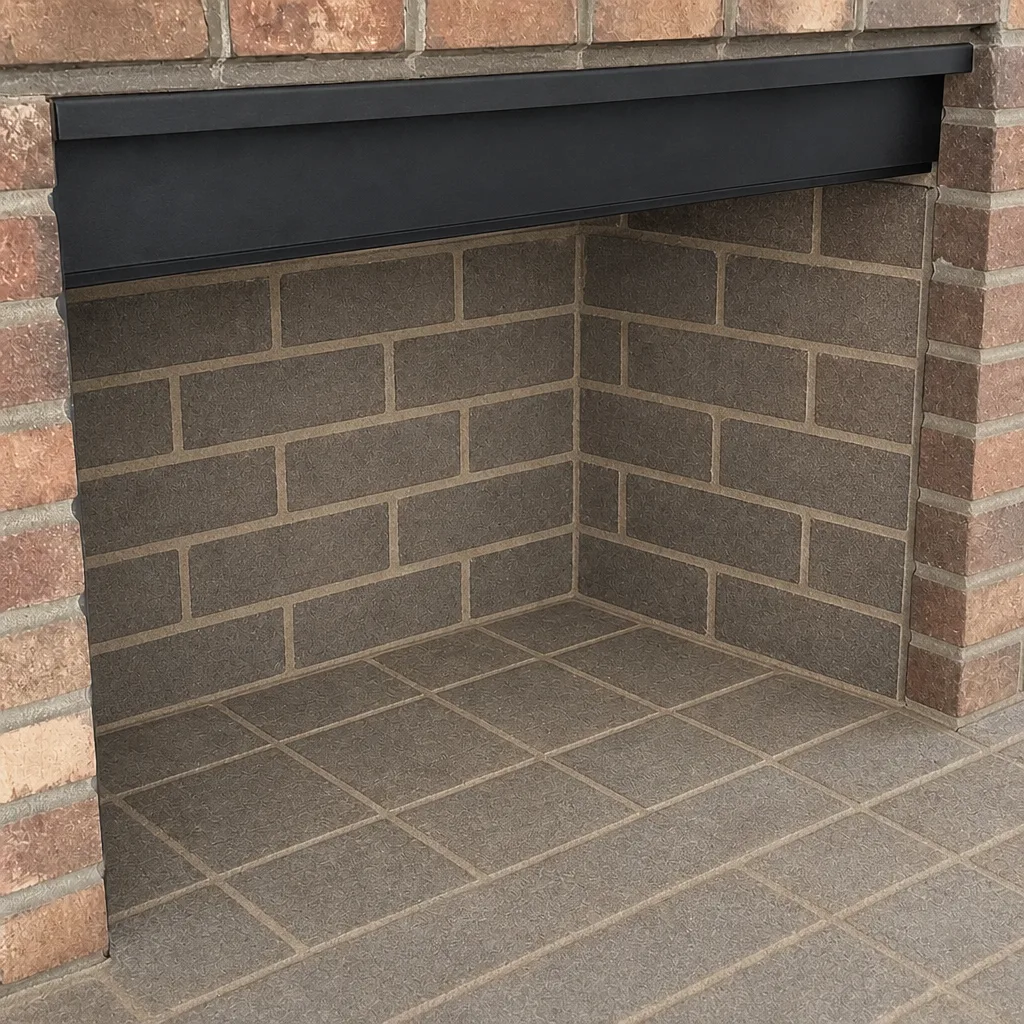
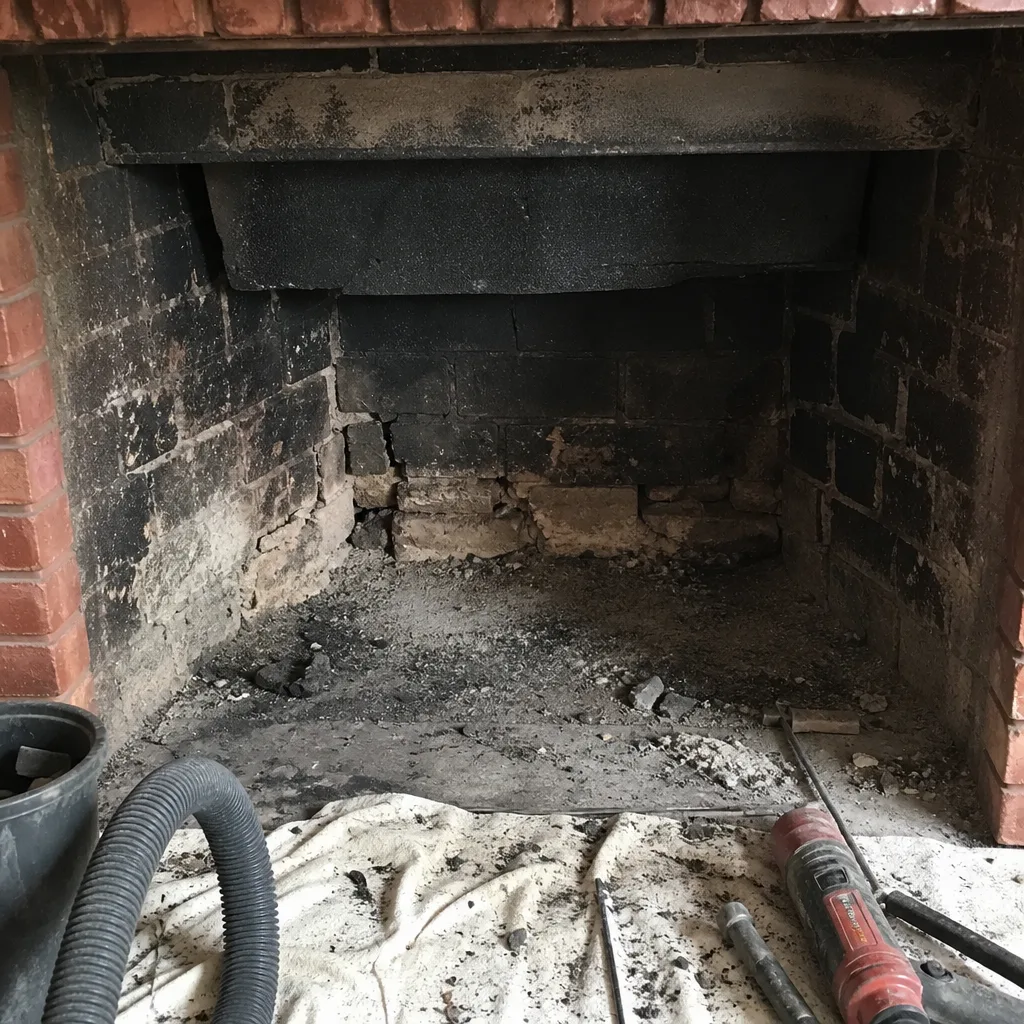
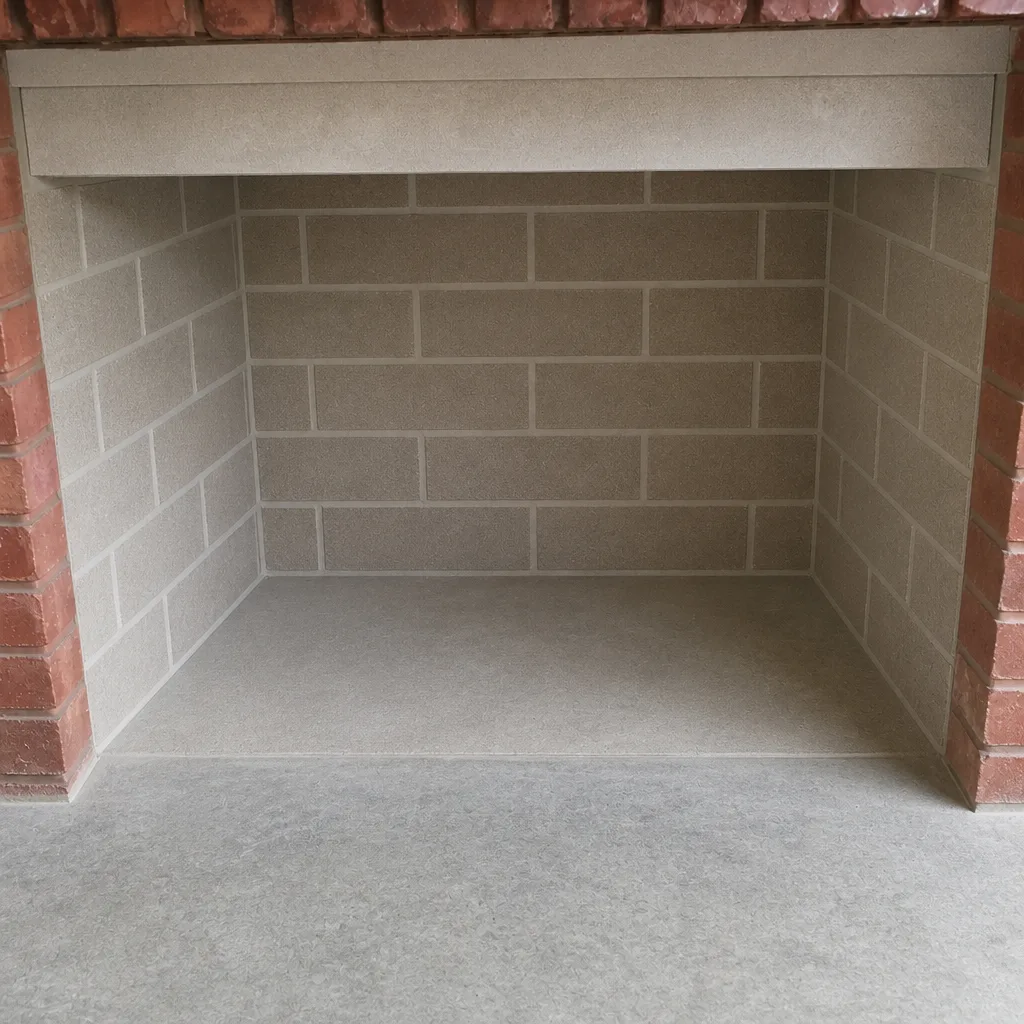
See the difference
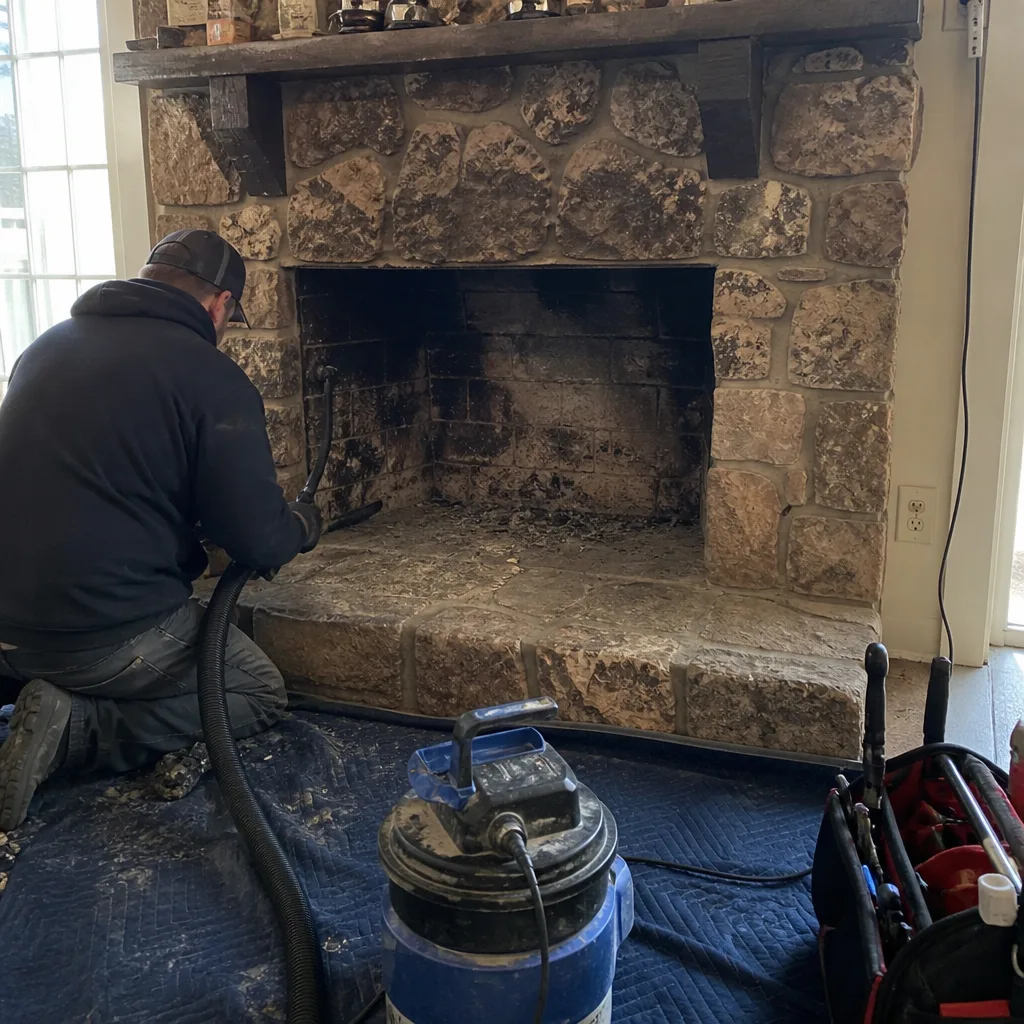 Before
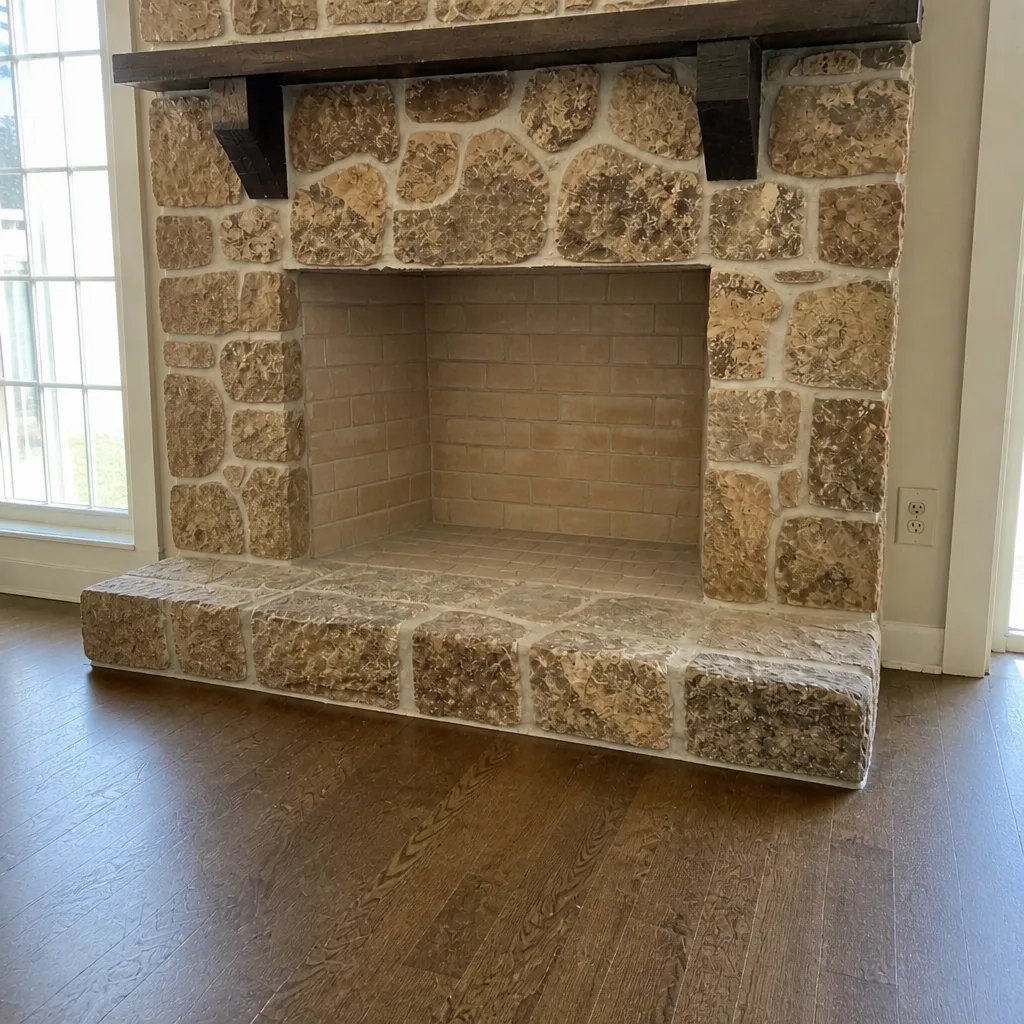 After
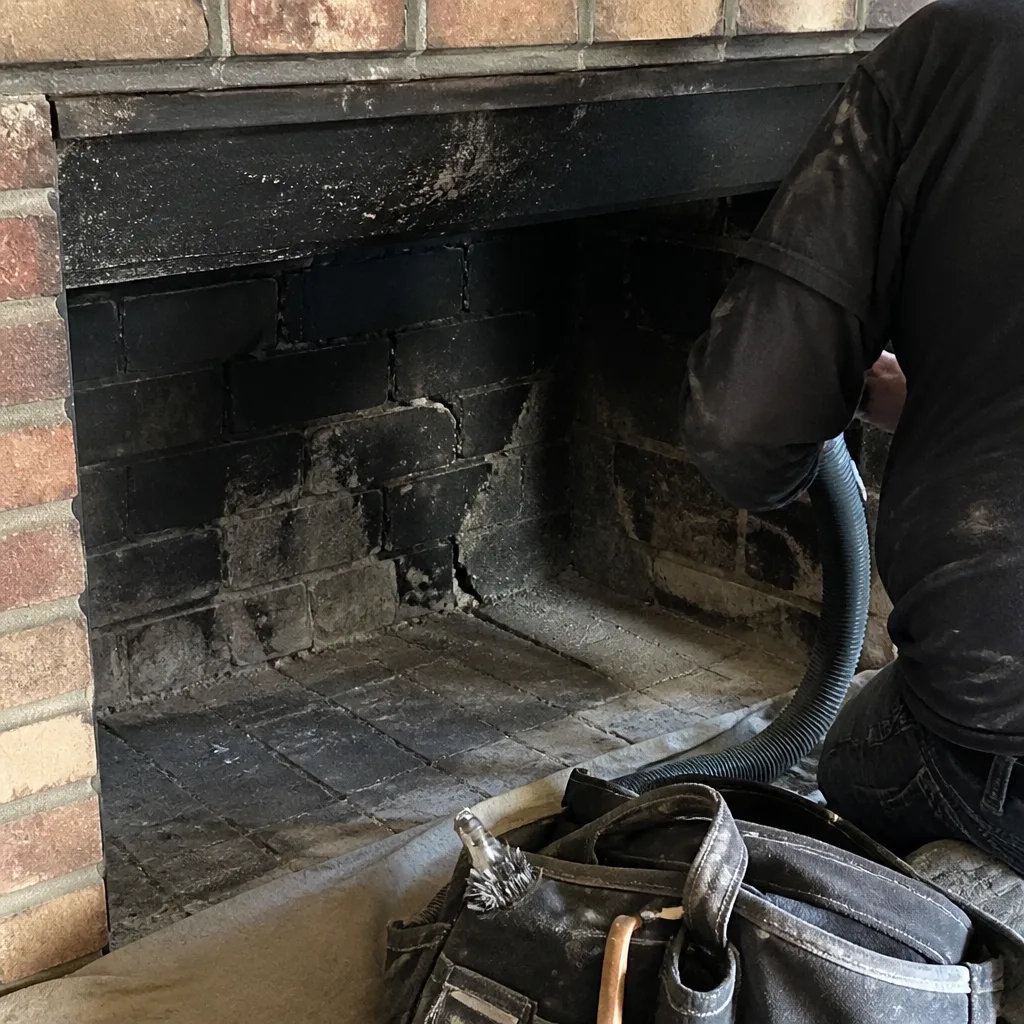 Before
 After
 Before
 After
When to Call a Professional
Call a professional if you’re buying or selling a Sandy home and the chimney’s condition is undocumented, if you’re installing a new insert or liner and need a permitted installation, if you’ve had a chimney fire or an earthquake event, or if the fireplace has been unused for years and you’re reactivating it. Call if you can see a cracked crown or crumbling mortar. And call if a home inspector has flagged the chimney and you need a documented inspection report rather than a verbal opinion. Sandy Chimney Sweep offers free estimates in Sandy – call (855) 658-5256. We answer 24/7. Fast dispatch from 7am to 7pm, Sunday through Friday. Estimates are free, and the price is set per job by the written estimate.
Frequently Asked Questions
No. Routine chimney cleaning and inspection don’t require a permit in Sandy, because they’re maintenance, not construction. A permit is typically required when you replace a liner, install a fireplace insert, change the flue configuration, or do structural chimney repairs. Call (855) 658-5256 if you’re unsure which category your work falls into.
Yes, in most cases. A liner replacement is construction work and generally requires a permit through Sandy City’s building department, with a city inspection after the work is done. Installing an unpermitted liner creates exactly the situation that surfaces during a home sale or an insurance claim. Call (855) 658-5256 for an exact quote – estimates are free.
A Level 1 inspection covers the readily accessible parts of the chimney without video scanning or opening anything up. A Level 2 adds accessible attics, crawl spaces, and a video scan of the flue, and it’s the inspection triggered by a home sale, a change of appliance, or a chimney event. Sandy home sales should reference a Level 2 report. Call (855) 658-5256 to book one.
It can. After a chimney fire, insurers investigate the installation, and unpermitted or non-code-compliant work can turn a covered loss into a coverage dispute. Having a permit record and a formal inspection report from before the loss puts you on much stronger footing. Call (855) 658-5256 to get your chimney documented.
Annually during continued use is the baseline, and a Level 2 inspection is triggered by a home sale, an appliance change, or an event like a chimney fire. Sandy’s cold winters and long heating season mean the fireplace works hard, and an annual inspection catches crown and mortar problems before freeze-thaw makes them worse. Call (855) 658-5256 – estimates are free.
Maybe, but you won’t know until a professional looks. A Level 2 inspection with a camera and photo report tells you exactly what the buyer’s inspector will find, before they find it. A formal inspection is the most useful pre-listing step a Sandy seller can take. Call (855) 658-5256 to schedule one.
You keep using a chimney whose condition is unknown, which is fine until it isn’t. Creosote accumulates, a crack in the flue goes unnoticed, and the first sign of a problem is the event itself. An annual inspection is the cheapest form of insurance a fireplace owner has. Call (855) 658-5256 for an exact quote.
The Bottom Line
The permit line in Sandy is simpler than it feels. Cleaning and inspection don’t need one; liner replacement, insert installation, and structural repairs do, and Sandy City enforces IRC Chapter 10 and the IFC at the local level. The inspection level you need depends on what’s happening – Level 1 for routine use, Level 2 for a home sale or appliance change, Level 3 when a serious hazard has to be opened up. The paperwork from any permitted job is the thing that protects you at resale and on an insurance claim, and it’s the first thing a buyer’s inspector or an adjuster will ask for. Get the inspection done before the first fire of the season, keep the records, and know what you’re working with. If you need a documented inspection or permitted repair in Sandy, the team at Sandy Chimney Sweep handles the full scope of chimney work from sweeping to chimney cap & crown installation to fireplace repair. Call (855) 658-5256. We answer 24/7. Fast dispatch from 7am to 7pm, Sunday through Friday. Estimates are free, and the written estimate sets the final price.
Written by the team at Sandy Chimney Sweep.