
Last updated November 25, 2026
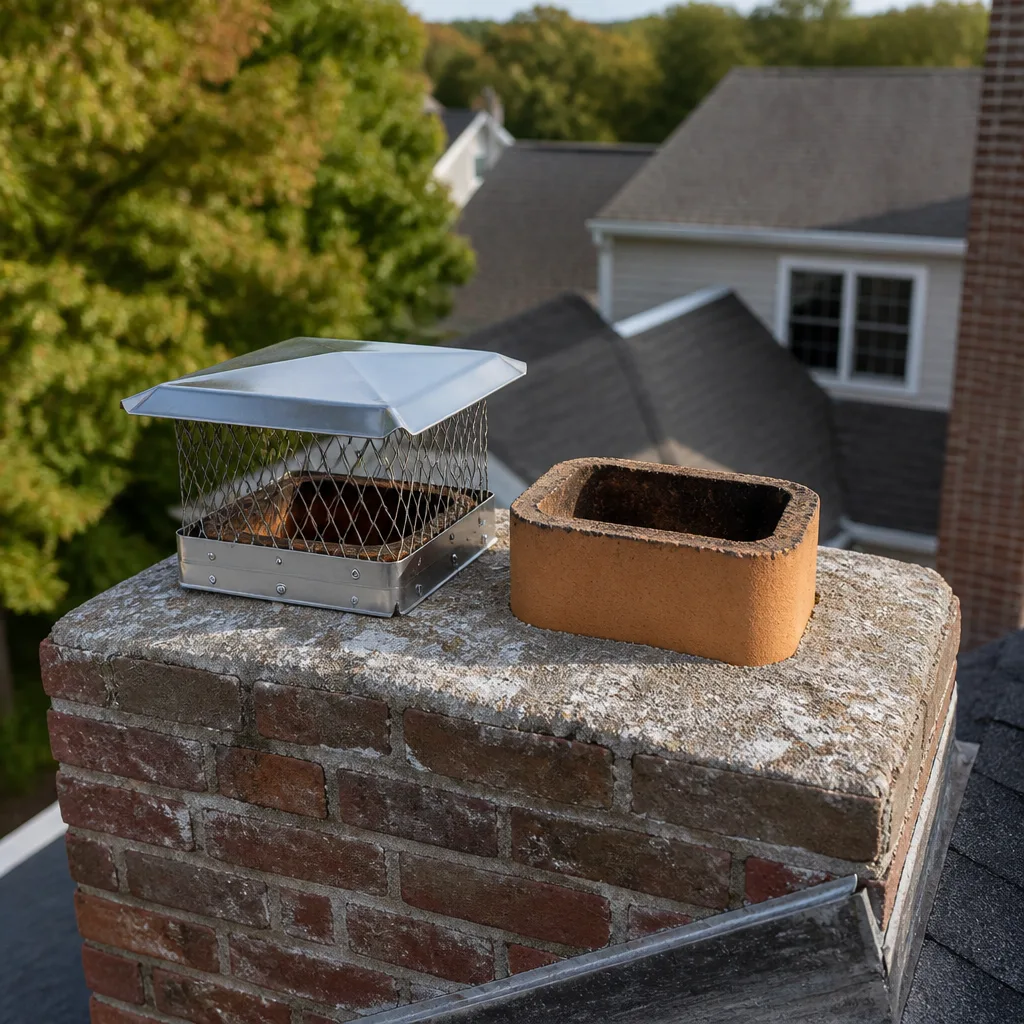 Sweep & inspection
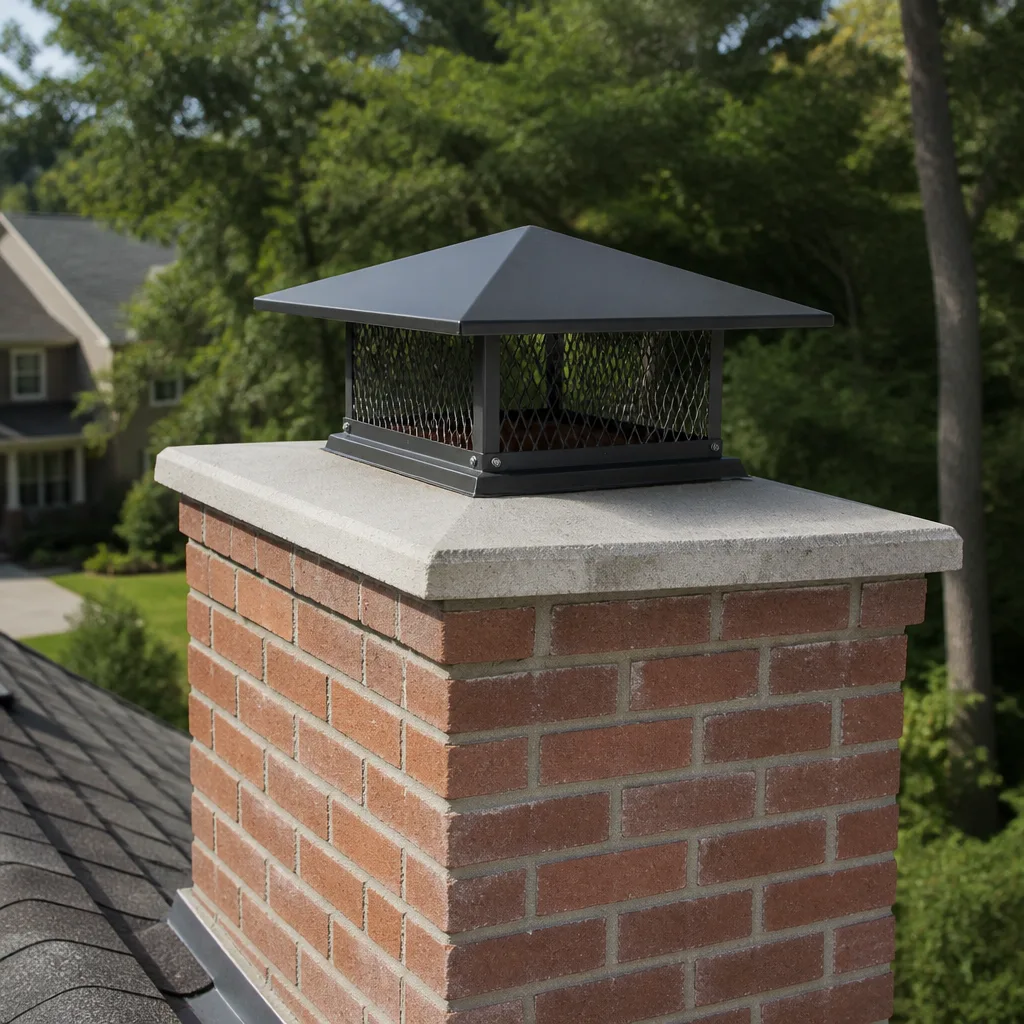 Caps & crowns
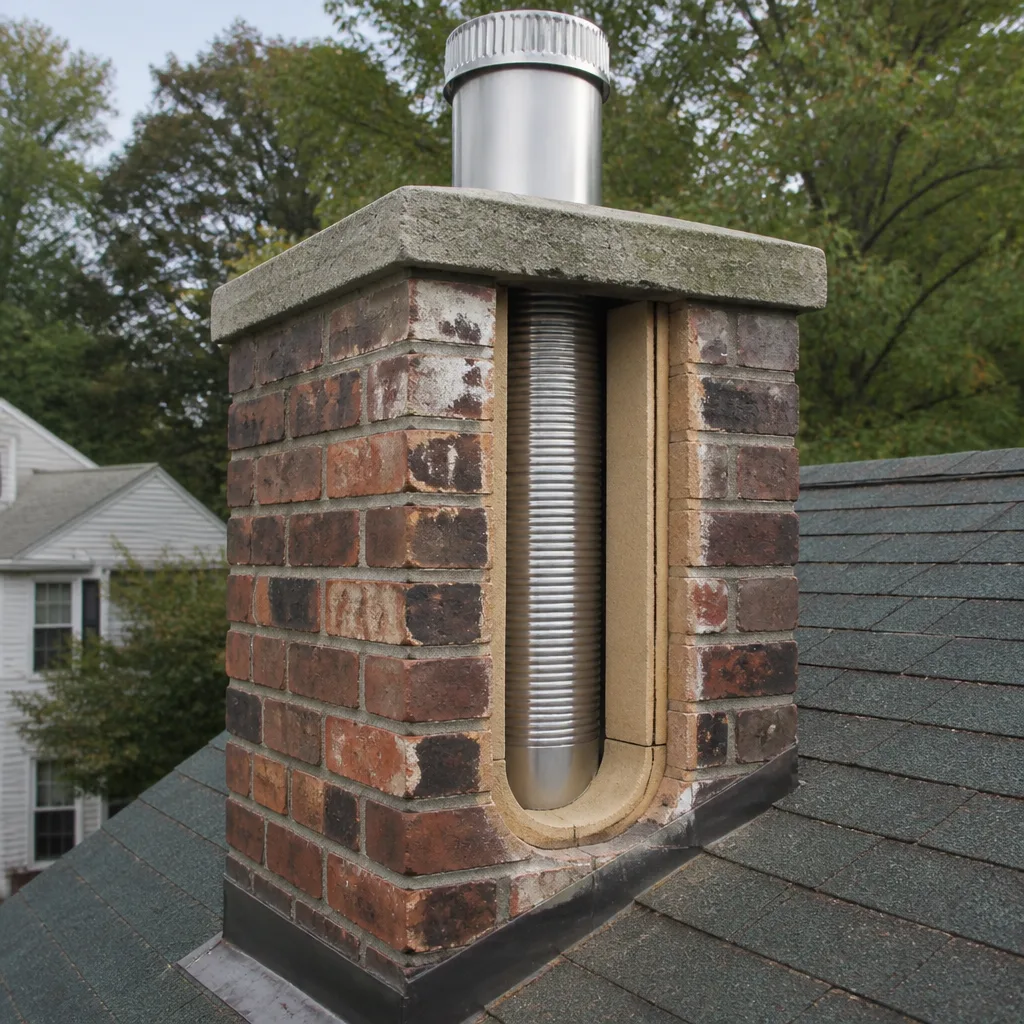 Flue relining
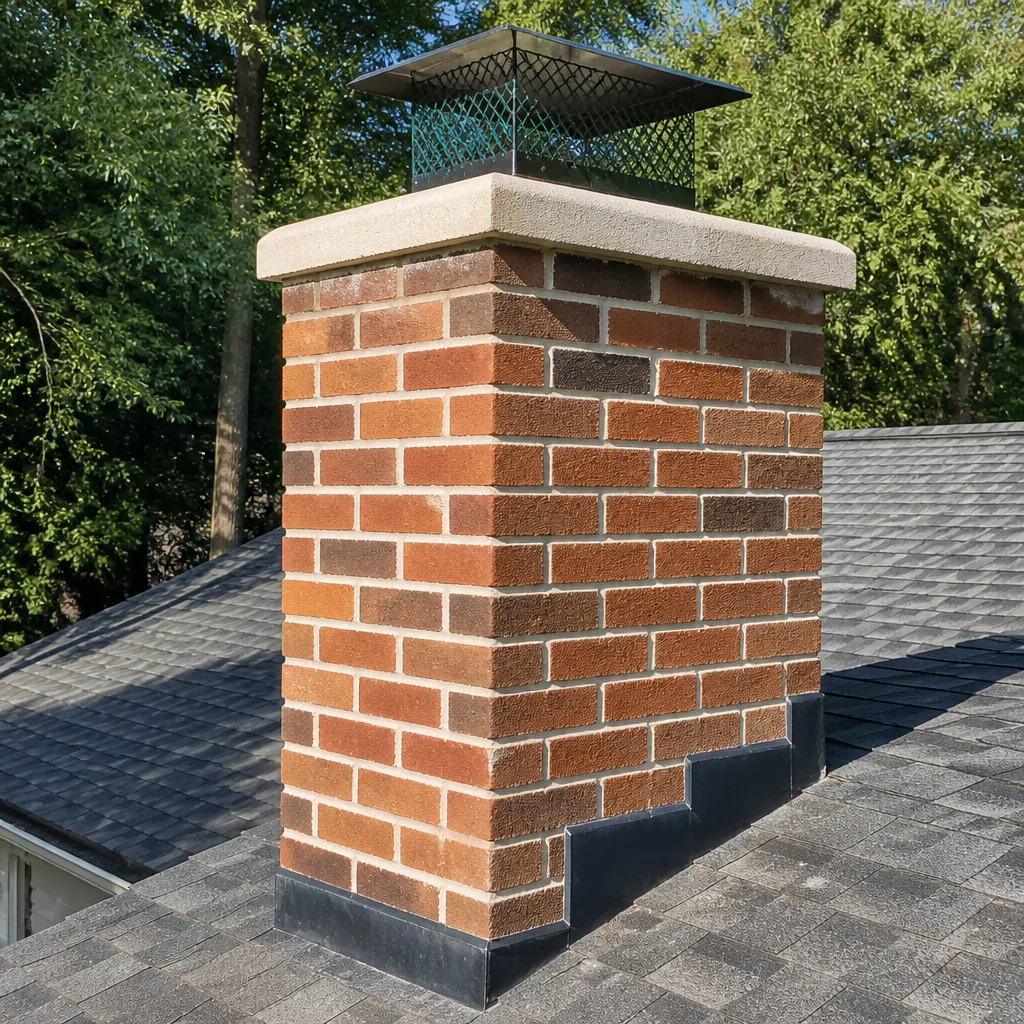 Masonry repair
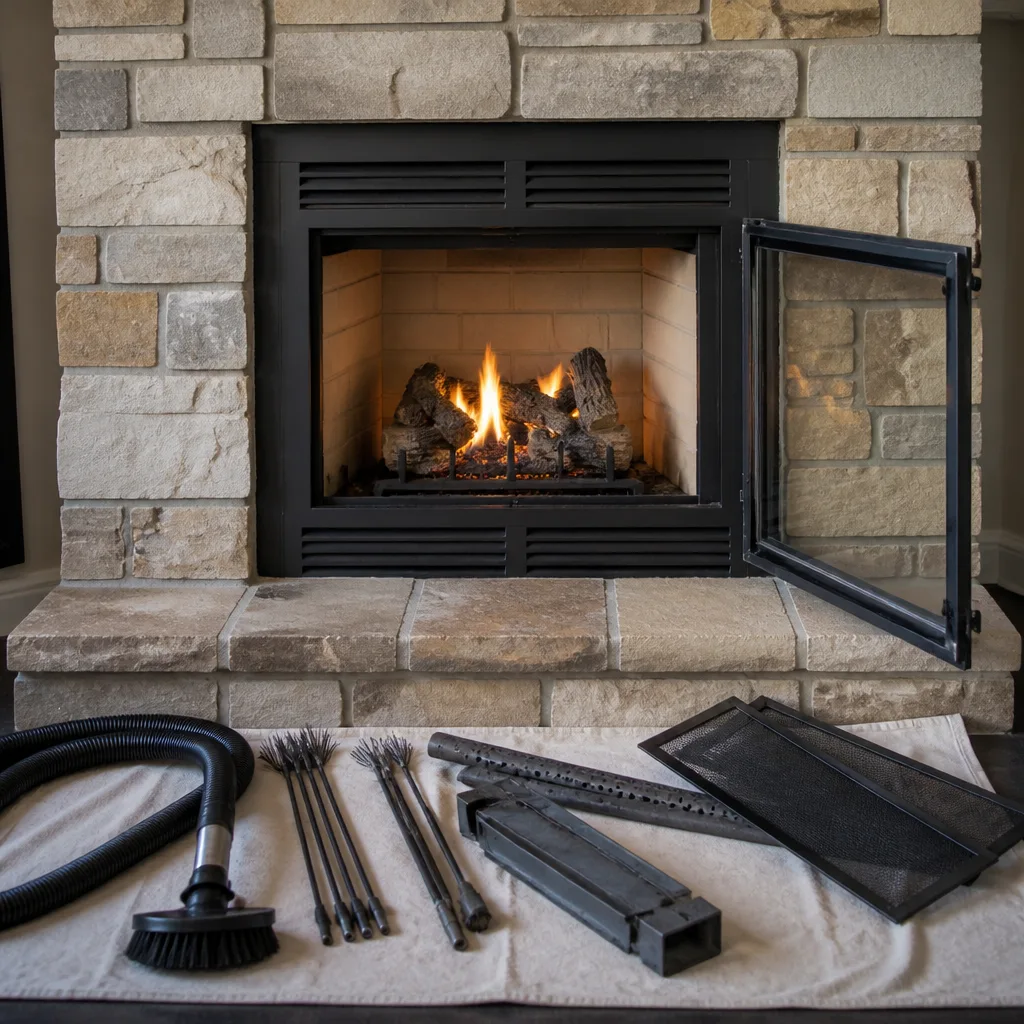 Gas fireplace service
Level 1 sweep and inspection to the NFPA 211 annual standard - flue, crown, cap, and flashing checked and photographed
Chimney sweep logs do not sweep chimneys. They loosen some creosote - which then falls where a brush and vacuum still have to collect it.
The Complete Guide to Chimney Cleaning in Sandy
Most chimney fires don’t start because a homeowner skipped cleaning. They start because the homeowner cleaned on the wrong schedule for how they actually burn. A family that lights a fire three nights a week and a family that runs the fireplace most evenings from October to March look the same on paper, but their chimneys accumulate creosote at very different rates. In Sandy, where winters are cold enough to keep wood stoves and fireplaces running hard for months and where the valley floor sits under a lid of cold air for days at a time, that gap matters more than most guides admit. This guide explains how chimney cleaning actually works in Sandy, what the standards mean for a real burning schedule, and how to tell a thorough cleaning from a quick pass.
Quick Answer
A proper chimney cleaning in Sandy means brushing and vacuuming the full flue, smoke chamber, and firebox with a sealed HEPA system, then performing a Level 1 inspection during the same visit to document what the sweep found. The chimney should be cleaned whenever creosote reaches about 1/8 inch, which for most Sandy households burning regularly means once a year, and more often if you burn softwoods or use the fireplace heavily through winter. A cleaning without an inspection tells you almost nothing about whether your chimney is ready for the next fire season.
Styles & brands we work with
- Sweep & inspection
- Caps & crowns
- Flue relining
- Masonry repair
- Gas fireplace service
Table of Contents
- Why Chimney Cleaning in Sandy Is Different
- How Often Should You Sweep a Chimney in Sandy?
- Understanding Creosote and the Annual Standard
- How Inversion Events Change Your Draft and Buildup
- Softwood vs. Hardwood: How Your Fuel Shapes Buildup
- Full-Scope Cleaning vs. a Surface Sweep
- What a Level 1 Inspection Includes and Why It Matters
- What Chimney Cleaning Costs in Sandy
Why Chimney Cleaning in Sandy Is Different
Sandy sits at the eastern edge of the Salt Lake Valley, tucked against the Wasatch foothills at an elevation around 4,500 feet. That elevation and geography produce burning conditions that a homeowner in a coastal city or a mild southern state will never deal with. During the colder months, the valley regularly traps a layer of cold air beneath a warmer layer above it, creating what’s commonly called an inversion. Smoke from wood fires doesn’t disperse the way it would in open country. It hangs close to the ground, and the weaker draw that comes with a cold, heavy atmosphere can cause smoke to linger inside the firebox longer than it should.
When smoke lingers, it cools. When it cools, it deposits on the walls of the flue. That’s creosote, and it’s the fuel behind most chimney fires. In our experience, this is why a Sandy home can accumulate creosote faster than the national average would suggest, even with a fireplace that drafts well on a clear day. The chimney doesn’t know what month it is. It only knows how much smoke passed through it and how long that smoke sat before it left the flue. In Sandy, more smoke sits longer, and the buildup follows.
The other local factor is lifestyle. Sandy is a wood-burning town. Fireplaces and inserts get used hard through the cold months, and a lot of homes have an older chimney that was built for a style of use that doesn’t match how the fireplace runs today. Add the steep temperature swings along the bench of the foothills, and the chimney goes through more expansion and contraction than a chimney in a gentler climate. Cracks in the crown and hairline mortar joints open up a little faster. We’ll cover how that connects to your cleaning schedule further down.
How Often Should You Sweep a Chimney in Sandy?
The short answer: most Sandy households with a regularly used fireplace should sweep once a year, but “once a year” is a floor, not a ceiling. The NFPA 211 standard that chimney professionals follow calls for cleaning “at least annually,” and inspection whenever conditions suggest it. That phrase is doing more work than most homeowners realize. “At least annually” is a baseline for a household that burns casually. It’s not a schedule that fits a home burning three or more cords of wood per season.
Here’s how to translate it to your actual burning:
- Light use (under one cord per season, occasional fires): An annual sweep at the start of burning season is usually enough.
- Regular use (1 – 2 cords per season): Annual sweep, and ask for a visual check of the flue midsection during the sweep.
- Heavy use (3 or more cords per season): Plan on two cleanings, one before the season starts and one about mid-season. Creosote can build past the 1/8-inch threshold inside a single winter at this burn rate.
- Inserts and stoves: These burn hotter and more efficiently but still accumulate creosote, and their shorter flues can reach the threshold quicker. Treat them with the same rules above.
- New-to-you home or a fireplace coming out of retirement: Sweep and inspect before the first fire, no matter what the previous owner said.
For a Sandy home, elevation and how tight the house envelope is both factor in. A tightly sealed newer home can pull weaker draft on mild days, which increases smoke dwell time. On the other side, a very windy day on the bench can produce strong downdrafts that overwhelm a short chimney. Either way, the creosote load goes up, and the cleaning schedule should reflect it. When we do a chimney sweep, we’re measuring against that 1/8-inch standard, not counting calendar pages.
Understanding Creosote and the Annual Standard
Creosote comes in three forms, and each one tells you something different about your chimney. Knowing them helps you understand what a sweep reports back to you.
- Stage 1: Soot and light, flaky deposits on the flue walls. Easy to brush, common with efficient burns and good draft. This is the stage you want to stay in.
- Stage 2: Denser, crumbly, sometimes tar-like deposits. This stage is where fires start. It ignites at lower temperatures than you’d expect, and it can be stubborn to remove with a standard brush.
- Stage 3: Glazed, hardened deposits that look like black glass and are practically welded to the flue. Removal usually needs specialized tools or chemical treatment, and this stage is where liner damage is most likely to be found underneath.
Most cleaning problems in Sandy come from Stage 2 buildup that nobody checked for. The homeowner does a brush pass on the easy upper section of the flue, where soot is visible, and misses the dense deposit near the smoke chamber that has quietly formed at the base. When a sweep works a chimney properly, they brush the full run of the flue from the top down, follow with a vacuum on the firebox, and check the smoke chamber and the damper area where buildup hides. That’s what separates a cleaning that removes the risk from one that just improves the view.
The other thing to know about creosote: it doesn’t just create fire risk. It restricts the flue. A flue that was sized correctly when the chimney was built can lose effective cross-section to heavy buildup, which weakens draft. That’s how you wind up with a fireplace that smokes into the room on the coldest evenings of the year. A cleaning often solves that problem on its own. If you’re seeing smoke roll out under certain weather conditions, it’s worth getting the flue checked before you assume the fireplace is the problem.
How Inversion Events Change Your Draft and Buildup
Inversions are a Sandy-specific factor that most chimney guides ignore entirely, and they’re a big piece of why local cleaning schedules don’t look like a generic national recommendation. When cold, dense air settles over the valley and warmer air above caps it, the pressure at the top of your chimney changes. Draft depends on the flue being warmer than the outdoor air, and inversions play with that temperature difference.
The effect on your burn:
- Smoke moves more slowly up the flue, so it has more time to cool and deposit creosote on the walls.
- Cold air can push down the chimney on breezy days during a strong inversion, producing a puff of smoke into the room when the fire is first lit.
- Wood burns less cleanly when draft is weak. Smoldering logs produce far more creosote than a hot fire with good air flow.
What we tell homeowners in Sandy during inversion weeks: keep a hot fire and don’t let the logs smolder all evening. A dense, smoky fire that never gets enough air is the fastest way to accelerate buildup. Use dry, seasoned wood, make sure the damper is fully open at startup, and warm the flue with a small, quick fire before loading the box. If your fireplace backs up consistently during inversions, that’s a draft problem worth investigating, not a wood problem. A proper inspection tells you whether the flue is restricted by buildup, undersized for the fireplace opening, or sitting too low relative to the surrounding roofline.
The neighbors around Sandy, especially higher up toward the foothills, tend to have more chimney height and less inversion trouble than homes on the valley floor. The difference isn’t dramatic, but it’s real. If you’re in a low-lying part of the city and you burn a lot, plan for the more aggressive cleaning schedule. Even a short chimney can perform well and still load up faster than one with a longer run.
Softwood vs. Hardwood: How Your Fuel Shapes Buildup
Utah’s firewood mix tends toward pine, cedar, and other softwoods, often mixed with harder species depending on what a homeowner can get locally. This matters more than most people think. Softwoods carry more resin and burn faster and hotter, but they also produce different creosote profiles than hardwoods do. Pine in particular produces a lot of fine, sticky soot that coats the flue more heavily per cord than oak or maple would.
The practical upshot for a Sandy household:
- Pine-heavy fuel calls for a more frequent sweep, and likely a mid-season check, because the sticky stage of creosote builds quickly.
- Mixed wood is common and reasonable, but softwood-heavy loads toward the end of the season create a spike in buildup that a spring cleaning needs to catch.
- Well-seasoned wood (low moisture) burns cleaner and produces less creosote than green or unseasoned wood. Softwood that’s been split and dried works well; softwood that’s wet is a problem.
The most important point is not to save money by pushing your burning schedule into the spring or trying to stretch limited wood through a cold snap. Wet or poor-quality wood in a weak-draft situation is the worst possible combination for creosote. If you notice a strong, pungent creosote smell in the room or the flue, that’s a sign the deposits are building and it’s time for a sweep.
Hardwood does not exempt you from the annual sweep. It just changes the interval slightly and the character of the deposits you’re removing. The only way to know what’s actually in your flue is to look at it. An inspection with a camera shows you the buildup stage and gives you something to schedule your next cleaning against.
Full-Scope Cleaning vs. a Surface Sweep
This is the most important distinction in this guide. A full-scope cleaning covers everything that contributes to a safe burn, from the firebox up through the crown. A surface sweep touches the flue and leaves the rest. Most homeowners can’t tell the two apart until the winter after, when the fireplace starts smoking or a fire starts in the wrong place.
What a full-scope cleaning includes:
- Brushing the entire flue from the top of the chimney down through the smoke chamber.
- Cleaning the firebox walls and floor of soot, ash, and creosote deposits.
- Clearing and checking the damper and its frame for operation and buildup.
- Inspecting the smoke chamber, a common hiding spot for dense stage 2 deposits.
- Vacuuming the firebox and surrounding area with a sealed HEPA vacuum so you don’t find soot on the furniture after we leave.
- A visual evaluation of the cap, crown, and exterior mortar joints from the roof or ladder.
- Documentation of what the sweep found, including any necessary repairs and photographs where relevant.
What a quick surface sweep misses:
- The smoke chamber, which often holds the heaviest deposits.
- The damper mechanism, which can seize or fail and need fireplace repair.
- Exterior cracks in the crown, which let water into the flue and damage the liner.
- Any single sign that a liner repair or cap replacement is needed before it becomes more expensive.
When someone calls and asks how much a chimney cleaning costs, we usually say the cleaning itself is straightforward, but the inspection is what protects the homeowner. A sweep that doesn’t include a full look at the flue and crown isn’t a proper clean. Full-scope capability is what lets us handle the follow-up within the same appointment when we find a problem.
What a Level 1 Inspection Includes and Why It Matters
A Level 1 inspection is the standard inspection that pairs with a routine cleaning. It covers the readily accessible parts of the chimney and is designed to establish the chimney’s current condition. It’s not a sales tool. It’s the documented baseline you can reference for insurance, for real estate transactions, or for planning maintenance across the coming burn season.
What a Level 1 inspection typically covers:
- The firebox and damper: condition of the firebox walls, damper function, and any sign of a broken or missing component.
- The flue: visible buildup, damage, or blockage. Camera inspection where the flue interior isn’t fully visible.
- The smoke chamber and smoke shelf: buildup and any structural issues.
- The chimney exterior: cap, crown, mortar joints, and flashing where visible.
- The appliance connection: how the fireplace, stove, or insert connects to the flue.
Why this matters for a Sandy homeowner: fires are not the only safety issue in a chimney. Carbon monoxide is. A blocked or damaged flue can let combustion gases into the home without any visible sign that something is wrong. The only way to know is to look. A formal Sandy Chimney Sweep inspection includes documentation of what was found, so you have a reference when you’re deciding whether a repair should happen now or can wait until next season. We tell homeowners plainly when work can be scheduled later, and when it shouldn’t wait.
An inspection is also not the same as a fireplace cleaning. If you’re reactivating a fireplace that has sat unused for years, or if you’re in a home with an insert whose flue was never properly inspected when it was installed, a Level 1 inspection plus a sweep is the starting point. For anything more involved, a Level 2 inspection with a camera is the next step, and it should be part of purchasing a home with an existing fireplace.
What Chimney Cleaning Costs in Sandy
Chimney cleaning pricing in Sandy depends on the flue configuration, how much buildup it holds, and whether the chimney has a wood insert or a straight masonry fireplace. A fireplace that hasn’t been cleaned in several seasons takes longer and needs more specialized work than one on an annual schedule. The written estimate you receive before booking is the final price; we don’t sell a cleaning based on a phone number that changes on arrival.
Typical categories homeowners ask about:
- Routine annual chimney cleaning: based on a standard single-flue masonry fireplace.
- Mid-season or heavy-buildup cleaning: more time, sometimes more than one pass to get past stage 2 deposits.
- Cleaning plus Level 1 inspection: the combination most homeowners book, since the inspection is what gives you information about the rest of the chimney.
- Chimney sweep with insert or stove: a different flue configuration and a different process, priced separately.
- Any repair work found during cleaning: priced on its own after the inspection, never bundled into the sweep without explanation.
We don’t publish flat prices here because the honest answer depends on your chimney, not on a standard meter. The estimate is free, and the price is set per job by the written estimate. What we do commit to is this: nothing gets recommended without camera evidence you can see for yourself, and the report you receive after the inspection shows what was found. If a repair can safely wait, we say so. If something needs attention before the next fire, we’ll show you why.
Cost also connects directly to what’s inside the chimney. A flue that’s been maintained annually is a routine clean. A flue that has been run hard for several seasons with softwood fuel may have glazed deposits that need more than a brush. That’s not a sales tactic; it’s what the deposit stage actually tells us. When the work is done, the report will show you the before-and-after condition of the flue, the crown, and the smoke chamber.
Common Mistakes to Avoid
- Burning only softwood and assuming the annual sweep covers it. Pine and cedar in Sandy produce a heavier sticky creosote that a once-a-year pass can miss in a mid-winter chimney. If you burn mostly softwood, talk to us about the schedule.
- Skipping the sweep because the fireplace “drafts fine.” Good draft is a sign the chimney is working, not that it’s clean. Stage 2 deposits hide in the smoke chamber and along the flue walls where draft doesn’t feel them yet.
- Buying a “cleaning” that doesn’t include the smoke chamber or damper. A surface sweep is easy to sell and leaves the most dangerous deposits in place. Ask what’s included before you book.
- Ignoring the crown and cap through the winter. A cracked crown lets water into the flue, which damages the liner and mortar over the season. A proper chimney cap & crown installation or repair before the first freeze prevents a very different kind of repair bill in spring.
- Burning unseasoned wood to stretch the woodpile. Wet wood smolders and produces far more creosote than dry wood. It’s the fastest way to turn a routine sweep into a heavy-buildup cleaning.
- Skipping the inspection during cleaning. Cleaning without a Level 1 inspection leaves you with a cleaner flue and no information about the crown, cap, or liner. The inspection is the part that protects the home.
- Assuming a fireplace insert is exempt from cleaning. Inserts can build creosote just as fast as an open fireplace, sometimes faster, because their flue is shorter and the smoke dwell time is longer.
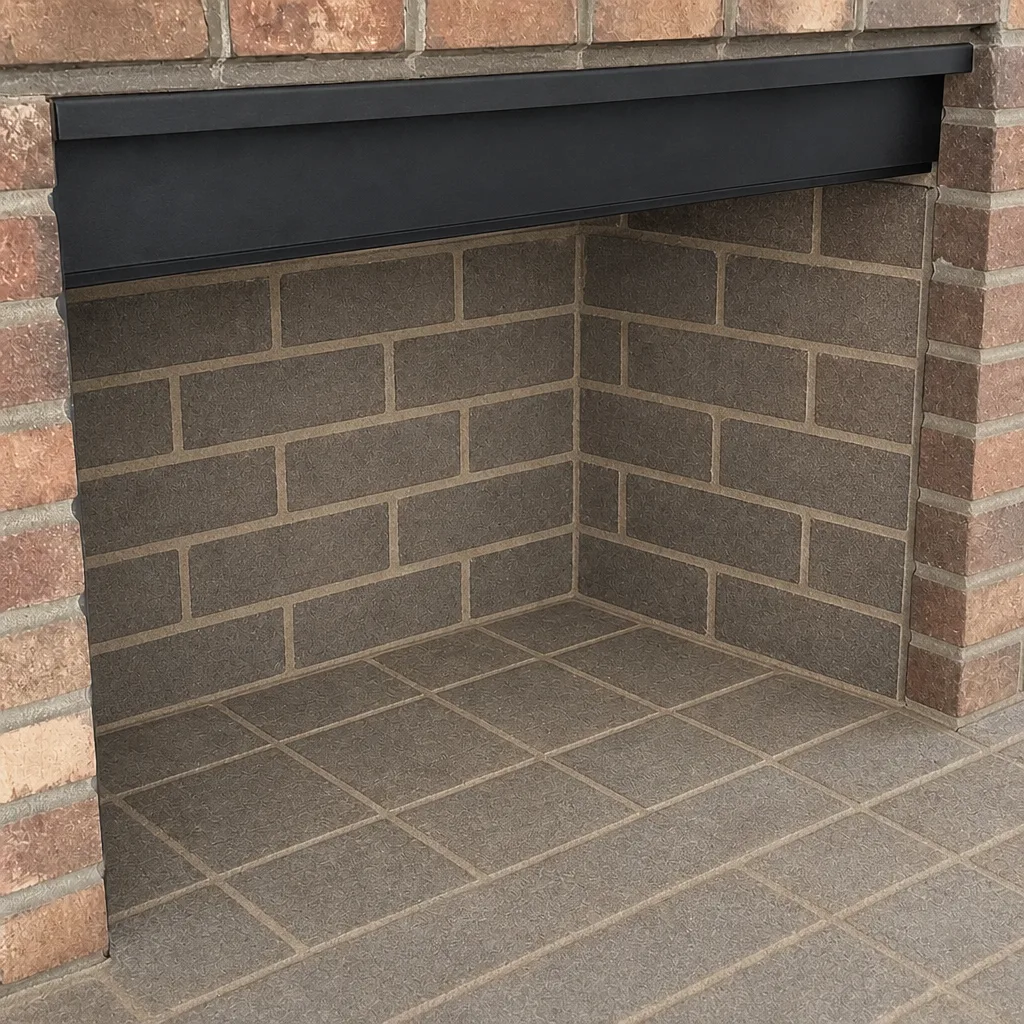
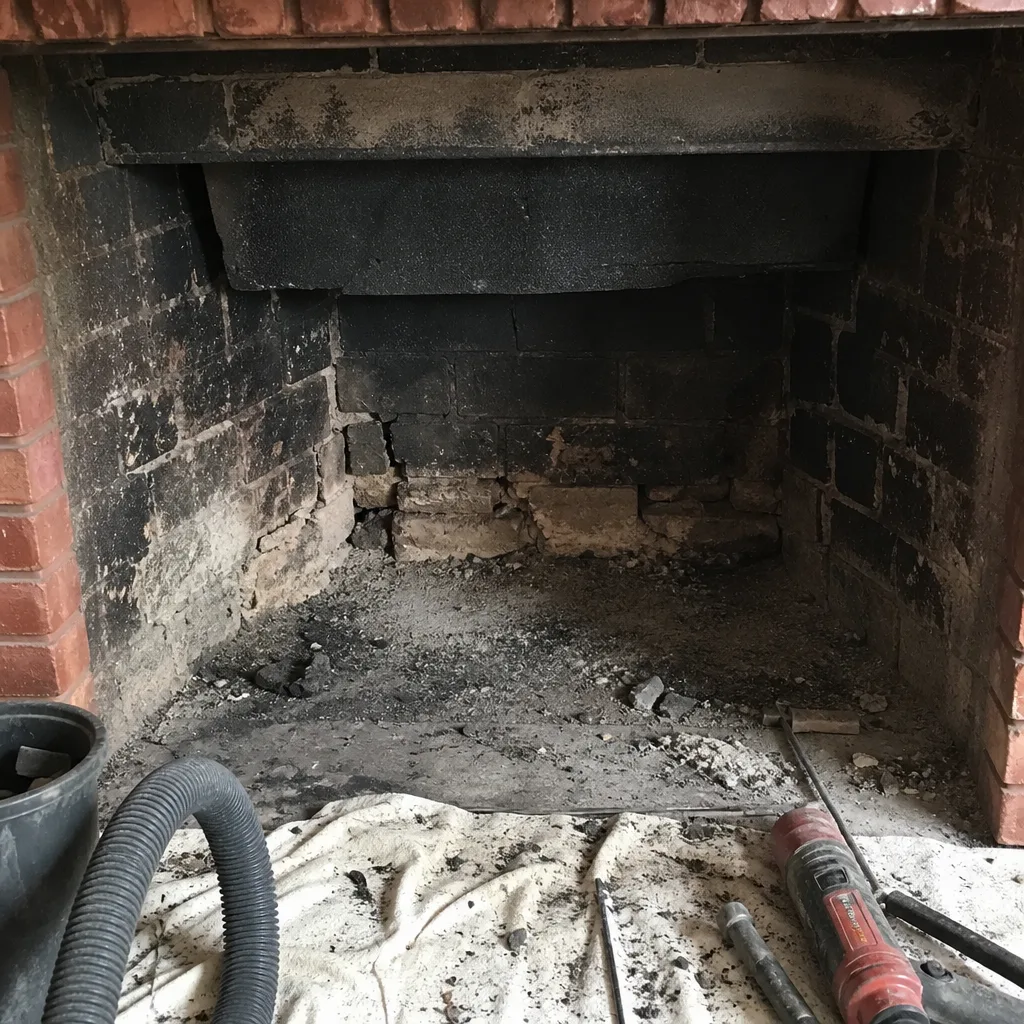
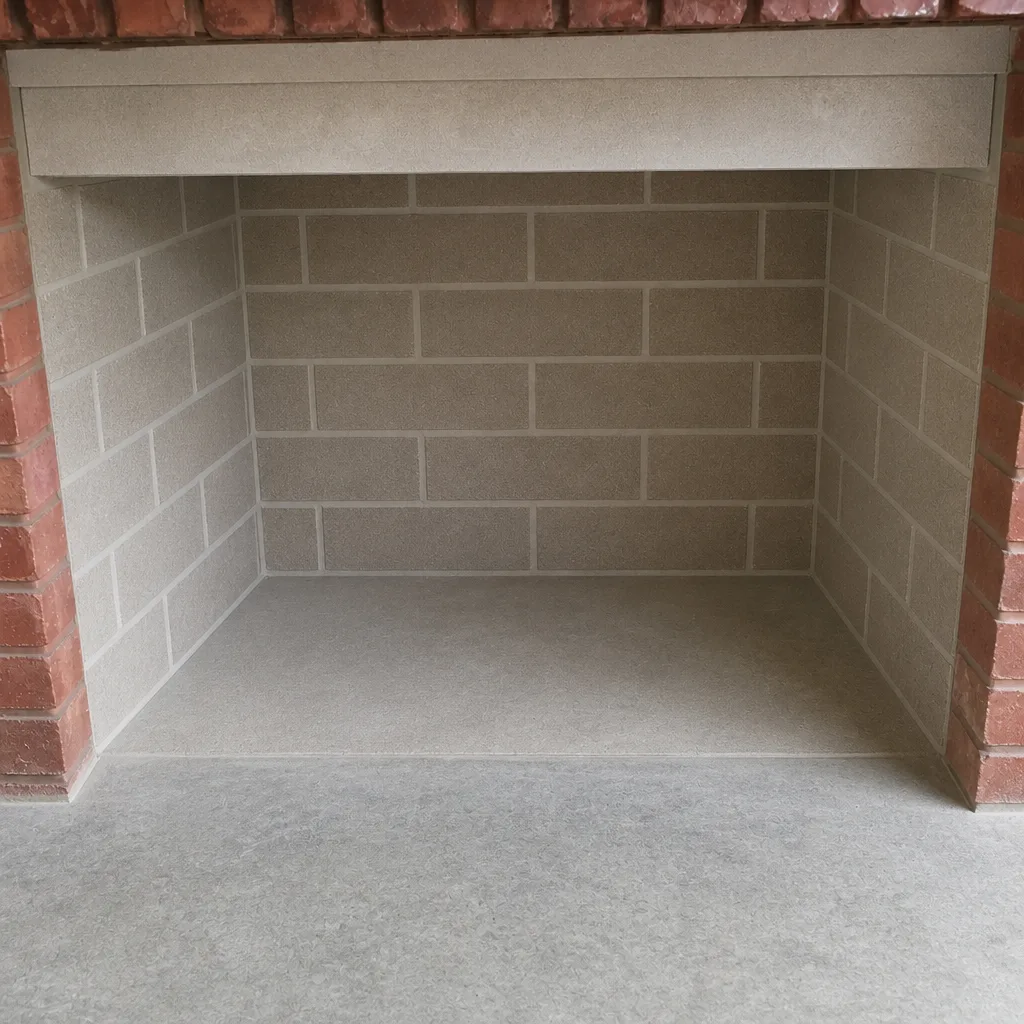
See the difference
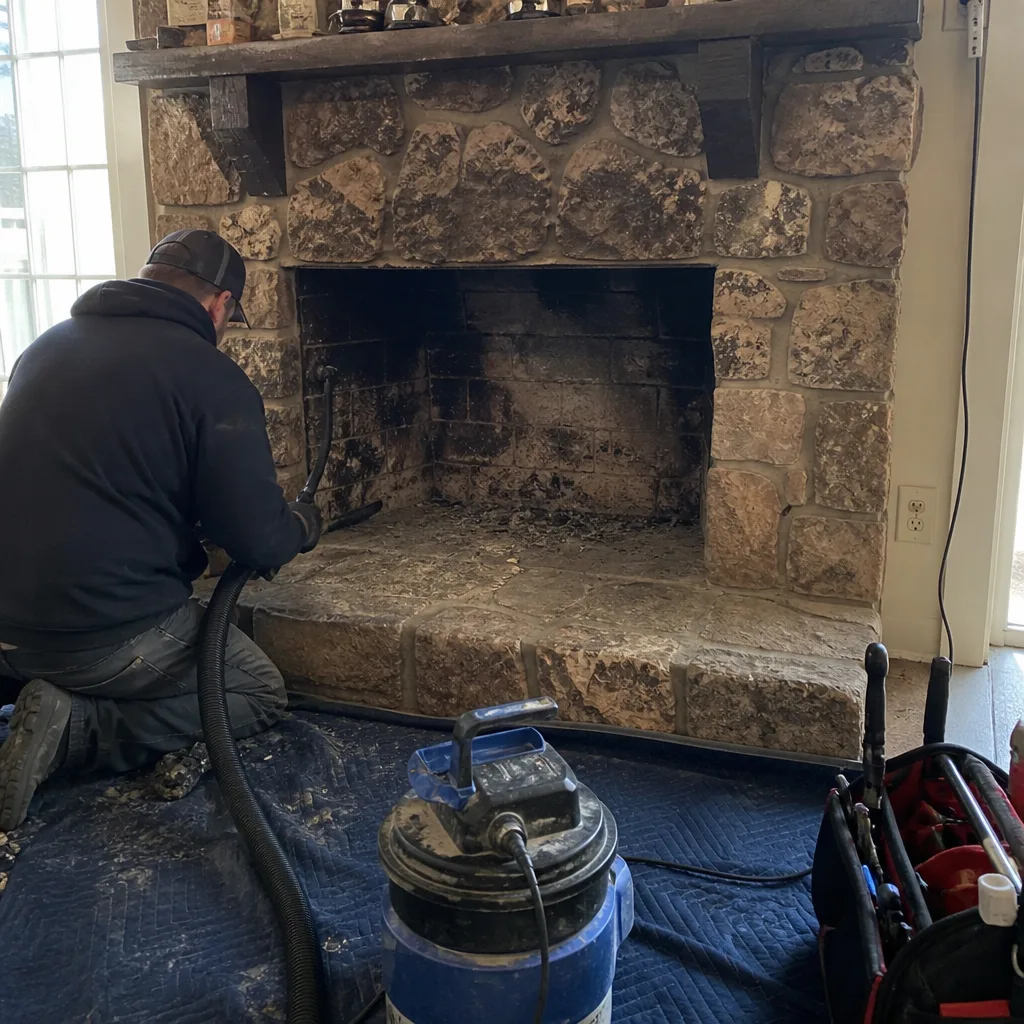 Before
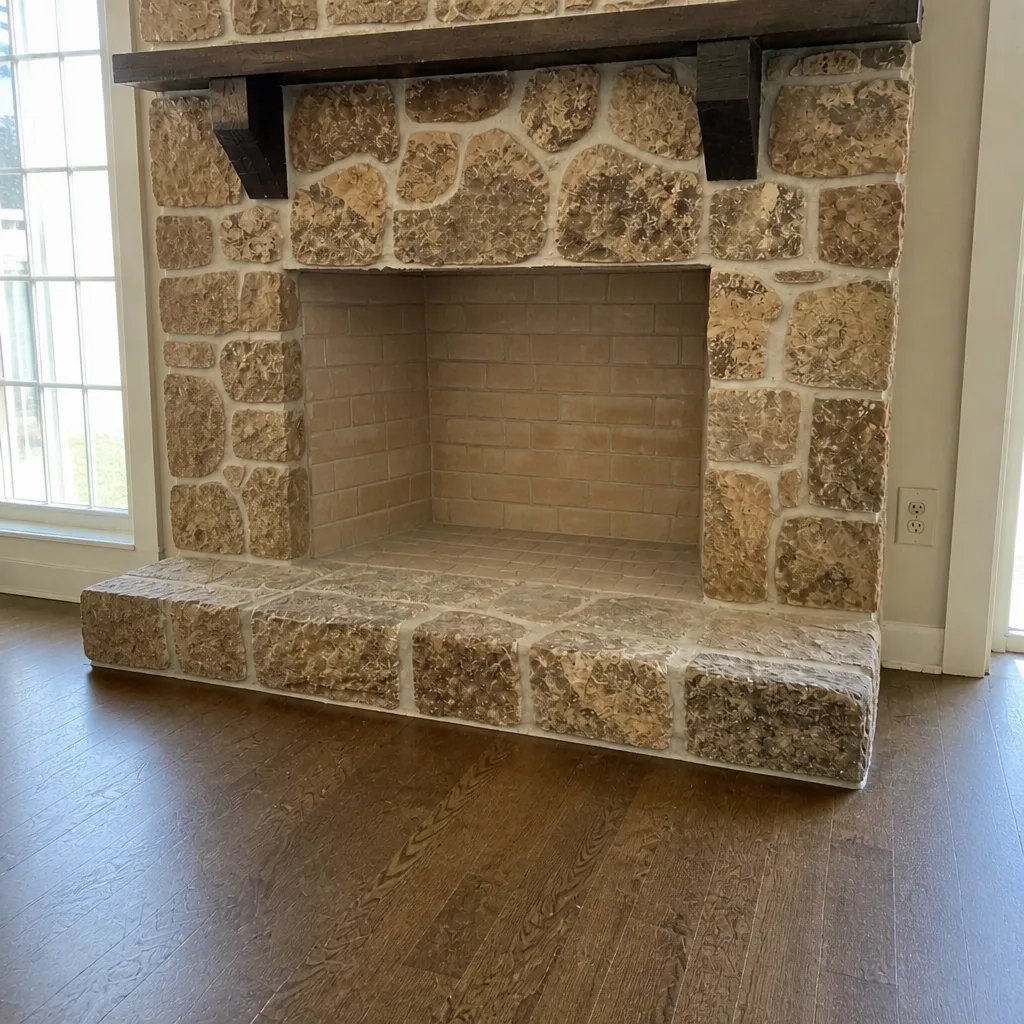 After
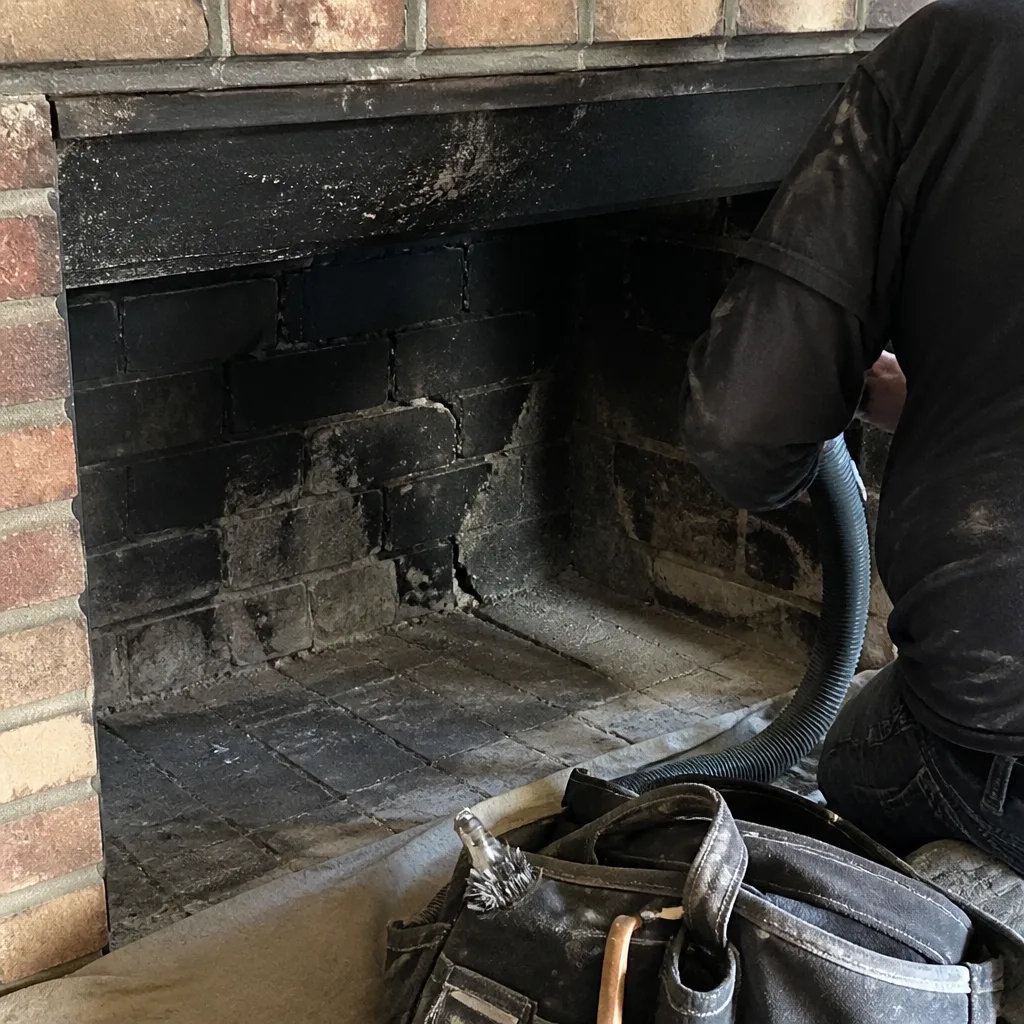 Before
 After
 Before
 After
When to Call a Professional
Call a professional chimney specialist when you notice smoke rolling into the room on a cold evening, when the creosote smell is strong in the firebox even after cleaning, when you see cracked or loose mortar on the chimney exterior, or when your fireplace has sat unused for more than a year and you’re ready to light it again. Any sound of a chimney fire, a rumble or a roar from the flue, or a strong burning smell inside the home is a reason to stop using the fireplace and call immediately. Sandy Chimney Sweep offers free estimates in Sandy. Call (855) 658-5256. We answer 24/7. Fast dispatch from 7am to 7pm, Sunday through Friday.
Frequently Asked Questions
Chimney cleaning in Sandy is priced per job based on the flue configuration, the amount of buildup, and whether an insert or stove is involved. The estimate is free, and the written estimate you receive before booking sets the final price. Booked with a Level 1 inspection, the visit gives you both a clean flue and a documented condition report. Call (855) 658-5256 for an exact quote – estimates are free.
At minimum once a year if you use the fireplace regularly, and twice a year if you burn three or more cords of wood per season. Sandy’s elevation, inversion weeks, and softwood-heavy firewood mix all push buildup faster than a mild climate would. The standard is based on creosote thickness, not the calendar, so a sweep should always measure the flue before declaring it clean. Call (855) 658-5256 to schedule a sweep before the season starts.
Not always. A liner inspection is what tells you whether a full replacement is actually necessary, and in some cases ceramic resurfacing can restore a damaged liner without the cost of a full reline. We recommend nothing without camera evidence you can see, and we’ll tell you plainly when a repair can wait. Call (855) 658-5256 for a documented assessment.
A sweep is the physical cleaning of the flue and firebox. A Level 1 inspection is the assessment that documents the condition of the chimney beyond what’s being cleaned. A proper service visit usually includes both, because a cleaning without an inspection gives you a cleaner chimney with no information about the crown, cap, or liner.
Yes. Pine and other softwoods carry more resin and produce a stickier creosote deposit than most hardwoods. That doesn’t mean you can’t burn pine, but it does mean the annual sweep should account for it. A mid-season check is worth considering if your winter woodpile is mostly pine or cedar. Call (855) 658-5256 to plan a schedule around your actual fuel.
Creosote keeps building until it reaches a stage where a chimney fire is possible, and the flue begins to lose effective draft. Cracks in the crown or mortar allow water to get in, which damages the liner over a season or two. Skipping a year occasionally is not a disaster, but skipping several in a row is how small repairs turn into structural work. Call (855) 658-5256 for a free estimate and a documented condition report.
The Bottom Line
Chimney cleaning in Sandy isn’t a generic errand to check off in fall. The altitude, the inversion weeks, the softwood-heavy firewood, and the way Sandy households actually burn through winter all point to the same conclusion: the standard once-a-year sweep is a floor, not a guarantee. If you burn regularly, get the sweep plus the Level 1 inspection, ask what the flue actually looked like, and let that report guide your schedule. A cleaning without inspection leaves you with a cleaner chimney and no real information. A cleaning with inspection gives you something you can act on before the first fire of the season. We inspect it, we explain it, we fix it right.
Call (855) 658-5256 for a free estimate. We answer 24/7. Fast dispatch from 7am to 7pm, Sunday through Friday.
Written by the team at Sandy Chimney Sweep.