
Last updated November 25, 2026
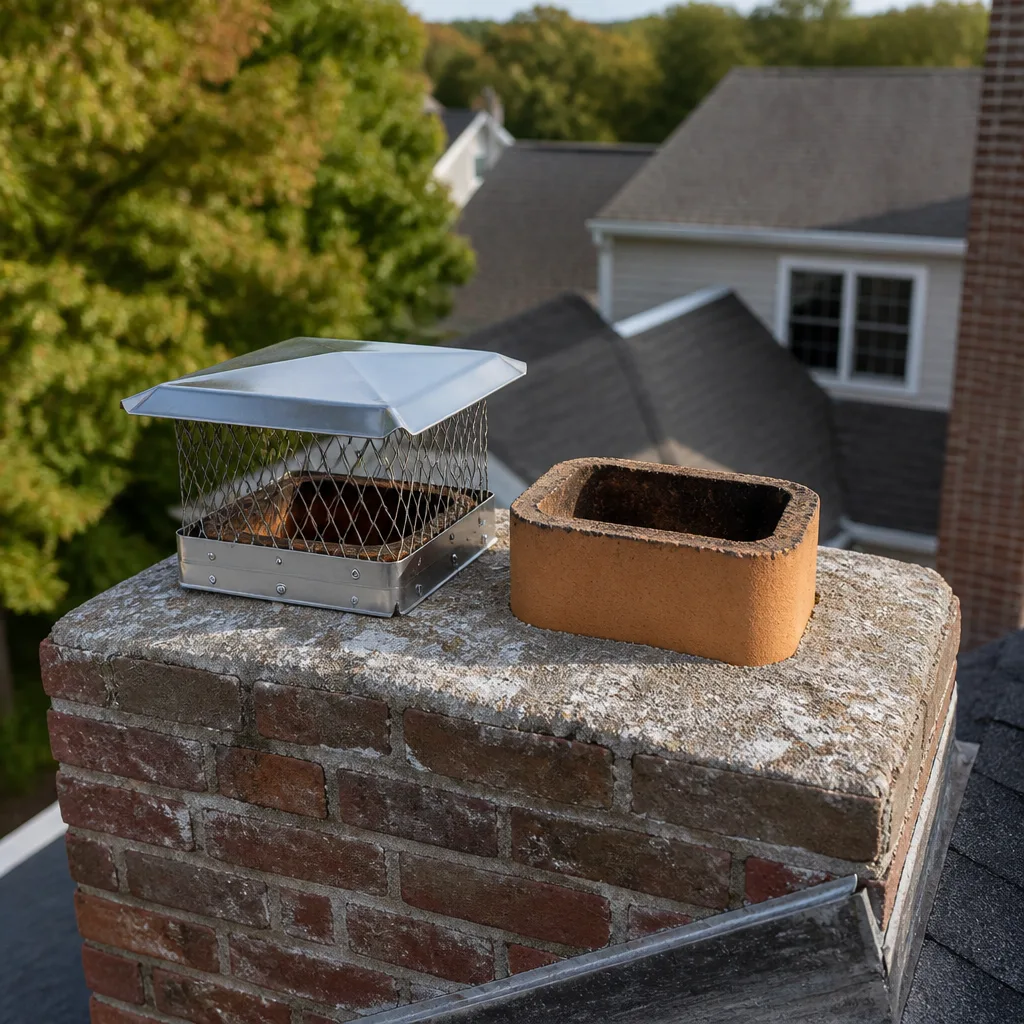 Sweep & inspection
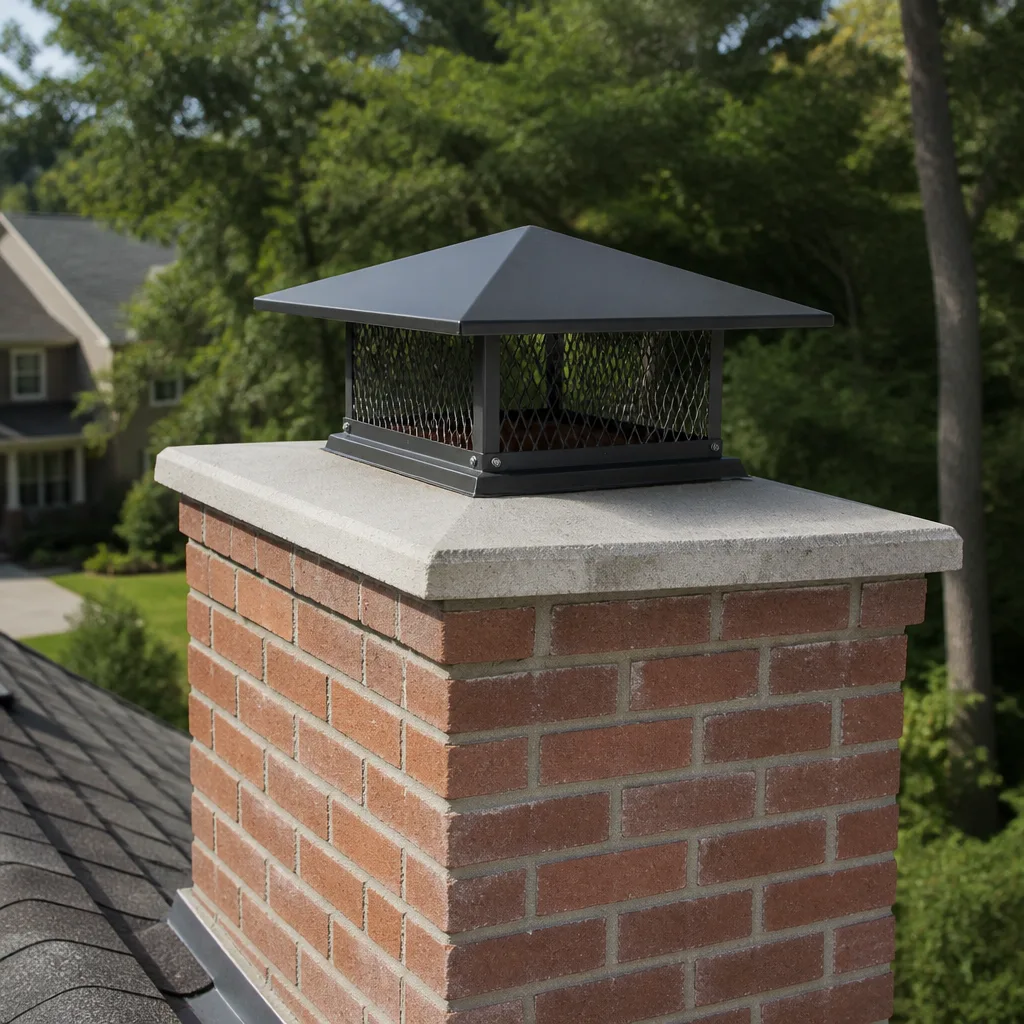 Caps & crowns
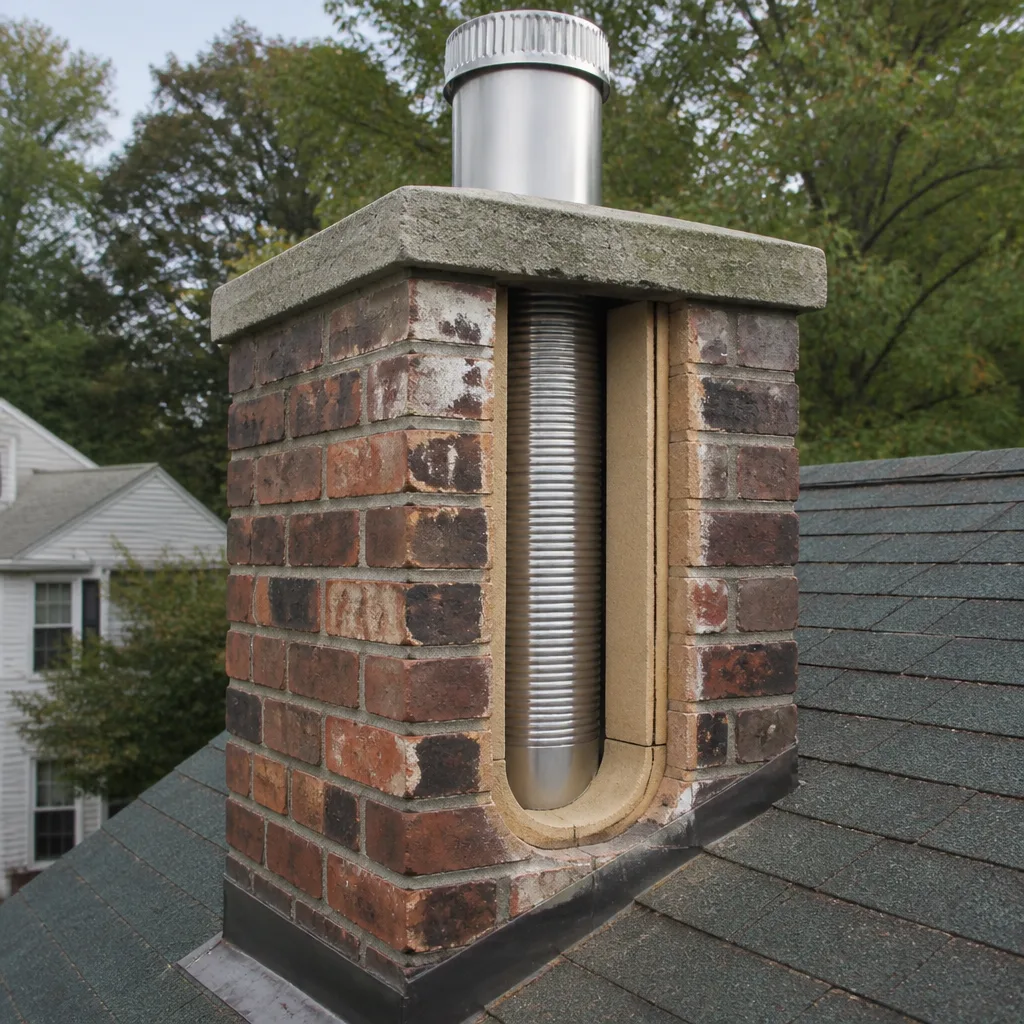 Flue relining
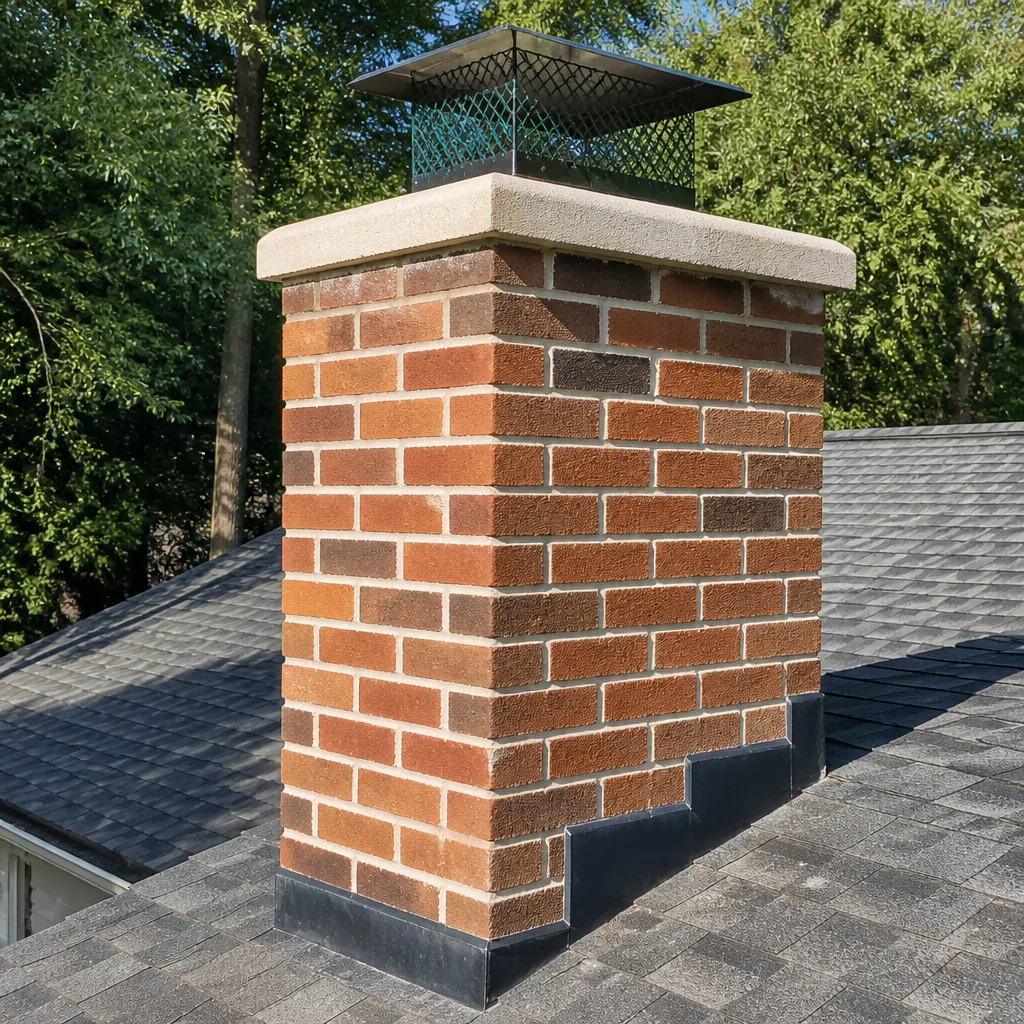 Masonry repair
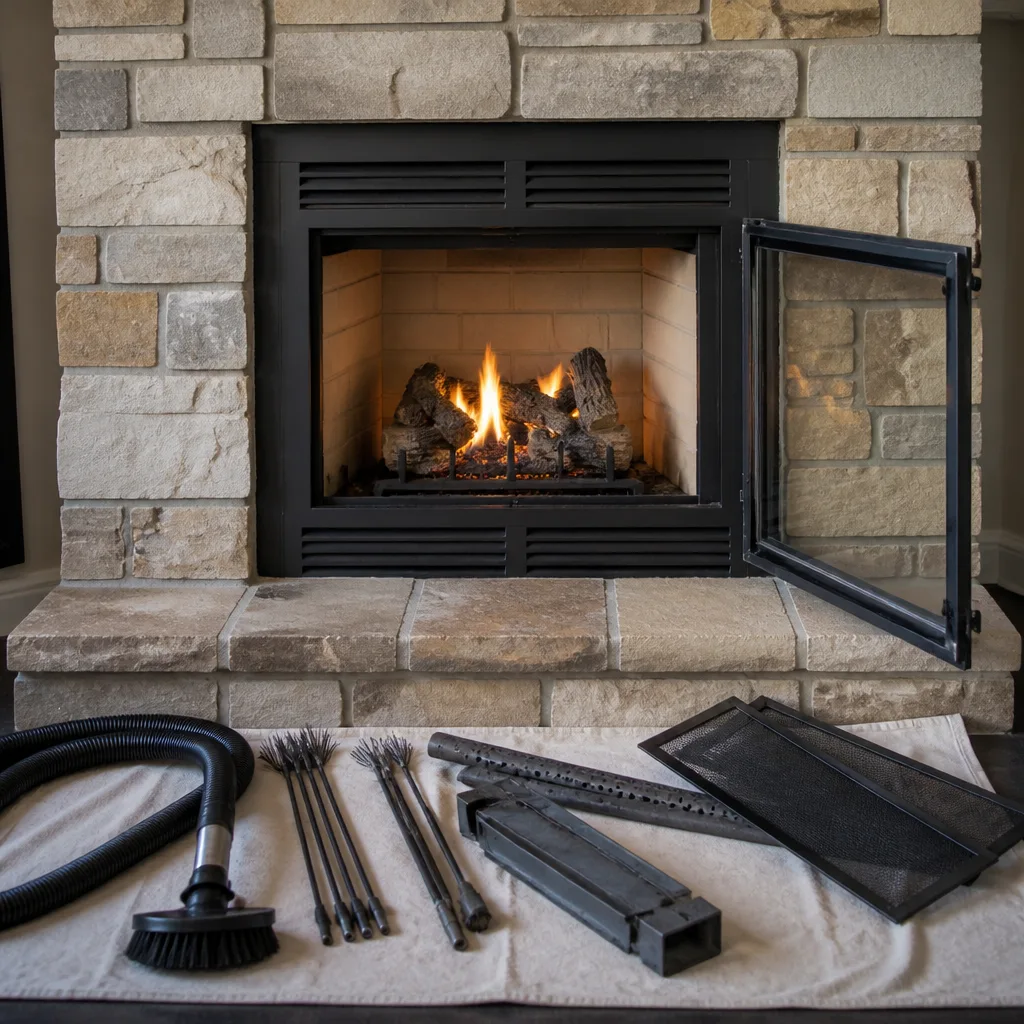 Gas fireplace service
Level 1 sweep and inspection to the NFPA 211 annual standard - flue, crown, cap, and flashing checked and photographed
Chimney sweep logs do not sweep chimneys. They loosen some creosote - which then falls where a brush and vacuum still have to collect it.
How to Hire a Chimney Cleaning Contractor in Sandy: A Step-by-Step Guide
Ask a chimney contractor in Utah if they’re licensed and you’ll almost always hear yes. That answer tells you very little. Utah’s contractor licensing system doesn’t require chimney-specific certification, which means a general handyman with a brush kit can hold the same piece of paper as a specialist who’s spent years studying liner systems and combustion safety. So the question that actually matters isn’t “are you licensed” – it’s “what do you actually do, and how do you prove it?” This guide walks through the specific vetting steps Sandy homeowners can use to tell a full-scope chimney specialist apart from a generalist add-on, and how to read an estimate, an inspection report, and a sales pitch without getting played.
Quick Answer
To hire a chimney cleaning contractor in Sandy, verify third-party credentials first (CSIA certification and NFI credentials are the real benchmarks, not a state license alone), then ask five phone questions that reveal whether the company handles the full chimney system or just sweeps, then insist on a written estimate that names specific materials and warranty terms. A legitimate contractor welcomes a Level 2 inspection report and lets you review camera footage yourself. One who resists any of that is telling you something.
Styles & brands we work with
- Sweep & inspection
- Caps & crowns
- Flue relining
- Masonry repair
- Gas fireplace service
Table of Contents
- Why “Are You Licensed?” Is the Wrong First Question in Sandy
- The Credentials That Actually Matter: CSIA and NFI
- Five Phone Questions That Reveal a Specialist
- Red Flags in Chimney Contractor Sales Tactics
- What a Written Estimate Should Include
- How to Use a Level 2 Inspection Report as a Trust Benchmark
- Sandy-Specific Hiring Considerations
- A Step-by-Step Vetting Checklist
Why “Are You Licensed?” Is the Wrong First Question in Sandy
Utah requires contractors to be licensed for certain scopes of work, but chimney sweeping and chimney repair don’t sit neatly inside a single licensing category that guarantees chimney-specific competence. In practice, that means the license check alone can’t separate a specialist from a generalist. A home-services company that mostly does gutters and pressure washing can add “chimney sweep” to its service list and still pass a basic license lookup.
The reason this matters more in Sandy than homeowners expect comes down to housing stock and how people use their fireplaces. Sandy sits at the base of the Wasatch Range, where winter inversions trap cold air in the valley and many households burn wood as a secondary heat source through January and February. Heavier burning loads mean more creosote accumulation, and creosote is the fuel source behind most chimney fires. A sweep who only brushes the flue and never looks at the crown, the liner joints, or the firebox is doing half the job. The other half is where the real risk lives.
What the license question does tell you: the contractor has some legal standing to operate and carry insurance. That’s a floor, not a ceiling. The next two sections cover what actually distinguishes a chimney specialist from an add-on service – and how to verify it before you ever book a sweep in Sandy.
The Credentials That Actually Matter: CSIA and NFI
The two credentials worth verifying in this trade are CSIA certification (Chimney Safety Institute of America) and NFI certification (National Fireplace Institute). Both are voluntary, both require testing and continuing education, and both are specific to chimney and venting work in a way that a general contractor license is not.
Here’s how to check them before you call:
- Look up the company on the CSIA directory. The CSIA maintains a searchable list of certified sweeps. If a company claims certification, the individual technician’s name should appear there.
- Ask which specific technicians hold the certification. A company-wide claim is fine, but you want to know the person arriving at your Sandy home is credentialed, not the office manager.
- Confirm the NFI credential if you have a wood stove or gas insert. NFI has separate certifications by fuel type, so ask which one applies to your appliance.
- Ask about continuing education. CSIA certification requires renewal, and a serious specialist can tell you when they last recertified.
What these credentials can’t tell you is whether the company does the full scope of work. A CSIA-certified sweep may still only sweep and inspect, referring out repair work to someone else. That’s fine if you want a sweep, less fine if you discover a cracked crown or a failing liner joint mid-inspection and now you’re coordinating between two contractors. Our technicians have up to 9 years of experience, and the credential question is where that experience either shows or doesn’t.
Five Phone Questions That Reveal a Specialist
You can learn a lot in a five-minute phone call. These five questions are designed so a generalist stumble and a specialist answers cleanly. Ask them before you book.
- “Who does your repairs, and what do you use?” A specialist names materials. A generalist says “we can fix that.” We work with HeatShield ceramic resurfacing for liner restoration and DuraFlex flexible liner systems for complex configurations, and if you ask a real specialist this question you’ll get that kind of specificity.
- “Do you offer inspections as a standalone service?” A specialist says yes, and it’s priced and documented. A company that only offers a “free inspection” tied to a sweep is using the inspection as a sales hook.
- “What levels of inspection do you perform?” A serious contractor knows the difference between a Level 1 (visual check during a routine sweep) and a Level 2 (camera inspection, often required for a home sale or after a chimney fire). If they don’t know what you mean by “levels,” that’s the answer.
- “Can I see the camera footage?” A specialist records the inspection and walks you through what the camera saw. If they can’t show you, they can’t prove they found what they found.
- “What’s your written estimate process?” A specialist puts the estimate in writing with scope, materials, and warranty terms. A generalist quotes a number over the phone and adjusts once they’re on the roof.
That fifth question is where the Sandy homeowner wins or loses. A written estimate you can read before work begins is your leverage. Without it, you’re trusting a conversation.
Red Flags in Chimney Contractor Sales Tactics
Chimney work is one of the few trades where the customer can’t fully see the problem. That asymmetry creates room for sales pressure, and it shows up in predictable forms. Here’s what to watch for on a first visit.
- Scare-quote findings on a first sweep. “Your flue is one burn away from a fire” without a photo, a camera walk-through, or a written report is a sales line, not a diagnosis. If the finding is real, the contractor should be able to show you.
- Pressure to approve a liner replacement on the spot. A liner replacement is significant work. A legitimate contractor will document why it’s needed – cracked tiles, gaps in an old liner, failed joints – and give you time to review the report. HeatShield ceramic resurfacing can restore a liner in qualifying chimneys, which is often cheaper than a full reline, but only a contractor who actually offers that option can present it.
- Camera footage you can’t review yourself. If a contractor describes what the camera saw but won’t let you see the footage, question the finding. A specialist hands you the video.
- A free inspection that becomes a quote sheet in five minutes. Inspections take time. A five-minute “free look” is a pretext.
- Vague materials language. If the estimate says “new liner” without naming the product, you don’t know what you’re buying. We specify materials by brand and grade for a reason – it lets you verify.
- No written warranty terms. Labor warranty, material warranty, and who handles a call-back should all be in the estimate.
These aren’t hypothetical. In our experience, the homeowners who come to us for a second opinion after a scare-quote estimate almost always find the work wasn’t as urgent as first described. A Sandy Chimney Sweep inspection gives you a clean baseline, and if the chimney is fine, we say so.
What a Written Estimate Should Include
A written estimate is your protection against scope creep and material substitution. The next time you ask for one, compare it against this list:
- Scope of work, described specifically. “Sweep flue and inspect firebox” is fine for a routine chimney sweep. “Repair chimney” is not a scope – it’s a placeholder.
- Materials named by brand and grade. If a liner is being installed, the estimate should say which liner system. DuraFlex flexible liners, Olympia Chimney components, and Gelco products are the kinds of materials a specialist specifies by name, because they’re what the trade actually uses.
- Warranty terms. Labor warranty duration, material warranty from the manufacturer, and how a warranty call is handled.
- Pricing per job, not per hour. Chimney work is estimated by scope. An hourly estimate on a chimney repair is a blank check.
- Payment terms and schedule. No deposit demands before the estimate is signed, and a clear schedule for when work begins.
A vague estimate signals that the contractor doesn’t know yet what they’ll find – which is sometimes true – but a professional handles that with a clear diagnostic step, not a hand-wave. Our estimates are free and set the price per job in writing before any work starts, so the number you agree to is the number you pay.
How to Use a Level 2 Inspection Report as a Trust Benchmark
A Level 2 inspection is the most thorough routine inspection in the trade. It includes a camera inspection of the flue interior, a check of accessible portions of the chimney exterior and interior, and documentation of what was found. It’s often required for a home sale, after a chimney fire, or when you change the type of fuel or appliance connected to the chimney.
Here’s the trust test: how does the contractor respond when you tell them the findings will be reviewed by your real estate agent, your insurer, or a second contractor?
A legitimate specialist welcomes that. The report should stand on its own – photos, camera footage, a clear description of each finding, and a recommendation tied to what the documentation shows. If the contractor gets defensive, discourages the second opinion, or says “you don’t need that,” you’ve learned something important.
We offer formal chimney inspections as a standalone service, and the report you receive is the kind you can hand to your insurer or your buyer without editing. If a finding needs repair, we tell you what the camera showed and what we’d do about it – a cracked crown, for example, lets water into the chimney structure, and the fix involves sealing it with a specific product, not a can of caulk. Our chimney cap & crown work is documented the same way, so you can see what was installed and where.
If the inspection turns up liner damage, the next question is whether you need a full reline or whether HeatShield ceramic resurfacing can restore the liner instead. We can answer that with the footage in front of you. That’s the standard we’d want applied to our own homes in Sandy.
Sandy-Specific Hiring Considerations
Some of the hiring logic shifts based on where the chimney is. Sandy’s housing runs the range from older homes near the historic district with masonry chimneys built decades ago to newer construction in the eastern foothills with prefabricated metal fireplace systems. Those two chimney types need very different specialists.
Masonry chimneys – brick and mortar – are where crowns crack, mortar joints fail, and liners degrade from the inside out. The freeze-thaw cycle along the Wasatch Front is hard on masonry. Water gets into a hairline crack in the crown, freezes overnight, expands, and the crack grows. That’s a repair problem, and it needs a contractor who does crown work, not just sweeping. Prefabricated metal fireplaces are more common in newer Sandy homes and have their own failure points: warped liner sections, failed gaskets, and venting that has to match the appliance. A sweep-only company can handle routine cleaning on these; repair work is a different animal.
The other Sandy-specific piece is how the fireplace is used. In our experience, many households along the valley floor run the fireplace heavily through the burn season, which means creosote builds faster than the once-a-year sweep rule would suggest. A good contractor will ask how much you burn and recommend a sweeping schedule based on that, not a calendar. If you’re reactivating a fireplace that’s been unused for a few seasons, don’t skip the inspection – a chimney that sat idle can have animal nests, cracked tiles, or water damage that a sweep alone won’t find.
Finally, the chimney cap question. A cap that’s missing or damaged lets water, birds, and debris into the flue. When we quote a cap installation or a crown repair, the estimate names the material (Famco and Copperfield components are the kinds we use) and the warranty. A vague quote here is a sign that the contractor is shopping your job out.
A Step-by-Step Vetting Checklist
Put the whole hiring process in order. This is the sequence we’d follow ourselves:
- Check CSIA and NFI directories. Before you call, verify the technician names on the company’s website actually appear in the certification directories.
- Ask the five phone questions. Materials, standalone inspections, inspection levels, camera access, written estimate process.
- Request a Level 2 inspection quote separately from the sweep. If a company only quotes the “package deal,” that’s your answer.
- Read the written estimate for specifics. Scope, materials by brand, warranty, pricing per job.
- Ask for the camera footage. If you can’t see it, question the finding.
- Get a second opinion on any major repair. A liner replacement or structural repair is a big decision; a legitimate contractor won’t object.
- Confirm the schedule and payment terms. Work is booked, not dispatched on demand, and payment happens after the written estimate is agreed.
If a company passes all seven, you’ve found a specialist. If it fails any one, keep looking. The work is too consequential to gamble on the cheapest quote.
Common Mistakes to Avoid
- Treating price as the primary filter. A $79 sweep and a $200 sweep aren’t the same service. The cheap one usually skips the crown, the firebox, and the camera. You’re not buying a sweep; you’re buying a diagnosis.
- Accepting “free inspection” without asking what’s included. A free inspection is a sales format. A priced, documented inspection is a service. The difference shows up when a finding is contested.
- Skipping the CSIA lookup because the technician was friendly. Friendliness doesn’t show up on a certification directory. Check the directory.
- Approving a liner replacement without seeing the footage. If the liner is genuinely failed, the camera proves it. If it isn’t, the camera also proves it.
- Using a general home-services company for chimney repair. Sweeping is one skill; repair is another. A contractor who does gutters, windows, and chimney work is spread thin across all three.
- Waiting until the first cold snap to book. Sandy’s burn season starts fast, and the well-vetted contractors fill their schedules. Book the inspection before you need the fireplace, not after.
- Ignoring the crown and cap. The most common water damage we see starts at the top of the chimney. A missing cap or cracked crown is a slow leak that becomes a structural repair.
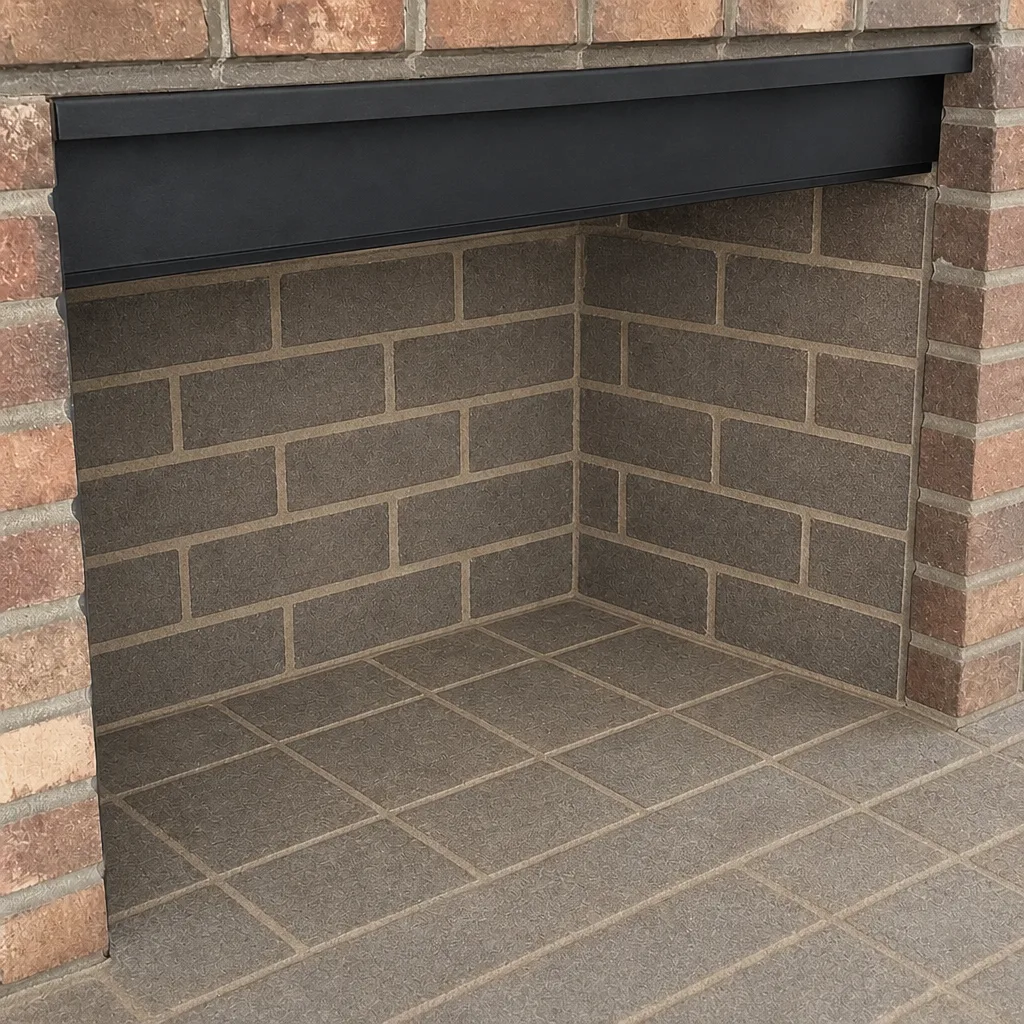
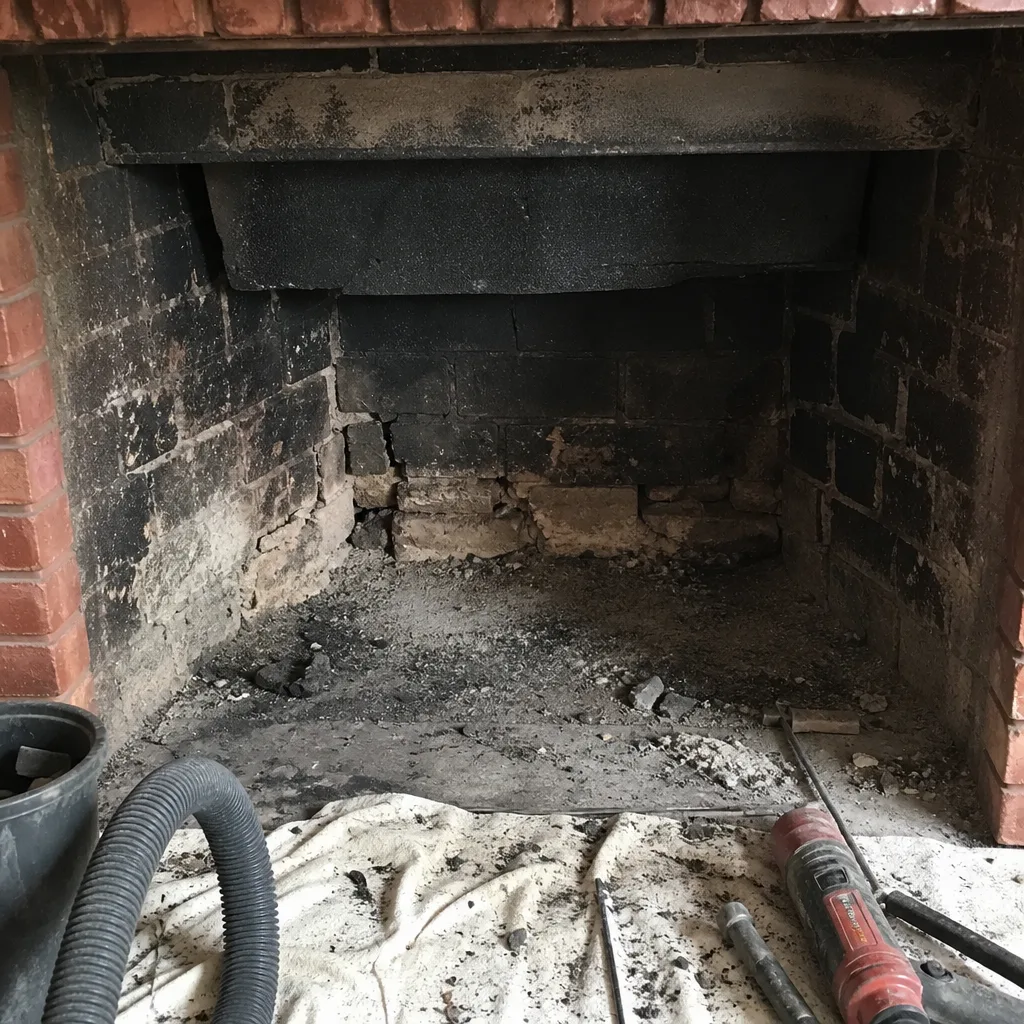
See the difference
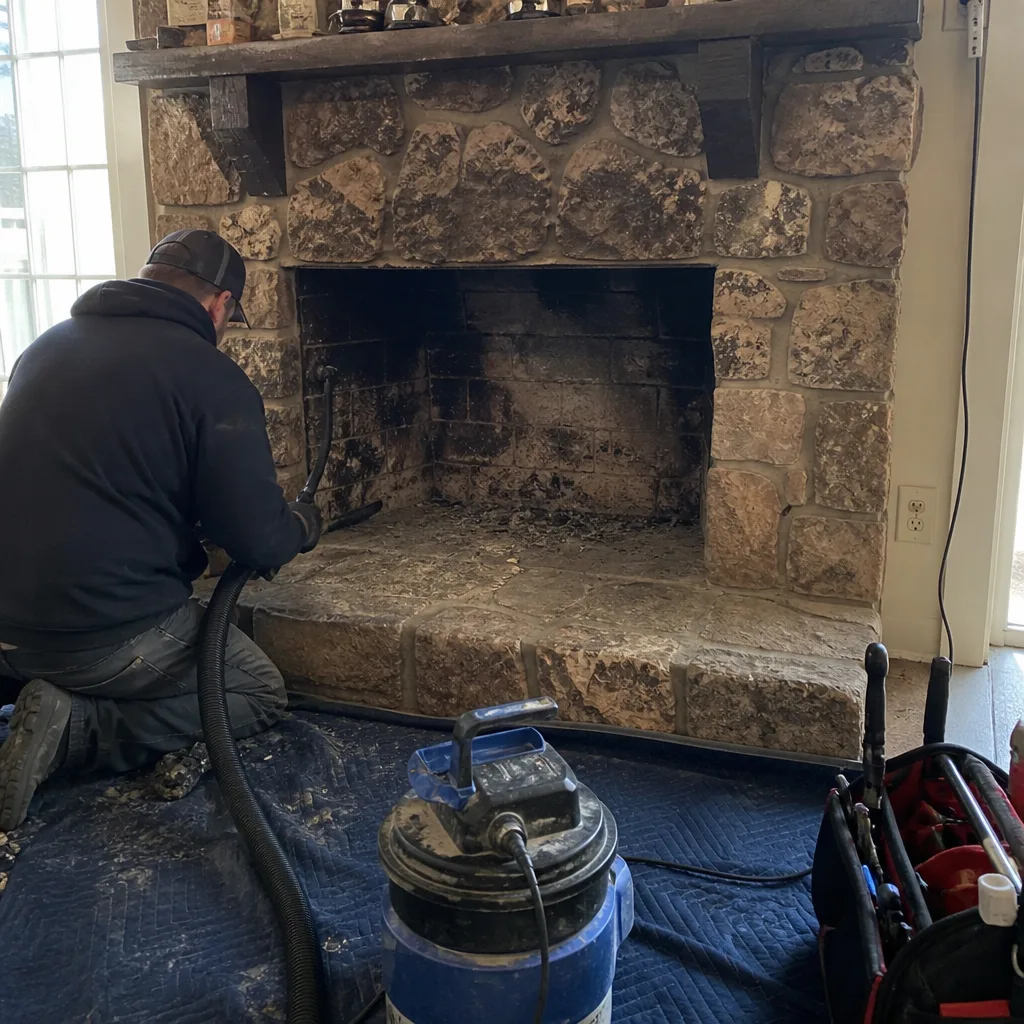 Before
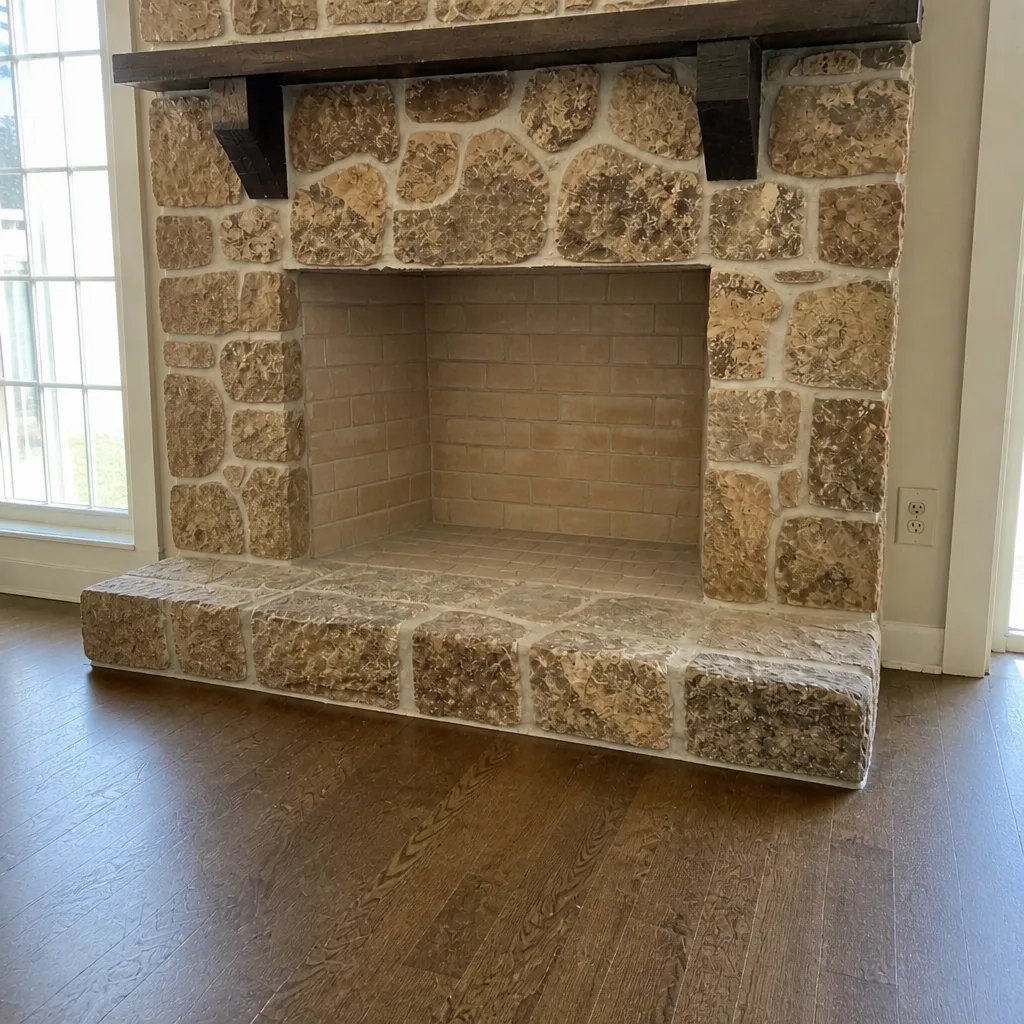 After
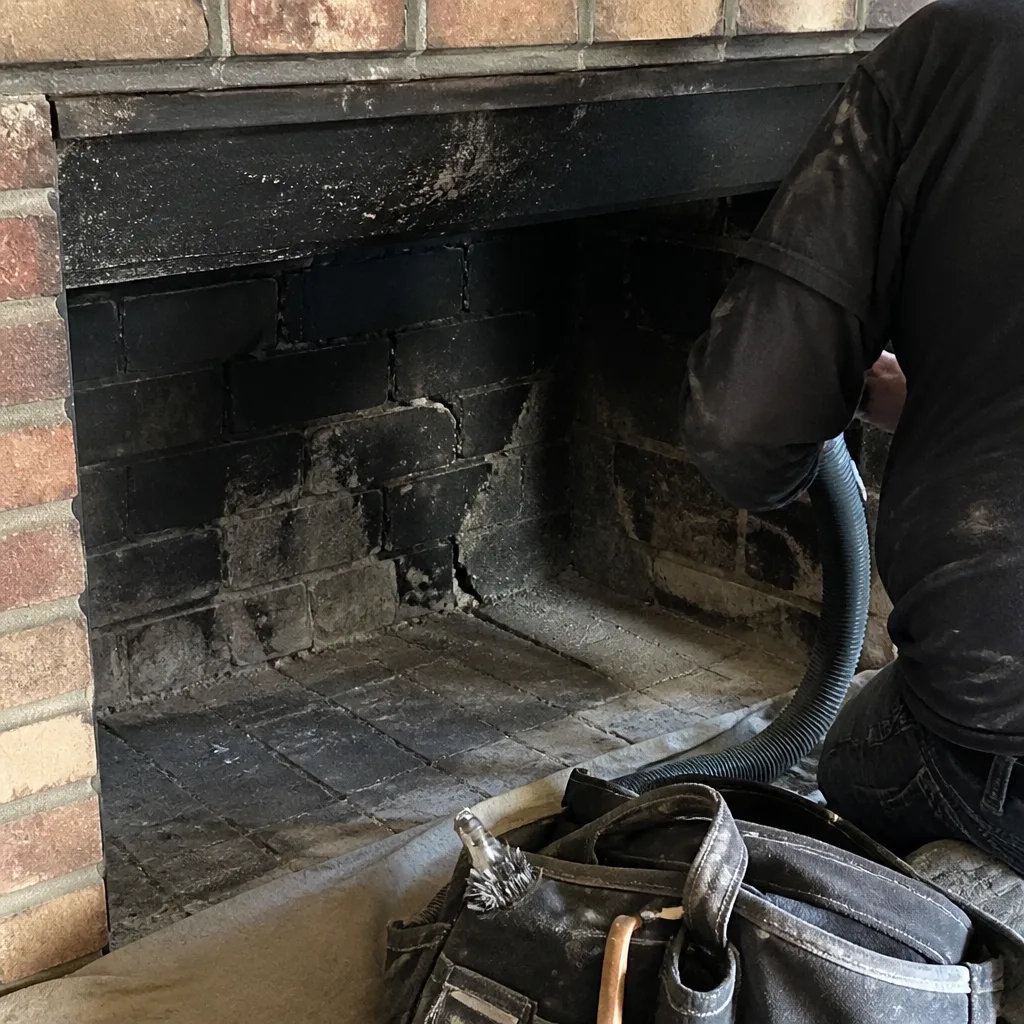 Before
 After
 Before
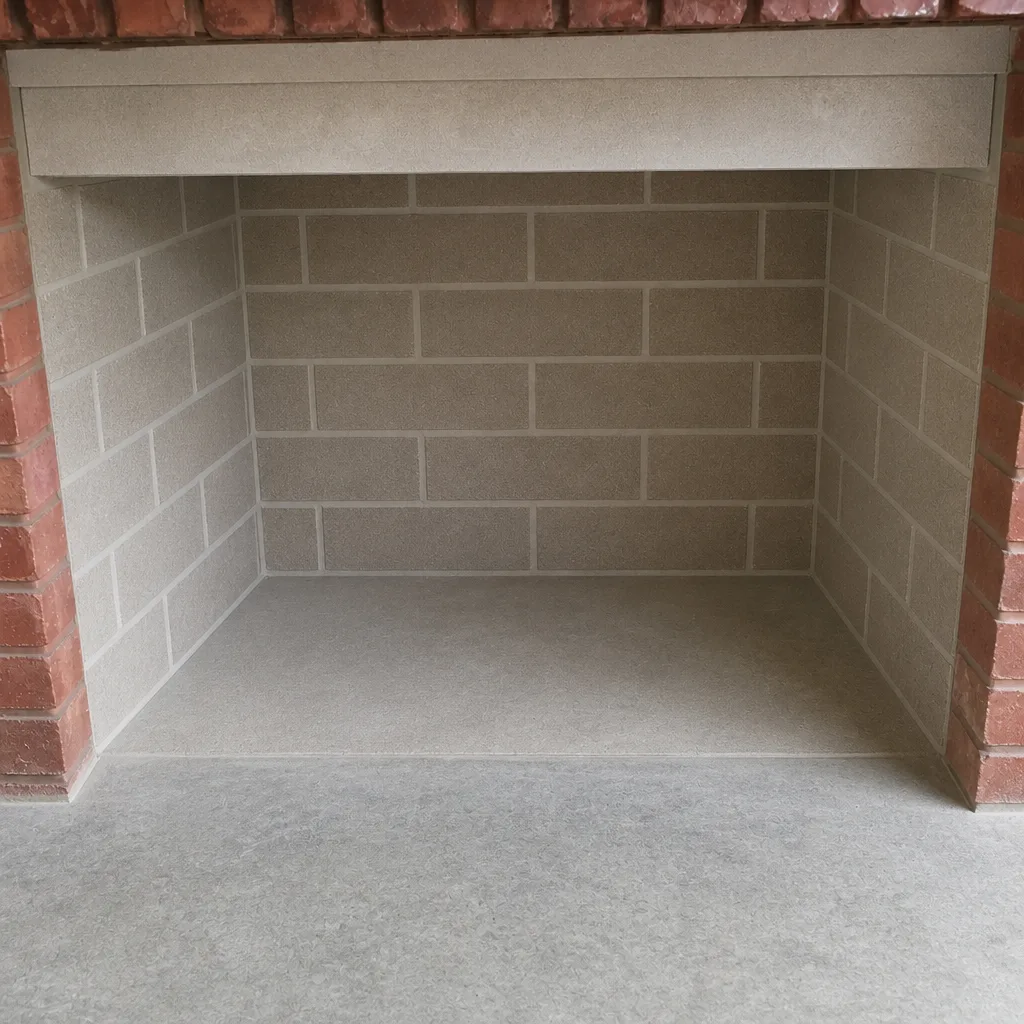 After
When to Call a Professional
Call a professional when the problem is structural, not cosmetic. A cracked crown, a failed liner joint, a chimney that smells like creosote even when it’s not in use, a firebox with cracked brick or loose mortar, or a fireplace that hasn’t been inspected since before you bought the house. Also call if you’ve had a chimney fire – even a small one – because the damage is rarely visible from the flue opening. And call if you’re reactivating a fireplace after years of non-use; a quick inspection catches most of what would otherwise become a spring repair.
What you don’t need to call for: routine sweeping if you haven’t burned at all this season, or a cosmetic patch on a firebox. If you’re not sure, ask. Sandy Chimney Sweep offers free estimates in Sandy – call (855) 658-5256 to book an inspection or a sweep. We answer 24/7. Fast dispatch from 7am to 7pm, Sunday through Friday.
Frequently Asked Questions
A typical chimney sweep in Sandy runs in the $150-$300 range, depending on the chimney type and how much creosote has built up, with a separate charge for a Level 2 inspection with camera. Our pricing is set per job by the written estimate, so the number you agree to is the number you pay. Call (855) 658-5256 for a free estimate.
Only if you’re buying or selling the home, changing the appliance or fuel type, or haven’t had one in several seasons. For a routine annual sweep on a chimney you know, a Level 1 visual check is usually enough. If you’re reactivating a fireplace after years of non-use, get the Level 2 – the camera finds what the eye can’t. Call (855) 658-5256 to talk through which inspection fits your situation.
Once a year is the trade standard, but if you burn heavily through the winter, twice a year isn’t unusual in Sandy. Creosote accumulates faster with heavy use, and the Wasatch Front burn season runs long enough that many households hit the “sweep again” threshold mid-winter. Call (855) 658-5256 and we’ll help you set a realistic schedule based on your burning habits.
Creosote builds up on the flue walls and becomes the fuel for a chimney fire. A skipped sweep in a heavily used Sandy chimney doesn’t guarantee a fire, but it raises the risk and makes any fire that does start harder to control. It also lets small problems – a hairline crown crack, a failing mortar joint – grow into structural repairs. Call (855) 658-5256 to book a sweep before the next burn season.
You need a new liner when the camera shows cracked tiles, failed joints, or gaps that let combustion gases escape into the chimney structure. You may not need one if the damage is limited enough for HeatShield ceramic resurfacing to restore it. The way to tell is to ask for the camera footage and review it yourself. We won’t recommend a reline without the footage to back it up. Call (855) 658-5256 for a documented inspection.
A sweep cleans the flue. A specialist handles the full system – sweeping, inspection, cap and crown work, fireplace repair, and structural chimney repair – so you don’t have to coordinate between contractors when a sweep turns up a repair. Sandy Chimney Sweep is a full-scope chimney specialist with formal inspections as a standalone service. Call (855) 658-5256 to book one.
The Bottom Line
Hiring a chimney contractor in Sandy is a verification exercise, not a price comparison. Check CSIA and NFI credentials in the directories before you call. Ask the five questions that separate a specialist from a generalist. Insist on a written estimate with materials named by brand and warranty terms spelled out. Use a Level 2 inspection report as your trust benchmark – a legitimate contractor welcomes the second opinion, and one who resists is telling you what you need to know. The right specialist costs a little more and delivers a lot more, because the work they do is the work that keeps your chimney safe through the burn season.
Ready to work with a specialist? Call (855) 658-5256 for a free estimate. We answer 24/7. Fast dispatch from 7am to 7pm, Sunday through Friday. We inspect it, we explain it, we fix it right – from the firebox to the crown.
Written by the team at Sandy Chimney Sweep.